![GreenPort[PortStrategy]](https://www.portstrategy.com/greenport/wp-content/uploads/sites/4/2026/09/GreenPortPortStrategy.svg)




Biofuel development
PETRONAS, Eni and Euglena are studying the possibility of developing and operating a biorefinery in Southeast Asia to cater for multiple markets, including marine.
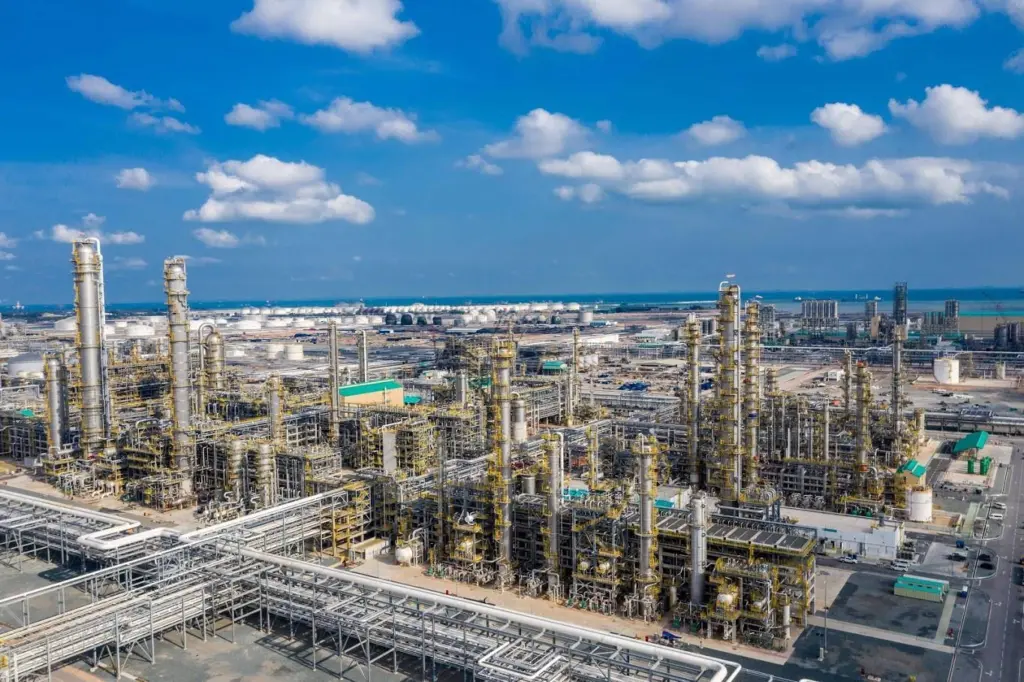
To be located adjacent to PETRONAS’ existing integrated refinery and petrochemical facilities at Pengerang Integrated Complex (PIC), the complex is looking to cater for the rising demand for sustainable solutions worldwide.
“As PETRONAS continues to chart its course into the biofuels space, decarbonising and diversifying its production portfolio to cater for the rising global demand for sustainable solutions, this collaboration is momentous to unlock the partners’ respective strengths and jointly strengthen our position in the field of biofuels in Malaysia and around the world,” said Ahmad Adly Alias, vice president, refining, marketing and trading PETRONAS.
Maximising production
The biorefinery is expected to have a flexible configuration to maximise the production of Sustainable Aviation Fuel (SAF) for aircraft, as well as Hydrogenated Vegetable Oil (HVO) for on-road vehicles, diesel-powered trains and marine transportation.
It’s expected to have the capability to process about 650,000 tonnes per year of raw materials to produce up to 12,500 barrels per day of SAF, HVO and bio-naphtha.
PETRONAS said that the raw materials to be used will not compete with those in the food chain such as used vegetable oils, animal fats, waste from the processing of vegetable oils and other biomass including microalgae oils to be explored in the mid-term.
The planned biorefinery will use the Honeywell UOP’s Ecofining process which was developed by Eni in cooperation with Honeywell UOP.
The three parties are currently carrying out technical and economic feasibility assessments for the proposed project, with the investment decision expected to be reached by 2023 and the plant targeted to be completed by 2025.
Related Articles
 ALTERNATIVE FUELS GREENPORT
 ALTERNATIVE FUELS GREENPORT
 ALTERNATIVE FUELS GREENPORT