![GreenPort[PortStrategy]](https://www.portstrategy.com/greenport/wp-content/uploads/sites/4/2026/09/GreenPortPortStrategy.svg)

Busan targets greener bunkering
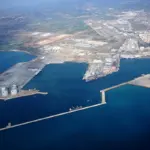
There are plans to develop LNG bunkering and methanol bunkering infrastructure at Busan New Port by 2032 to support maritime energy transition goals.
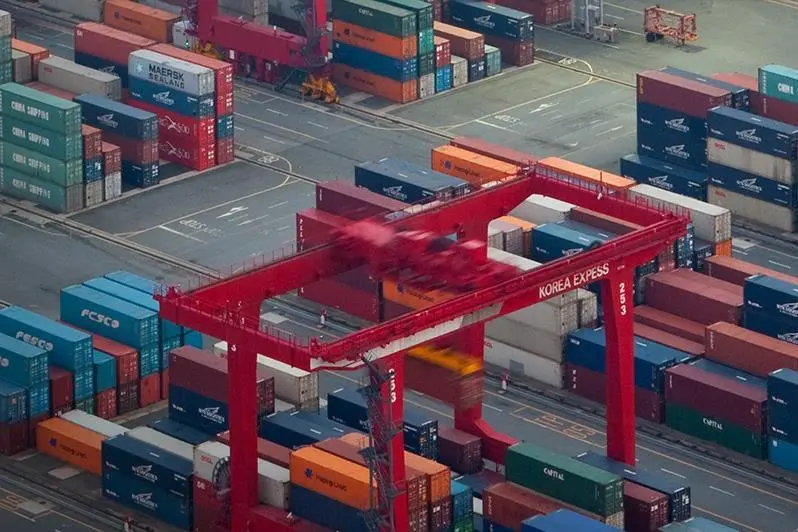
The proposed project includes construction of a 370,000m³ LNG storage tank, a 150,000m³ green methanol storage tank and dedicated berth facilities for ship-to-ship bunkering operations across a 123,000m² site within the port.
It’s a development intended to further strengthen Busan’s position as a regional hub for alternative marine fuels and expand eco-friendly port infrastructure.
Pushing ahead
Busan Port Authority recently met with experts from industry, academia, research institutes and local government to review the plans and gather recommendations ahead of the next project stages.
The authority said it would incorporate the feedback into its business plans while accelerating preliminary feasibility reviews and follow-up procedures linked to the energy transition project.
Expansion of LNG bunkering and methanol bunkering capabilities forms part of South Korea’s wider strategy to strengthen low-carbon maritime operations and improve competitiveness in sustainable shipping markets.
Busan Port has increasingly focused on alternative fuel infrastructure as demand grows for cleaner marine energy solutions across global shipping networks.
South Korea conducted its first simultaneous ship-to-ship methanol bunkering operations at Busan New Port in October 2024, marking a milestone for the country’s alternative fuel sector.
At the time, the country said the development of advanced bunkering infrastructure and technology would help position Busan as a leading global green port.
The latest investment plans further reinforce Busan Port’s ambitions to support future-ready port infrastructure and accelerate maritime decarbonisation initiatives in Northeast Asia.
Related Articles
 ALTERNATIVE FUELS GREENPORT
 ALTERNATIVE FUELS GREENPORT
 ALTERNATIVE FUELS GREENPORT