![GreenPort[PortStrategy]](https://www.portstrategy.com/greenport/wp-content/uploads/sites/4/2026/09/GreenPortPortStrategy.svg)
Designing the pusher tug of the future
Logistics subsidiary, thyssenkrupp Veerhaven is planning the pusher tug of the future to help rid inland waterways of fossil fuel pollutants.
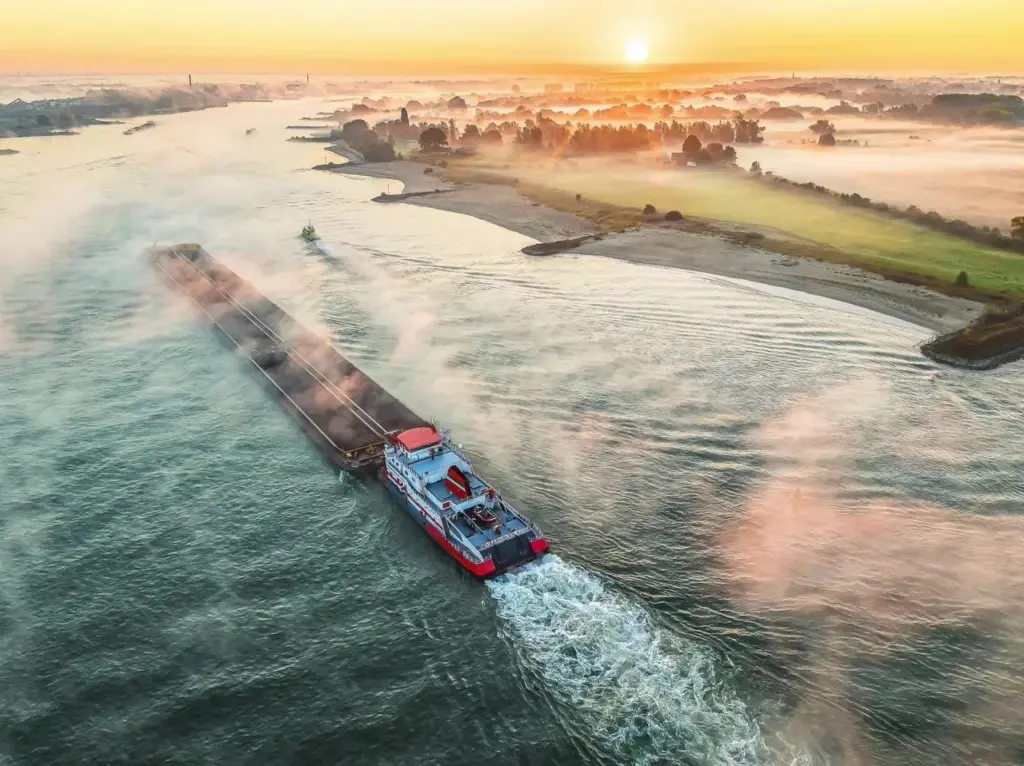
Part of thyssenkrupp Steel Europe, the company has commissioned C-Job Naval Architects and Kooiman Marine Group to draw up designs for a methanol-fuelled pusher tug to replace the existing seven in thyssenkrupp Veerhaven’s fleet.
“In this challenging area of inland waterway shipping, there are currently no vessels that run on environmentally friendly fuels such as methanol,” said thyssenkrupp Veerhaven chief executive, Frank Tazelaar.
“We intend to play a pioneering role and, with our planned fleet modernisation, we are laying the foundation for innovative technologies that will significantly reduce our carbon footprint.”
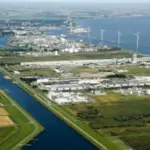
The seven pusher tugs operated by thyssenkrupp Veerhaven ply a route between Europoort Rotterdam and the Ruhr area, transporting around 18 million tonnes of raw materials for the iron and steel plants.
The plans to use methanol as a fuel could save around 80% of current CO2 emissions, compared to the fossil fuel diesel. To mitigate the low summer levels of the Rhine caused by climate change, the design will also feature a low draught.
The design offices have been asked to prepare three separate designs which include reference vessels as well as low-water push boats with Stage V propulsion and methanol-capable variants.
Once received, thyssenkrupp Veerhaven will evaluate each design’s technological and economic feasibility before making the final choice.
Related Articles
 ALTERNATIVE FUELS GREENPORT
 ALTERNATIVE FUELS GREENPORT
 ALTERNATIVE FUELS GREENPORT