![GreenPort[PortStrategy]](https://www.portstrategy.com/greenport/wp-content/uploads/sites/4/2026/09/GreenPortPortStrategy.svg)
Europe and Asia collaboration on alternative fuels
The Hamburg Port Authority (HPA) and two major Korean ports have joined forces to promote decarbonisation in shipping through alternative fuels, including ammonia.
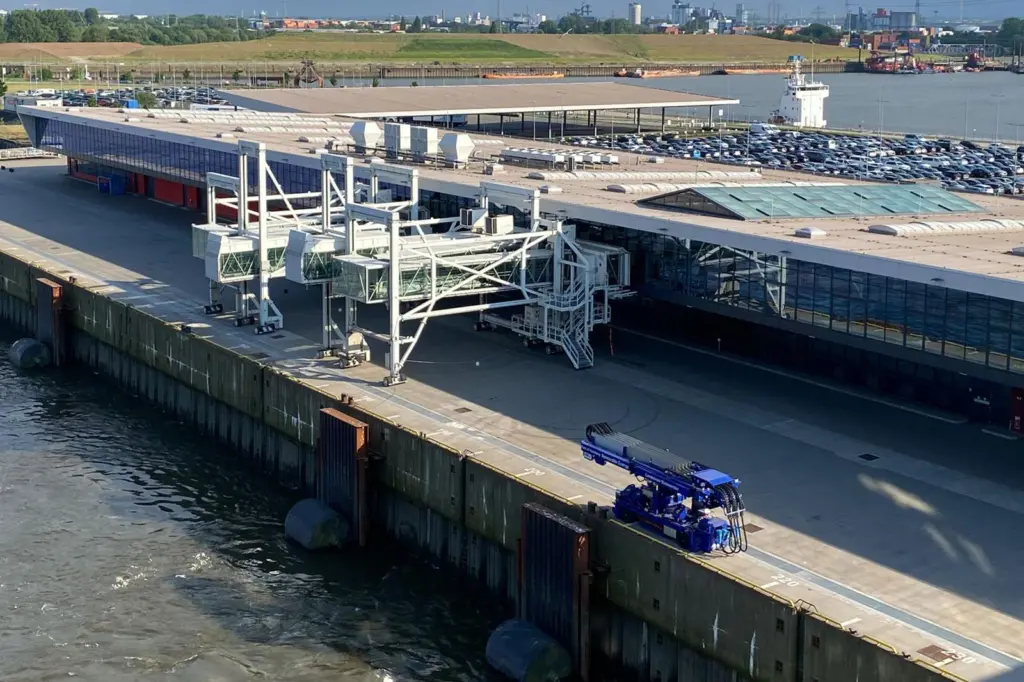
The agreement, signed during a visit by Hamburg’s First Mayor Dr Peter Tschentscher to Korea, aims to foster collaboration with a focus on reducing emissions and enhancing port infrastructure.
“Collaborating with Korea’s largest ports, the Hamburg Port Authority is paving the way for the future of climate-friendly fuels in maritime transport,” said Dr Tschentscher.
“This partnership is crucial in advancing the energy transition and strengthens Hamburg’s position as a leading hydrogen hub in Europe.”
Enhanced cooperation
Key areas of cooperation include the standardisation of low-carbon fuels, improved bunkering procedures, and the adoption of digitalisation processes to support sustainable shipping.
A major focus of the collaboration is the exploration and promotion of non-fossil fuels, such as ammonia, as viable alternatives to traditional maritime fuel.
“Decarbonisation is about more than green ships; it’s about shipping as a transporter of sustainable fuels like ammonia. We are excited to shape this process with our partners in Busan and Ulsan,” said Jens Meier, CEO of the HPA.
He added that the partnership represents a significant step towards cleaner, more sustainable global shipping, with alternative fuels at the forefront of these efforts.
The working relationship between Hamburg and Busan goes back to 2010 when the two ports signed a sister port agreement. Since then, they have been working together on the common challenges of decarbonisation and digitalisation in the port industry.
Ulsan brings into the mix its expertise with the storage, handling and bunkering of green methanol
Related Articles
 ALTERNATIVE FUELS GREENPORT
 ALTERNATIVE FUELS GREENPORT
 ALTERNATIVE FUELS GREENPORT