![GreenPort[PortStrategy]](https://www.portstrategy.com/greenport/wp-content/uploads/sites/4/2026/09/GreenPortPortStrategy.svg)
Germanys green hydrogen production focus
Copenhagen Infrastructure Partners (CIP) and Friesen Elektra Green Energy AG have unveiled a groundbreaking green hydrogen facility near Wilhelmshaven, Germany.
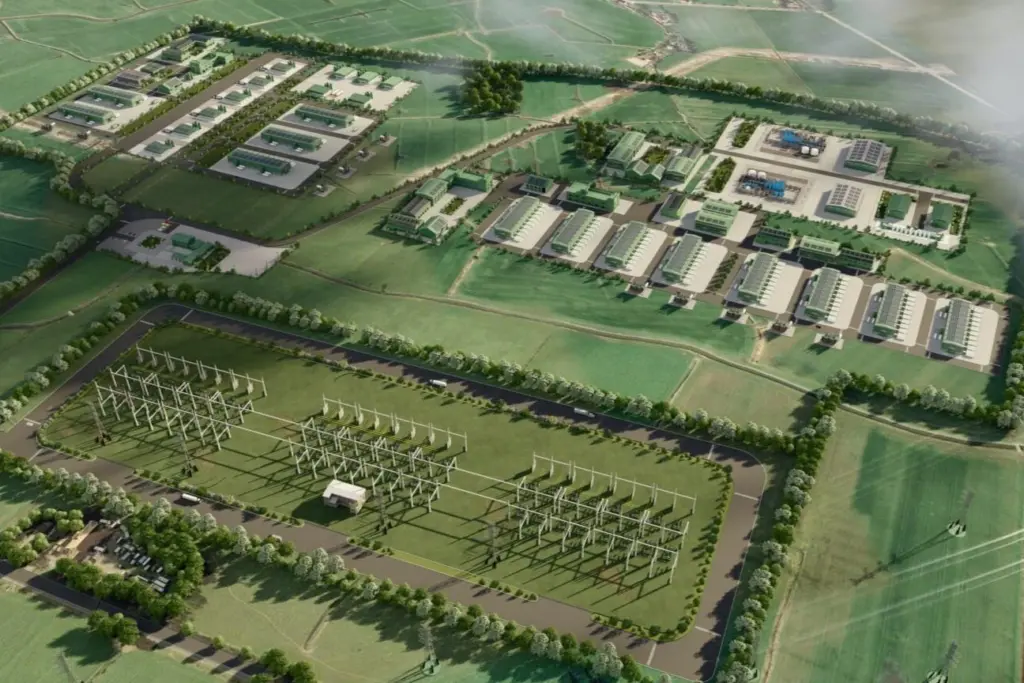
With an initial electrolysis capacity of 400 MW, Project Anker plans to scale to 800 MW, the project will produce 80,000 tonnes of green hydrogen annually.
“Project Anker has the potential to make an important contribution to Germany’s journey towards a carbon-neutral future,” said Felix Pahl, Partner at CIP.
“We remain committed to large-scale renewable infrastructure investments to decarbonise energy-intensive industries.”
Renewable focus
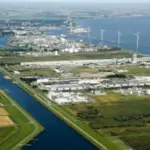
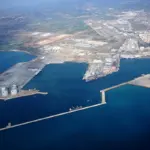
Located strategically near the Port of Wilhelmshaven and JadeWeserPort and the future German hydrogen core network, the facility will support industries such as steel, chemicals and transport.
Powered by renewable energy, including wind and solar, Project Anker aims to replace fossil fuels with alternative fuels, cutting CO₂ emissions by up to 2.4 million tonnes annually.
The initiative also promises economic benefits for Lower Saxony by generating jobs and stimulating the local economy.
Christian Gätje, CFO of Friesen Elektra, added: “This collaboration is a major step towards creating one of Germany’s premier hydrogen production sites. Together, we aim to accelerate the energy transition.”
CIP’s Energy Transition Fund I, which has been called the world’s largest green hydrogen fund, is backing the project, indicating the pivotal role of green hydrogen in setting a benchmark for eco-friendly industrial transformation.
Related Articles
 ALTERNATIVE FUELS GREENPORT
 ALTERNATIVE FUELS GREENPORT
 ALTERNATIVE FUELS GREENPORT