




Gijón Port launches BioLNG bunkering
The Musel Energy Hub terminal at the Port of Gijón has launched a new BioLNG fuel supply service for ships and tankers, advancing Spain’s alternative fuels infrastructure.
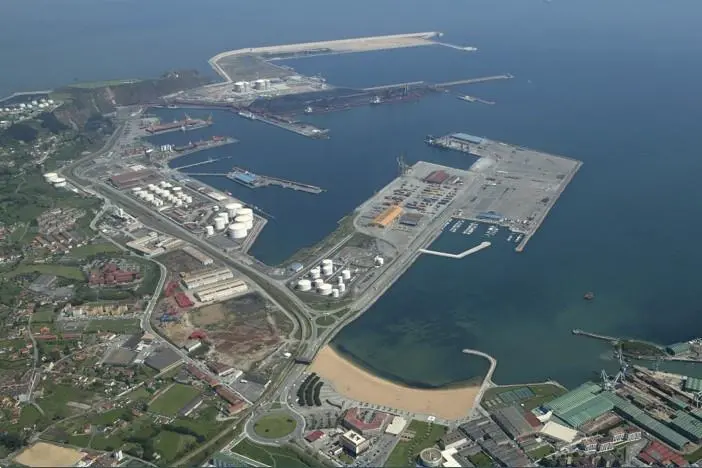
Owned by Enagás (75%) and Reganosa (25%), the Musel Energy Hub will now supply BioLNG, a sustainable liquefied biofuel derived from domestic and industrial organic waste.
The service enables biomethane injected into the gas network to be recognised and delivered as BioLNG through the terminal, supporting the European Union’s decarbonisation and sustainability objectives.
“We’ve reached a new milestone in the development of the Gijón terminal as a multi-molecule plant,” said Antonio Manzano, managing director of Musel Energy Hub.
“This is a clear step forward in our commitment to meet decarbonisation goals while strengthening energy security for Spain and Europe.”
Multi-energy hub
The new BioLNG service marks a key development in port bunkering, an activity that has grown more than tenfold in Spain since 2022.
Between January and September this year, 4.6 TWh of LNG were supplied via Enagás and Reganosa terminals.
“Preparing the regasification plant to supply ships with BioLNG will allow shipping companies operating with dual and adapted engines to refuel in Gijón, thus contributing to the strategic goal of reducing our carbon footprint,” said Nieves Roqueñí, president of the Port Authority of Gijón.
”Having a multi-energy platform to supply European ports and maritime routes and an excellent location in the centre of northern Spain with direct access to the Atlantic provides us with an excellent opportunity to move towards climate neutrality”.
The Port of Gijón is one of the main seaports of the Atlantic Arc and is the leading port for solid bulk movement in Spain.
Related Articles
 ALTERNATIVE FUELS GREENPORT
 ALTERNATIVE FUELS GREENPORT
 ENERGY & TECHNOLOGY GREENPORT