![GreenPort[PortStrategy]](https://www.portstrategy.com/greenport/wp-content/uploads/sites/4/2026/09/GreenPortPortStrategy.svg)
Green fuels hub
Germany is building its first LNG terminal with the aim of diversifying its natural gas supply sources
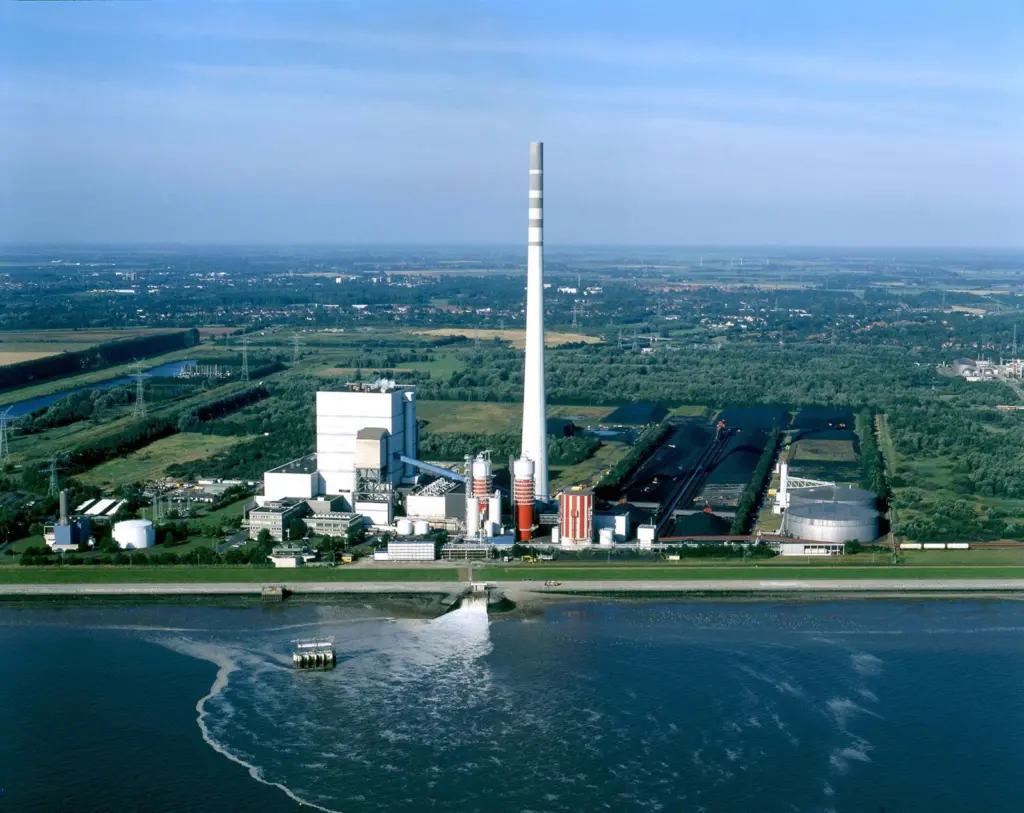
The first pile driving has been set for the terminal which will be built and operated by Uniper, which is investing around €65 million in the project.
”Russia’s war against Ukraine has turned the world we live in upside down – this is especially true for the energy industry. We are doing our utmost to support the German government in its plan to diversify Germany’s sources of supply for natural gas and, in the long term, also for hydrogen,” said Klaus-Dieter Maubach, CEO of Uniper.
Energy independence
Mr Maubach said that the new LNG terminal is an important step in close cooperation with the German government towards energy independence.
In the medium and long term, the plan is to turn Wilhelmshaven into the energy hub of the future, with a focus on hydrogen and green gases. Uniper is supporting this project with its on-site projects – in the short term in the form of the LNG terminal and in the medium and long term in the form of the Green Wilhelmshaven project.
A letter of intent (LOI) has also been signed for the chartering of two floating storage and regasification units (FSRU). These FSRU with a capacity of up to 7.5 billion m³ per year will cover around 8.5% of Germany’s gas demand in the future.
Phase 1 of the LNG terminal model provides for the regasification of LNG via an FSRU that can be connected to the existing Umschlagsanlage Voslapper Groden (UVG) sea bridge. There, the LNG will be converted into gaseous natural gas. The gas will then be fed into the German natural gas pipeline system.
For this project phase, the existing UVG has to be adapted and a connection established between the FSRU and ship-to-shore interface. The adaptation of the UVG will be carried out by Niedersachsen Ports GmbH & Co. KG (NPorts) in close cooperation with Uniper.
The connection to the natural gas pipeline system 28 kilometres away and thus also to the Etzel natural gas storage facility, is currently being implemented by Open Grid Europe GmbH (OGE) and should be completed as soon as possible.
In a second project phase, a permanent and expanded port solution for the FSRU is to be implemented in parallel to the existing UVG. The plan is to provide additional unloading and handling facilities for green gases, including ammonia.
The green ammonia will either transported away directly by rail or converted back into hydrogen on site via so-called crackers.
Related Articles
 ALTERNATIVE FUELS GREENPORT
 ALTERNATIVE FUELS GREENPORT
 ALTERNATIVE FUELS GREENPORT