![GreenPort[PortStrategy]](https://www.portstrategy.com/greenport/wp-content/uploads/sites/4/2026/09/GreenPortPortStrategy.svg)
Low carbon hub planned for Mediterranean
A consortium has joined forces to establish a hub for low-carbon hydrogen and CO2 management in the Mediterranean.
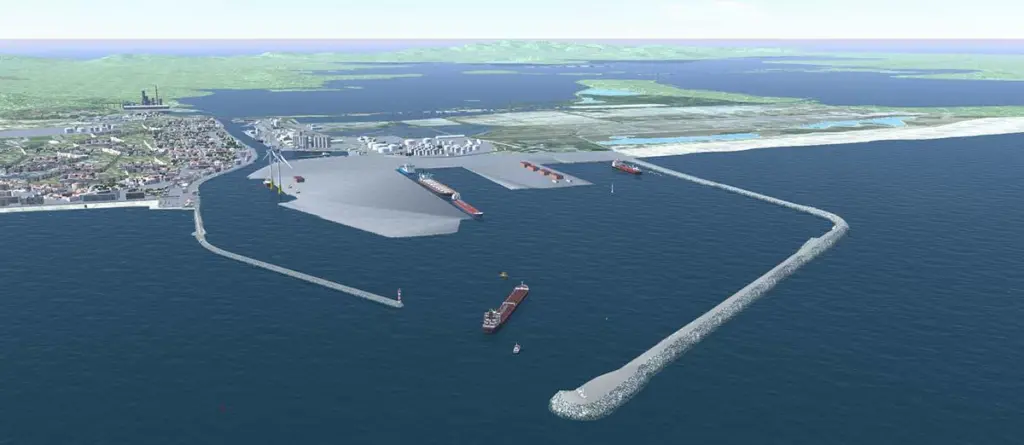
The memorandum of understanding brings together the Occitanie Region, DEME Concessions, Euroports and Teréga to develop port and logistics infrastructure at the port of Port-La Nouvelle.
“The signing of this agreement reinforces the strategic role of the port of Port-La-Nouvelle, where we have made substantial investments to establish it as the port of energy transition in the Mediterranean,” said Carole Delga, president of the Occitanie Region, which owns the port.
“This initiative also enhances our goals in low-carbon energies, including green hydrogen, and is now advancing through a dedicated €150 million plan.”
In collaboration with European projects such as the HySoW hydrogen corridors and those related to CO2, these initiatives will connect the port to major hydrogen and CO2 transport infrastructures, strengthening its role in the energy transition.
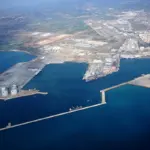
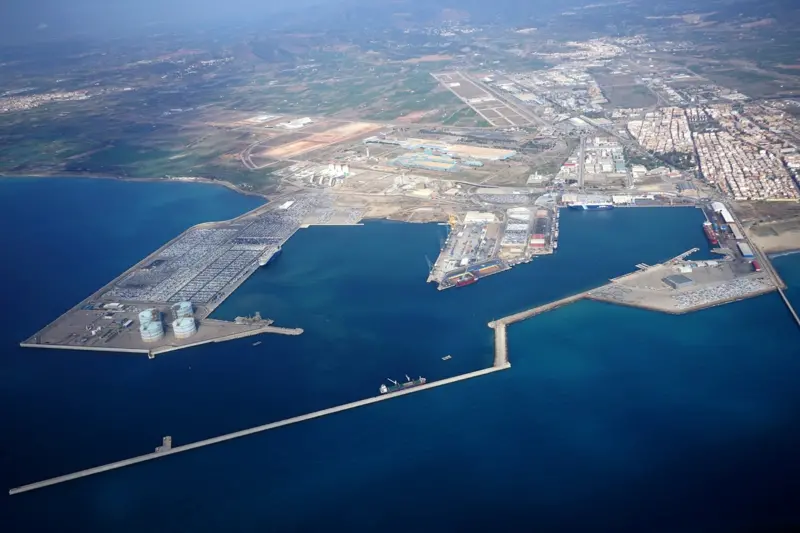
The development of port infrastructure will transform Port-La-Nouvelle into a platform for the import and export of hydrogen, CO2 and low-carbon by-products. Eventually, hydrogen import capacity could reach 2 million tonnes per year.
Port-La Nouvelle is expanding rapidly. Concession-holder SEMOP has already carried out major extension work in deep waters, including the dredging of the port at 15.9 metres and the creation of more than 150 hectares of land area. Ongoing work to construct specialised jetties for the handling of liquid bulk is expected to complete in 2026.
“This agreement aligns perfectly with Euroports’ environmental strategy,” said Frédéric Platini, chief executive of Euroports.
“Together with our partners, we aim to build sustainable infrastructure that supports Europe’s transition to a carbon-neutral future, while reinforcing the Mediterranean’s role in global energy logistics.”
Related Articles
 ALTERNATIVE FUELS GREENPORT
 ALTERNATIVE FUELS GREENPORT
 ALTERNATIVE FUELS GREENPORT