![GreenPort[PortStrategy]](https://www.portstrategy.com/greenport/wp-content/uploads/sites/4/2026/09/GreenPortPortStrategy.svg)




Port energy lessons
An energy feasibility study has been completed to help the Port of London Authority (PLA) reduce its carbon footprint.
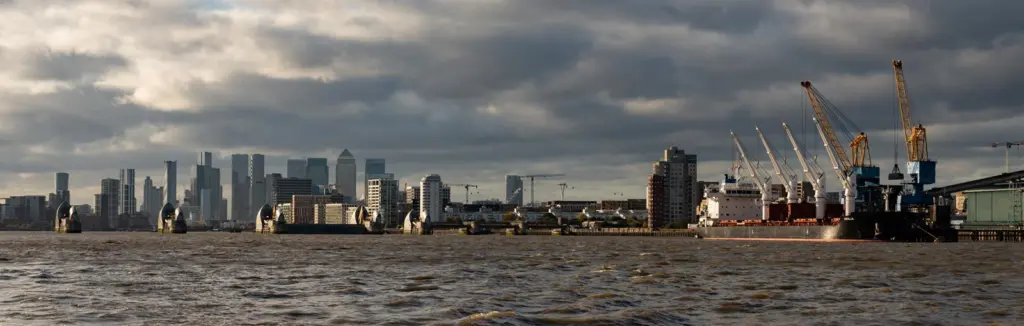
UK Power Networks Services was commissioned to complete the study which looked at ways to integrate low carbon generation technologies across the port’s sites and floating structures.
The PLA is aiming for a 60% reduction in carbon emissions by 2025 and to achieve net zero by 2040. To do this, the port needs an understanding of its existing electricity network and renewable generation opportunities available.
“As a result of this study, we are now able to identify various options for the delivery of low carbon generation technologies across a number of our sites, which will help to meet our aim to achieve net zero by 2040 and help to increase energy resilience and reduce emissions across the PLA’s estate and operations,” said Michael Atkins, senior planner at the PLA.
The project determined the suitability for renewable energy installation, including solar and wind, at 23 of the ports’ sites, assessing the level of future demand on the electricity network as the port expands.
The PLA will now be able to make informed decisions about future expansion and sustainability initiatives with visibility of their existing electricity network and viability of specific renewable technologies.
“This feasibility study will enable the port to make key sustainability and expansion decisions that support their operations,” said Kieran Coughlan, head of strategic advisory services at UK Power Networks Services.
Related Articles
 ALTERNATIVE FUELS GREENPORT
 ALTERNATIVE FUELS GREENPORT
 ALTERNATIVE FUELS GREENPORT