![GreenPort[PortStrategy]](https://www.portstrategy.com/greenport/wp-content/uploads/sites/4/2026/09/GreenPortPortStrategy.svg)
Port safety tools for clean marine fuels
The IAPH Clean Marine Fuels (CMF) working group have developed a set of industry-first safety tools to help ports meet the challenges they face in the transition to alternative fuels.
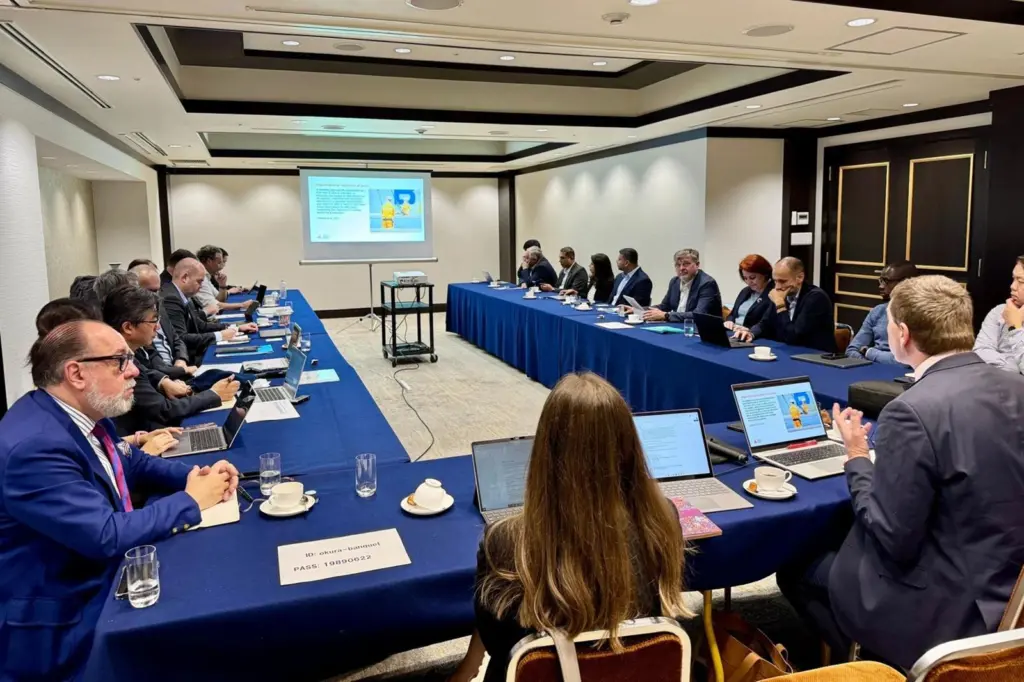
This toolkit, available on the IAPH website, includes a publicly-available bunker checklist for ammonia as a fuel, updated combined liquid gas bunker checklists for LNG and liquified hydrogen, a fuel-agnostic terminal call checklist for ship-shore operations and a ’Clean Marine Fuels Ready’ tool for all terminals receiving ships powered by new fuels.
“Since the formation of the technical committees covering the energy transition, digitalisation and risk and resilience for ports, our members have been prolific in what they have produced for the global port and maritime community,” said Patrick Verhoeven, managing director, IAPH.
”This new products portal consolidates those tools in one place, with many of these products available in the public domain.”
Comprehensive suite
As global shipping shifts towards decarbonisation, the surge of vessels powered by LNG, hydrogen, methanol, ammonia and other low-carbon alternatives demands not only infrastructure upgrades but also systematic preparation for safe, efficient and reliable bunkering operations.
In a recent IAPH-Mercator webinar discussing the impact of the new IMO Net Zero Framework on future port infrastructure, Peter Alkema, IAPH CMF working group chair, spoke about the CMF safety framework, which he also presented in person on day one at the IAPH 2025 World Ports Conference in Kobe.
“Essentially we are talking about system safety which establishes a platform-based approach towards putting processes and procedures in place integrating all safety aspects into a port’s regulatory framework,” he said.
“As a stepping stone we have operational safety tools that include supporting a projects-based approach towards bunker operations for these new fuels in a harmonised way, also ensuring all the correct ship-shore interfaces are correctly in place prior to a bunkering operation.”
The Clean Marine Fuels Ready Tool provides a blueprint for aligning safety management systems, training personnel and reviewing ship-terminal interface protocols. By following such guidance, terminals can address both operational and technical safety requirements for a wide range of fuels.
In addition, the new website portal includes recently-released cyber resilience guidelines for emerging technologies in the maritime supply chain, updated WCO -IAPH guidelines on cooperation between customs and port authorities, the new IAPH-chainPORT study on Port Call Optimization and the IAPH 2025 World Ports Tracker.
In the coming months, IAPH said it will be announcing capacity-building initiatives for ports which have these products as the basis for sustainable and resilient development.
Related Articles
 ALTERNATIVE FUELS GREENPORT
 ALTERNATIVE FUELS GREENPORT
 ALTERNATIVE FUELS GREENPORT