![GreenPort[PortStrategy]](https://www.portstrategy.com/greenport/wp-content/uploads/sites/4/2026/09/GreenPortPortStrategy.svg)




Pressure mounts to phase out soy biofuels
A large group of non-profit organisations are calling on the European Commission to phase out support for deforestation-driving soy biofuels.
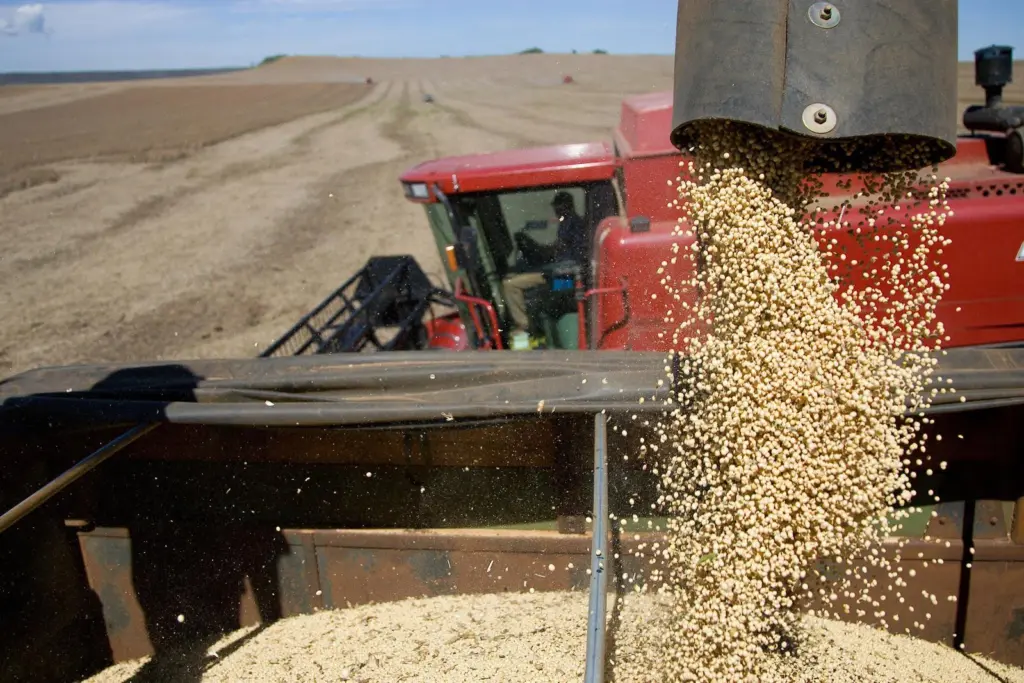
In an open letter to the Commission, organisations including European Federation for Transport and Environment, WWF, Oxfam and Birdlife say that there is one last chance before the European Parliament elections in June to include soybean oil alongside palm oil in its classification of high ILUC risk feedstock in the Renewable Energy Directive (RED).
”The Commission must recognise that EU renewable energy targets should no longer allow the use of soybean oil in biofuel feedstocks due to the devastating impacts its cultivation has on the climate, as well as the local biodiversity and human living conditions in countries where it is produced and exported to EU Member States,” it says.
”It is crucial for the Commission to ensure policy consistency and alignment, preventing the RED from acting as a loophole that enables feedstocks covered by the EUDR to be promoted in biofuels.”
Complex issue
The letter states that all biofuels made from crops should be phased out from EU renewable energy targets, as using land for biofuel production is counterproductive in climate terms.
Soy-based biodiesel is one of the worst offenders and has been proven to emit up to twice as much CO2 as the fossil fuel diesel it is used to replace, when taking into account the indirect deforestation caused by the demand for soybean oil.
Currently, soy and palm biofuels constitute only one third of the EU biodiesel feedstock volume, yet they contribute two thirds of biodiesel CO2 emissions in the EU.
The European Parliament has already called for an immediate phase out of both soybean oil and palm oil during the RED negotiations, while several EU Member States, including France, Denmark, Belgium and the Netherlands, have already started this phase out on their own accord.
Even so, soy biodiesel has rapidly grown in the EU in recent years. Between 2015 and 2022, the consumption of soy biodiesel in the European Union experienced a fivefold increase, underscoring the need for a critical examination of its environmental and social implications.
The letter argues that ultimately, trade disputes and negotiations should not deter the EU from making essential climate decisions and aligning with its international commitments.
Back in 2019, the EU classified palm oil as a high ILUC risk feedstock in 2019, despite immense trade pressure from palm producing countries. It remains now to be seen if it will do the same for soy biofuels.
Related Articles
 ALTERNATIVE FUELS GREENPORT
 ALTERNATIVE FUELS GREENPORT
 ALTERNATIVE FUELS GREENPORT