




Riga looks to bolster the Baltic fuels market
Latvia’s Port of Riga is set to bolster the Baltic market with a pioneering venture into alternative fuels, producing hydrotreated vegetable oil (HVO) and sustainable aviation fuel (SAF).
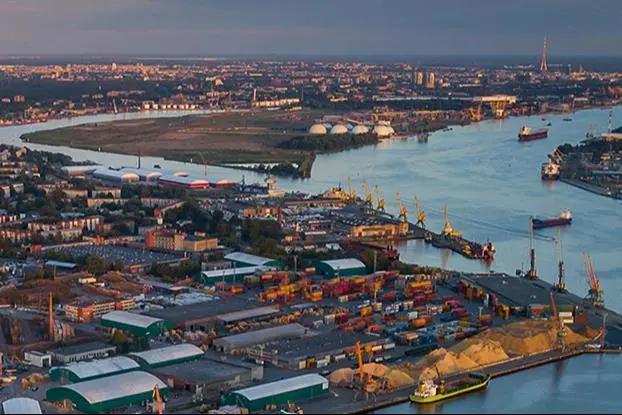
It’s hoped that the project will significantly boost Latvia’s export capacity and energy independence from foreign fuel supplies.
“The implementation of industrial projects, especially in the segment of green energy production, which has high added value and high demand, is one of the cornerstones of the future development of the Port of Riga,” said Ansis Zeltiņš, Freeport of Riga CEO.
“The SIA PARS TERMINALS project is an excellent example of how the Port of Riga can become a modern and sustainable platform for industrial projects.”
Innovative technology
The plant will use innovative technologies to produce environmentally friendly and competitive fuel alternatives from natural vegetable oil sources. These alternative fuels, including HVO and SAF, are crucial for reducing carbon emissions.
With a planned capacity of approximately 236 thousand tonnes of feedstock per year, the plant will produce 93 thousand tonnes of HVO and 87 thousand tonnes of SAF.
The project, costing an estimated €120 million, could be completed within 20 months, as all necessary equipment and technology are already available.
The renewable fuel project is vital for Latvia’s energy independence and the development of local production, contributing directly and indirectly to the economy. It also strengthens economic ties with Ukrainian investors, an important geopolitical step for Latvia and Europe.
The Port of Riga is also progressing on other green energy initiatives, such as the planned wind turbine component production in Kundziņsala, the future solar panel park in Spilve Meadows and its participation in the “BalticSeaH2 – Baltic-Nordic Hydrogen Valley” hydrogen research project.
These projects underscore the port’s commitment to renewable energy and climate neutrality goals.
Related Articles
 ALTERNATIVE FUELS GREENPORT
 ALTERNATIVE FUELS GREENPORT
 ENERGY & TECHNOLOGY GREENPORT