![GreenPort[PortStrategy]](https://www.portstrategy.com/greenport/wp-content/uploads/sites/4/2026/09/GreenPortPortStrategy.svg)


Shipping corridor study stresses investment need
A new study has looked at the feasibility of creating a green shipping corridor linking north-east England to mainland Europe.
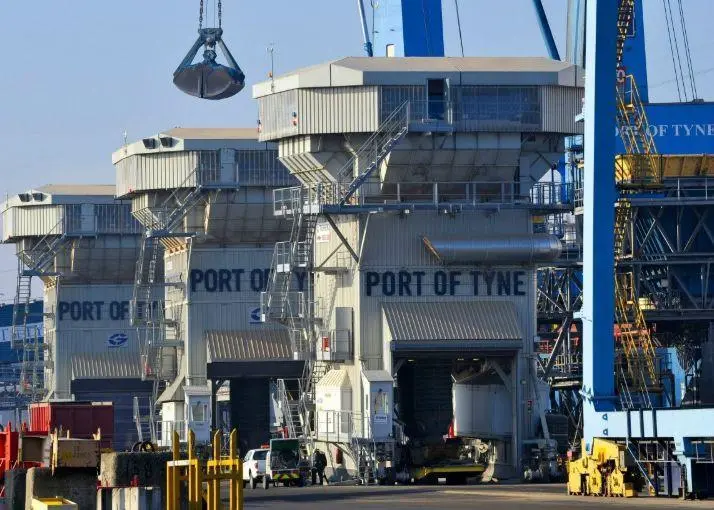
The Port of Tyne, working with Connected Places Catapult and partners Arup, Lloyds Register, EDF R&D UK, Newcastle University and the North East LEP, has collaborated on the Clean Tyne Shipping Corridor which looks at the benefits of such a move, exploring challenges such as the transition to greener fuels.
“Through the Clean Tyne Shipping Corridor Project we have been investigating what technology, infrastructure investment, and interventions are needed to create a green shipping corridor from the Port of Tyne to Rotterdam using renewable methanol,” said Dr Eleni Bougioukou, innovation manager at the Port of Tyne.
Dr Bougioukou highlighted some of the issues with moving to zero emissions fuels such as cost, lack of investment in research and the slow take-up of digital technologies.
“Despite these challenges, green corridors provide a huge opportunity to transform the current model of shipping by investing in staff, skills, and infrastructure,” she said. “Working collaboratively we can position the UK at the forefront of green shipbuilding and maritime technology.”
The project is funded by the Department for Transport to the tune of £390,000 and delivered in partnership with Innovate UK as part of the Clean Maritime Demonstration Competition Round 2. It aims to establish at least one of the six green corridors pledged in the Clydebank Declaration at COP26 by 2025.
Related Articles
 ALTERNATIVE FUELS GREENPORT
 ALTERNATIVE FUELS GREENPORT
 ALTERNATIVE FUELS GREENPORT