![GreenPort[PortStrategy]](https://www.portstrategy.com/greenport/wp-content/uploads/sites/4/2026/09/GreenPortPortStrategy.svg)


Sustainable fuels vision
A UK port has shared its vision for a decarbonised fleet of port vessels powered by sustainable fuels
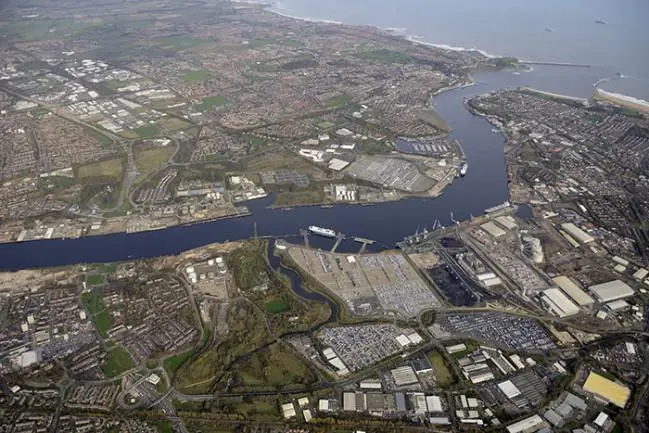
The Port of Tyne is throwing its weight behind sustainable fuels which it says are integral to the port’s sustainability vision to be net zero by 2030 and all-electric by 2040.
“The port is on a transformational journey to be a centre of excellence as the UK decarbonises, electrifies, digitises and automates its future,” said Ashley Nicholson MBE, new marien director at the Port of Tyne.
“The Port of Tyne is a leader in innovative business change and I’m looking forward to applying my industry expertise to challenge the industry, both regionally and nationally, to forge a rapid path to a more sustainable future.”
Sustainable vision
The port has made clear its postion on sustainable fuels, including the use of bioenergy.
At the end of last year, it signed up to the Glasgow Declaration on Sustainable Bioenergy which sets out how wood-based bioenergy can help tackle climate change, with a world-wide industry standard for sustainability at its core.
The Declaration, which has been signed by a coalition of thirteen wood bioenergy companies and organisations from around the world, sets out a vision for the sector’s ambitious growth to support the push to global Net Zero.
By 2030, sustainable wood-based bioenergy is projected to reduce net global emissions by 600 million tonnes of CO2e annually and one billion tonnes of CO2e by 2050 – more than is currently emitted by the world’s entire aviation industry.
It has directly replaced coal in some cases where coal power stations have been converted to run on sustainably sourced biomass. It also provides flexible energy, which supports a diverse low-carbon energy mix, including wind and solar power.
When sustainable wood bioenergy is combined with carbon capture and storage (known as BECCS), it provides negative emissions by capturing carbon at scale and burying it permanently underground, which helps to offset emissions from hard-to-decarbonise sectors such as aviation and agriculture.
Related Articles
 ALTERNATIVE FUELS GREENPORT
 ALTERNATIVE FUELS GREENPORT
 ALTERNATIVE FUELS GREENPORT