![GreenPort[PortStrategy]](https://www.portstrategy.com/greenport/wp-content/uploads/sites/4/2026/09/GreenPortPortStrategy.svg)
The UK’s drive towards alternative powered vessels
The UK Department for Transport (DfT) has announced a major boost for the UK’s maritime decarbonisation journey, with GB£448 million in new research and development funding for the UK Shipping Office for Reducing Emissions (UK SHORE).
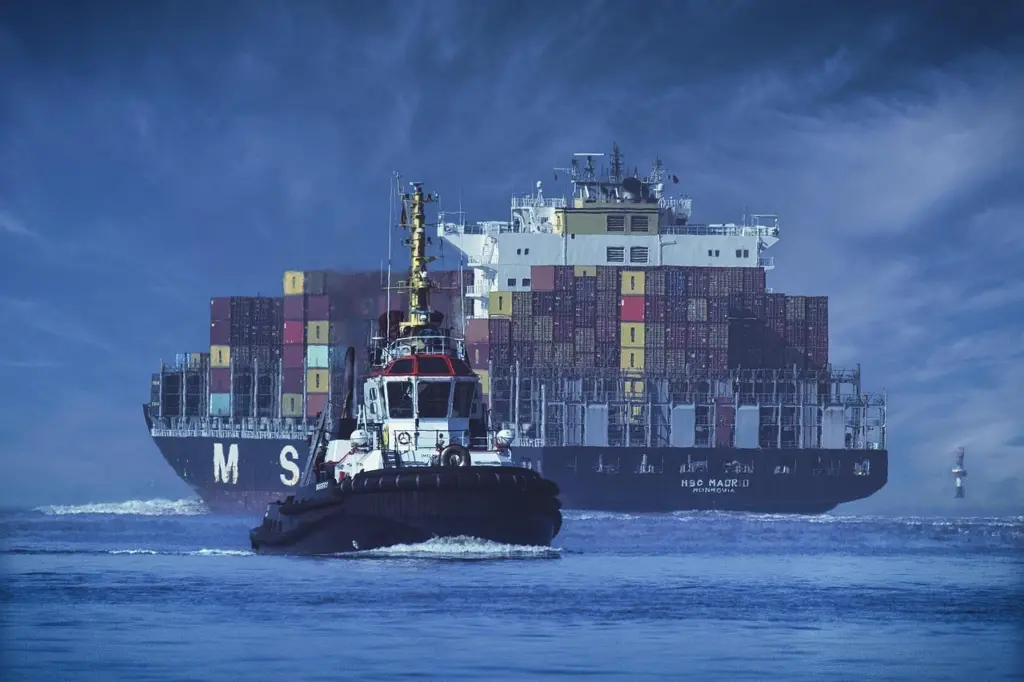
This investment, running between 2026 and 2030, will support the next five years of clean maritime innovation, supporting the development of advanced solutions for electric, hydrogen, ammonia and methanol-powered vessels, as well as efficiency improvements for ferries, cargo ships and offshore wind vessels.
“This new wave of investment is not just about technology, it’s about creating a connected, innovative maritime ecosystem that leads the world in sustainable logistics,” said a spokesperson from the Sustainable Ports Association.
”The Sustainable Ports Association will continue to support collaboration between ports, researchers and industry to ensure the benefits of this funding are maximised nationwide.”
Decarbonising marine
The announcement outlines the second phase of UK SHORE, a programme designed to accelerate technologies that will help achieve net zero greenhouse gas emissions in domestic shipping by 2050, as set out in the Maritime Decarbonisation Strategy (MDS) published earlier this year.
Since its launch in 2022, UK SHORE has so far allocated GB£240 million in R&D funding across more than 200 projects, supported over 500 organisations, including 250 SMEs, across all UK regions. It has also leveraged GB£110 million in private investment.
The new phase will build on these successes, with the aim of bringing more technologies to commercial maturity and unlocking greater investment potential across UK ports, shipyards and maritime businesses.
Next on the agenda is the Zero Emission Vessels and Infrastructure (ZEVI2) competition launching in 2026, which will fund the build and commercial trial of clean maritime technologies.
In addition, the Clean Maritime Demonstration Competition (CMDC7), also set to begin in 2026, will focus on real-world demonstration projects that will conclude by 2030, with two further rounds planned between 2027 and 2029.
Meanwhile, the Clean Maritime Research Hub will continue to receuve funding until at least 2028 to advance early-stage scientific research into new technologies, in collaboration with the Engineering and Physical Sciences Research Council (EPSRC).
For the Sustainable Ports Association (SPA), this announcement represents a significant opportunity for collaboration between ports, logistics partners and technology innovators.
By accelerating the commercialisation of clean technologies, UK SHORE Phase 2 promises to help ports enhance their sustainability capabilities, from shore power and alternative fuels to electrified logistics and supply chain resilience.
Related Articles
 ALTERNATIVE FUELS GREENPORT
 ALTERNATIVE FUELS GREENPORT
 ALTERNATIVE FUELS GREENPORT