![GreenPort[PortStrategy]](https://www.portstrategy.com/greenport/wp-content/uploads/sites/4/2026/09/GreenPortPortStrategy.svg)


UK earmarks ports as key to carbon-free shipping
The UK has unveiled an ambitious plan to achieve carbon-free shipping by 2050, prioritising port infrastructure upgrades, port electrification and vessel charging to drive the transition.
A new Maritime Decarbonisation Strategy will target worst-polluting vessels, including tankers and cruise ships, with stricter regulations under the UK Emissions Trading Scheme (UK ETS), encouraging investment in clean fuels such as hydrogen, ammonia and electric propulsion.
“Climate change is one of the greatest challenges we face today. Working together with industry and international partners, we are driving down emissions in every corner of the economy,” said Mike Kane, UK Maritime Minister.
“Our Maritime Decarbonisation Strategy will help us build a cleaner, more resilient maritime nation.”
Stricter net-zero targets
Alternative fuels and shipping charge points in harbours are at the centre of the major new strategy, which outlines targets to cut greenhouse gas emissions by 30% by 2030, 80% by 2040 and eliminate them entirely by 2050.
This news comes ahead of the UN’s maritime meeting where the UK mission will push for global greenhouse gas reductions across the industry.
As part of the strategy, the government is launching two calls for evidence to assess port energy demands and explore pathways to decarbonising smaller vessels.
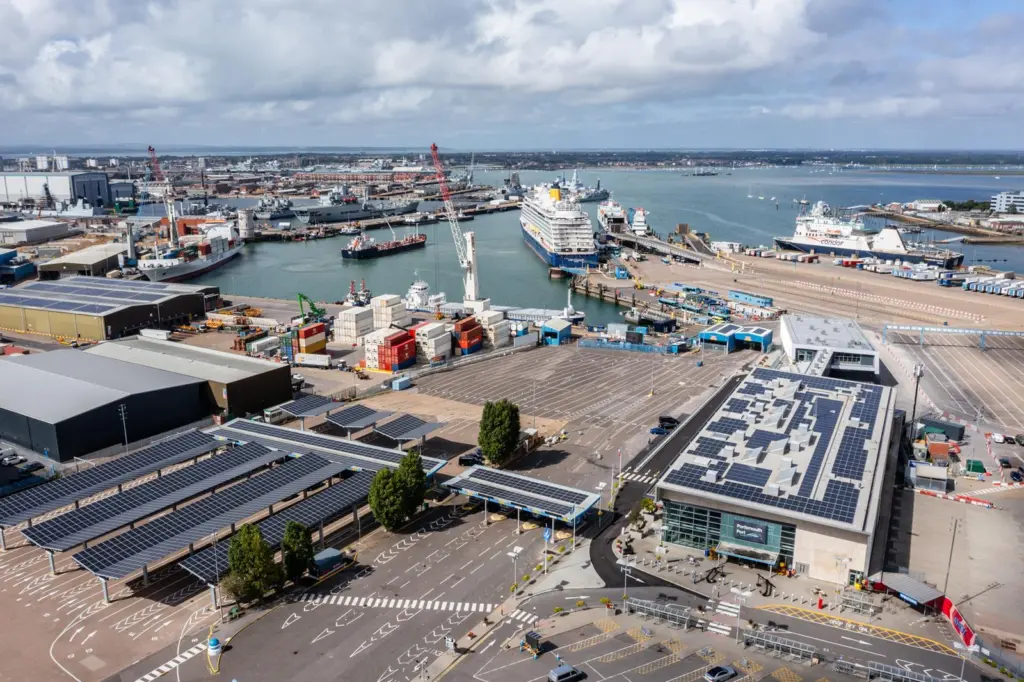
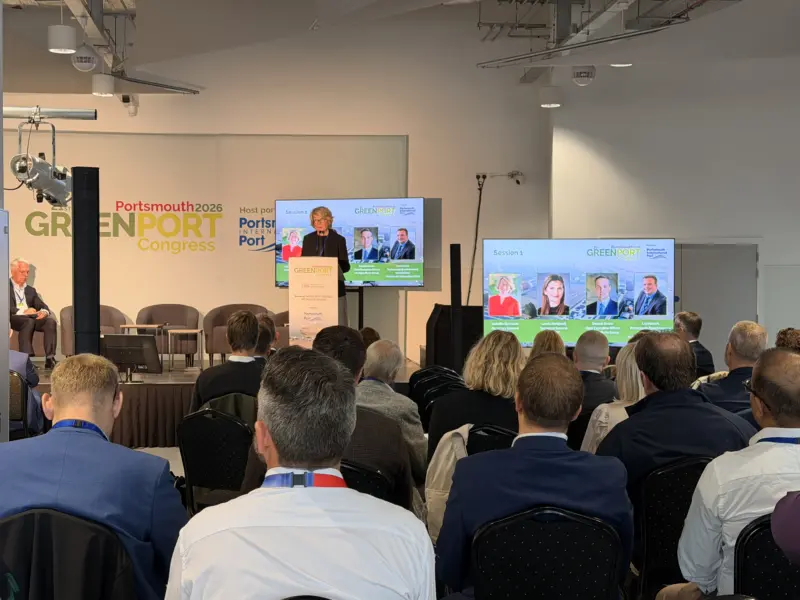
Investment in port electrification is also set to accelerate, with Portsmouth International Port leading the way by becoming the UK’s first multi-berth, multi-ship chargeport by 2025.
The UK Government also wants the public and private sectors to work more cloely together. The UK SHORE program has already funneled GB£206 million into maritime decarbonisation projects, securing over GB£100 million in private investment.
Related Articles
 ALTERNATIVE FUELS GREENPORT
 ALTERNATIVE FUELS GREENPORT
 ALTERNATIVE FUELS GREENPORT