![GreenPort[PortStrategy]](https://www.portstrategy.com/greenport/wp-content/uploads/sites/4/2026/09/GreenPortPortStrategy.svg)
WATCH: Barcelona’s synthetic fuels strategy
The Port of Barcelona has unveiled an Energy Transition Plan targeting an 85% emissions cut by 2040 through alternative fuels and advanced energy systems.
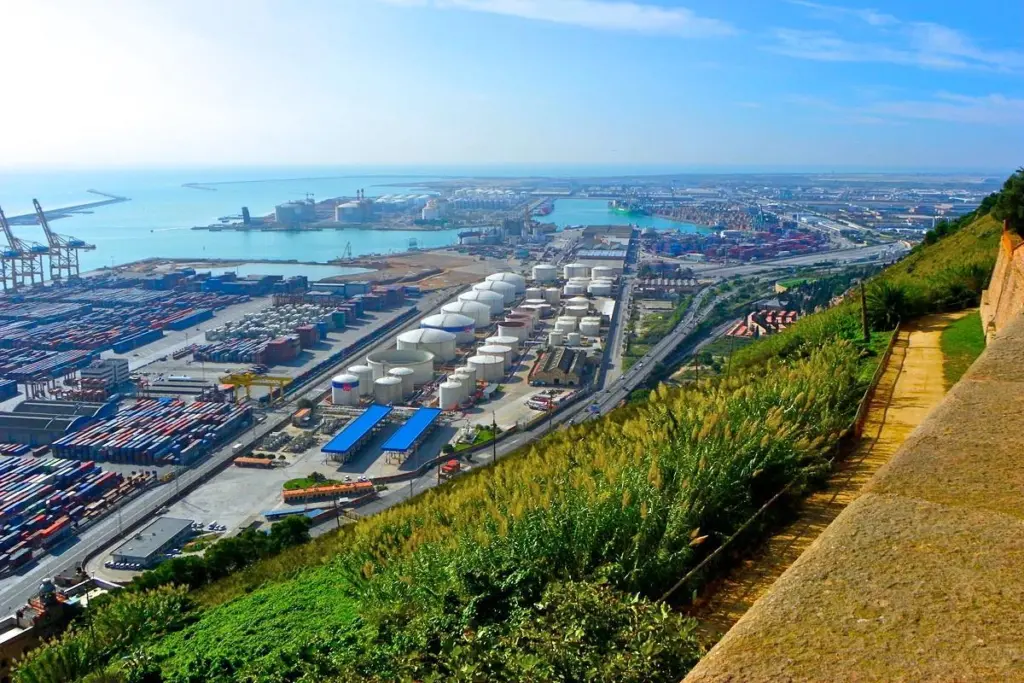
Central to the strategy is a shift toward synthetic fuels, biomethane and hydrogen, which look to position the port as a Mediterranean hub for next-generation energy.
The plan includes more than 150 actions and €1.7 billion in related investments to accelerate the energy transition and support the decarbonisation of the container market, maritime logistics and cruise sector.
“The Energy Transition Plan marks port planning for the coming years and will transform our energy model, generating new business areas,” said president José Alberto Carbonell.
Energy focus
A major pillar is the development of a robust hydrogen economy, supported by the forthcoming H2MED pipeline connection, enabling large-scale production, port electrification import and distribution.
The plan also prioritises carbon-capture technologies to supply CO₂ needed for producing synthetic fuels, further strengthening the port’s alternative-fuel ecosystem.
Annual output of up to 100,000 tonnes of sustainable fuels, including biomethane, is forecast, helping integrate Barcelona into maritime green corridors.
Shore power and electrifucation remains part of the roadmap. The plan sets a target for 65% of container and cruise calls to use shore power by 2030 but emphasises that long-term competitiveness hinges on flexible, renewable-ready fuel solutions rather than reliance on grid electricity alone.
The focus is also on local energy production, aiming to have 100 MWp of photovoltaic energy installed by 2030 and exploring formulas that allow for strategic management.
With combined private and public investment approaching €1.7 billion, the plan reveals that the port aims to become a pillar for energy innovation.
By 2050, it expects to achieve full emissions neutrality, reinforcing its leadership in Europe’s evolving clean-fuel supply chain.
Related Articles
 ALTERNATIVE FUELS GREENPORT
 ALTERNATIVE FUELS GREENPORT
 ALTERNATIVE FUELS GREENPORT