![GreenPort[PortStrategy]](https://www.portstrategy.com/greenport/wp-content/uploads/sites/4/2026/09/GreenPortPortStrategy.svg)
Waterways power Europe’s green transition
As the European Union advances its climate and industrial policy agenda, inland waterways are emerging as a critical asset in the transportation of alternative fuels.
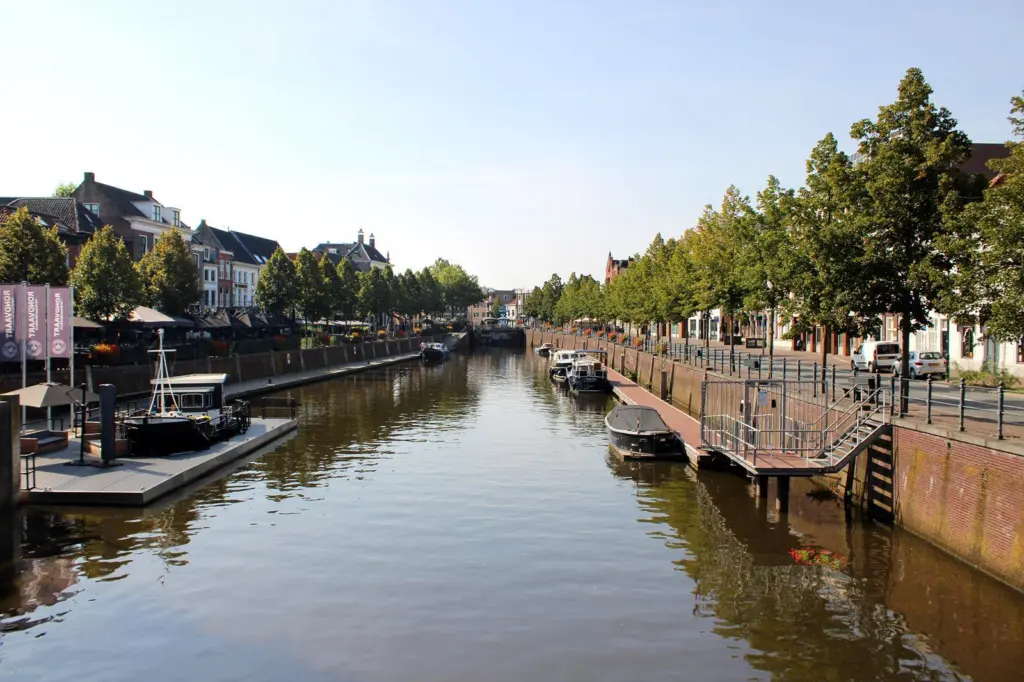
Central to the forthcoming EU Industrial Waterborne Strategy and EU Port Strategy, inland waterway transport (IWT) is being positioned as a backbone of the continent’s green transition.
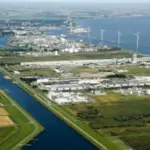
Inland waterways – Europe’s rivers, canals and inland ports – are vital conduits for the movement of goods with minimal environmental impact. These routes support the safe and efficient transport of alternative fuels such as hydrogen, ammonia and biofuels, offering a sustainable alternative to road and rail transport. Their strategic location near major production and consumption centres and their role in connecting industrial clusters make them essential to the low-carbon logistics chain.
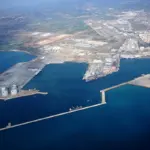
Inland ports, functioning as multimodal hubs, are expanding their capacity to handle and store renewable fuels, integrate clean energy infrastructure and facilitate the development of green industrial ecosystems. This evolution enhances not only logistical efficiency but also resilience in energy and raw material supply chains.
The upcoming EU strategies aim to harness the full potential of the inland waterways sector by encouraging innovation, streamlining regulation and boosting investment, especially for small and medium-sized enterprises. These efforts are aligned with the broader goals of decarbonisation, digitalisation and supply chain security.
Recognising the role of shipyards and equipment manufacturers, the EU intends to support the development of advanced vessels capable of transporting alternative fuels. This approach underscores Europe’s ambition to lead globally in sustainable waterborne transport technology.
Related Articles
 ALTERNATIVE FUELS GREENPORT
 ALTERNATIVE FUELS GREENPORT
 ALTERNATIVE FUELS GREENPORT