![GreenPort[PortStrategy]](https://www.portstrategy.com/greenport/wp-content/uploads/sites/4/2026/09/GreenPortPortStrategy.svg)



Brazil’s renewable energy powered terminal
Wilson Sons’ Rio Grande Container Terminal in Brazil has been recognised for its exclusive use of renewable energy in its 2024 operations.
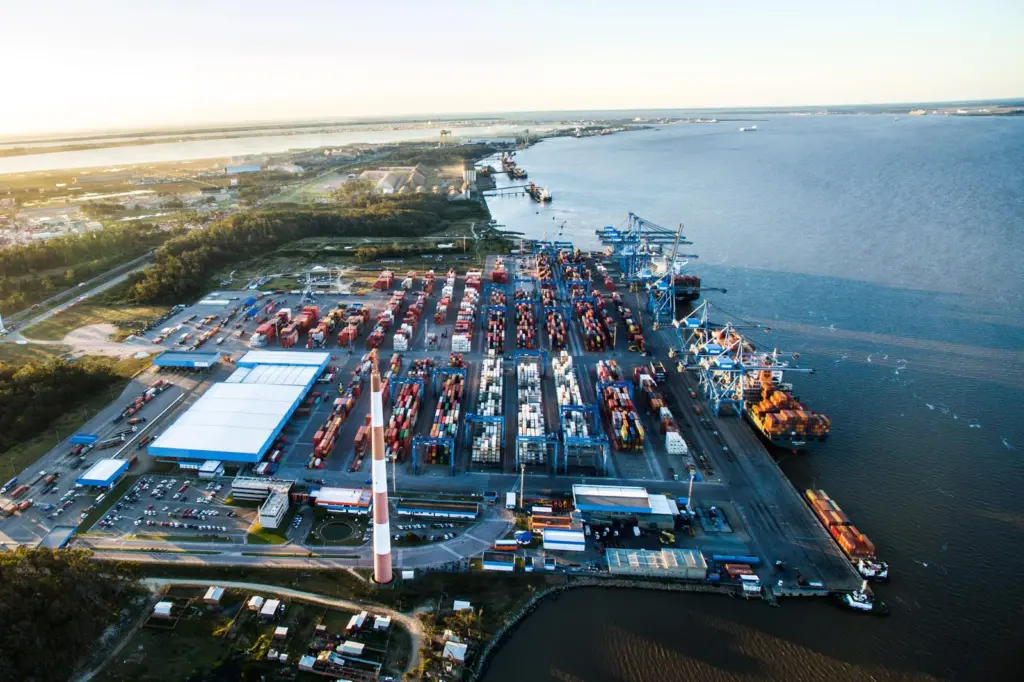
The terminal received the International Renewable Energy Certificate (I-REC), which confirms that 100% of its electricity consumption now comes from renewable sources, effectively reducing its Scope 2 greenhouse gas emissions to zero.
“The I-REC Certificate reinforces Rio Grande Container Terminal’s commitment to sustainability and environmental responsibility, in keeping with the best market practices,” said Paulo Bertinetti, CEO of the terminal.
“With this initiative, it is estimated that Scope 2 greenhouse gas emissions at the terminal have been reduced by about 80%, which reaffirms our progress towards increasingly cleaner and more efficient operations.”
Clean energy use
Awarded in April by EDP Brasil, a leader in energy generation, the I-REC seal ensures that the energy used by the terminal is clean and traceable, aligning with international standards for carbon accounting and emission reduction.
As a strategic gateway for Rio Grande do Sul, the terminal is vital for trade and economic development. With capacity to handle 1.4 million teu and accommodate New Panamax vessels, the port is a great example of how port infrastructure can still evolve and expand sustainably.
Wilson Sons’ transition to renewable energy sources marks a critical step in modernising Brazil’s maritime logistics while supporting global climate goals and strengthening its position as a green logistics hub.
Another step forward was achieved last month when Wilson Sons partnered with the energy company efen to conduct Brazil’s first fuelling of a tugboat using HVO at Vast Infraestrutura’s Açu Liquid Bulk Terminal (TLA).
Related Articles
 ENERGY & TECHNOLOGY GREENPORT
 PROJECTS & INITIATIVES GREENPORT
 ALTERNATIVE FUELS GREENPORT