![GreenPort[PortStrategy]](https://www.portstrategy.com/greenport/wp-content/uploads/sites/4/2026/09/GreenPortPortStrategy.svg)



Pandemic pollution down
The pandemic has resulted in air pollution benefits for one US port but it can’t afford to rest easy.
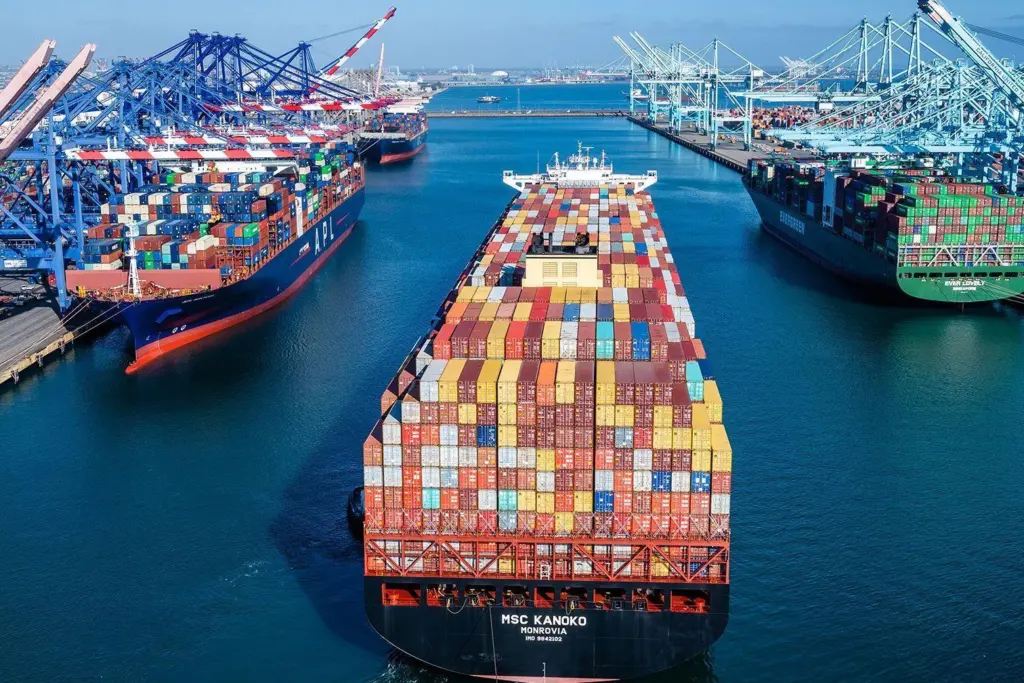
The Port of Los Angeles saw a sharp drop in cargo in the first half of 2020 with a strong return for the second half, finishing the year with a net reduction in air pollution. Its Inventory of Air Emissions for 2020 shows criteria pollutants fell slightly from 2019 levels, with diesel particulate matter (DPM) down 1%, nitrogen oxides (NOx) down 3% and sulphur oxides (SOx) down 1%.
“The tremendous drop in emissions during the first part of 2020 offset the increase at the end of the year,” said port director of environmental management, Christopher Cannon. “The cargo surge has continued well into this year, so we expect to see an increase in emissions for calendar year 2021.”
Due to the pandemic, container trade through the Port dropped 19% for the first five months of 2020. In the third quarter, the pendulum swung in the opposite direction, boosting container volume more than 50% through the remainder of the year. The final months of 2020 marked the start of ships going to anchorage awaiting their berth assignments. By the end of the year, more than 9.2 million twenty-foot equivalent units (TEUs) moved through the Port – a slight drop from 2019, but still the fourth busiest year in Port history.
Pollution reduction programmes
Compliance with mandatory and voluntary pollution control reduction programmes remains high said the port, which also drives down vessel emissions. The measures include switching to cleanest-available low-sulfur fuel; using incentives to attract the newest, cleanest ships to the Port; and plugging most container, refrigerated cargo and cruise ships into shoreside electrical power at berth.
Today, 40% of the truck “drayage” fleet are 2014 or newer models, a sign that companies doing business at the Port continue to invest in the cleanest-available heavy-duty drayage trucks equipped with pollution control systems. The trend builds on the dramatic clean air gains from the Port’s Clean Truck Program, which eliminated all older, dirty pre-2007 trucks from the drayage fleet on Jan. 1, 2012. Any trucks new to Port service must be model year 2014 or newer.
Likewise, railroads and terminal operators continue to upgrade locomotives and cargo handling equipment with cleaner engines. Nearly 28% of the 1,915 pieces of cargo handling equipment at the Port — cranes, yard tractors and other off-road vehicles — run on electricity or alternative fuels.
The Port remains focused on eliminating tailpipe emissions from cargo handling equipment by 2030 and drayage trucks by 2035. Both goals are essential to the Port’s larger goal of reducing port-related greenhouse gas (GHG) emissions 40% below 1990 levels by 2030 and 80% below 1990 levels by 2050.
Reduction fluctuation
While the Port has made progress in reducing GHG emissions, the rate of reduction has fluctuated annually. For 2020, GHGs were down 12%. “The technology that reduces particulate matter and nitrogen oxides can sometimes increase greenhouse gases,” said Cannon. “This makes our zero emissions demonstration projects all the more critical because they reduce both criteria pollutants and greenhouse gas levels.”
The port is either leading or participating in 16 regional projects with multiple partners to demonstrate low NOx and zero emissions trucks, yard tractors, forklifts and other equipment. The large-scale pilots include alternative fuelling and charging infrastructure.
The port has already achieved its 2023 CAAP goals for reducing emissions of DPM by 77%, NOx by 59% and SOx by 93%. The port hit its DPM target in 2012 and its NOx target in 2017. The port also met and exceeded its SOx reduction goal in 2014, its original milestone for the 93% target. The port also continues to surpass its 2020 goal of reducing health risk from port-related operations by 85%, first achieved in 2014.
Related Articles
 ENERGY & TECHNOLOGY GREENPORT
 PROJECTS & INITIATIVES GREENPORT
 ALTERNATIVE FUELS GREENPORT