![GreenPort[PortStrategy]](https://www.portstrategy.com/greenport/wp-content/uploads/sites/4/2026/09/GreenPortPortStrategy.svg)

San Diego expands shore power capacity
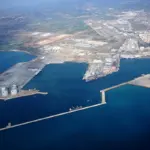
Port of San Diego is expanding shore power provision to both cut port emissions and support commercial fishing operations at San Diego Bay.
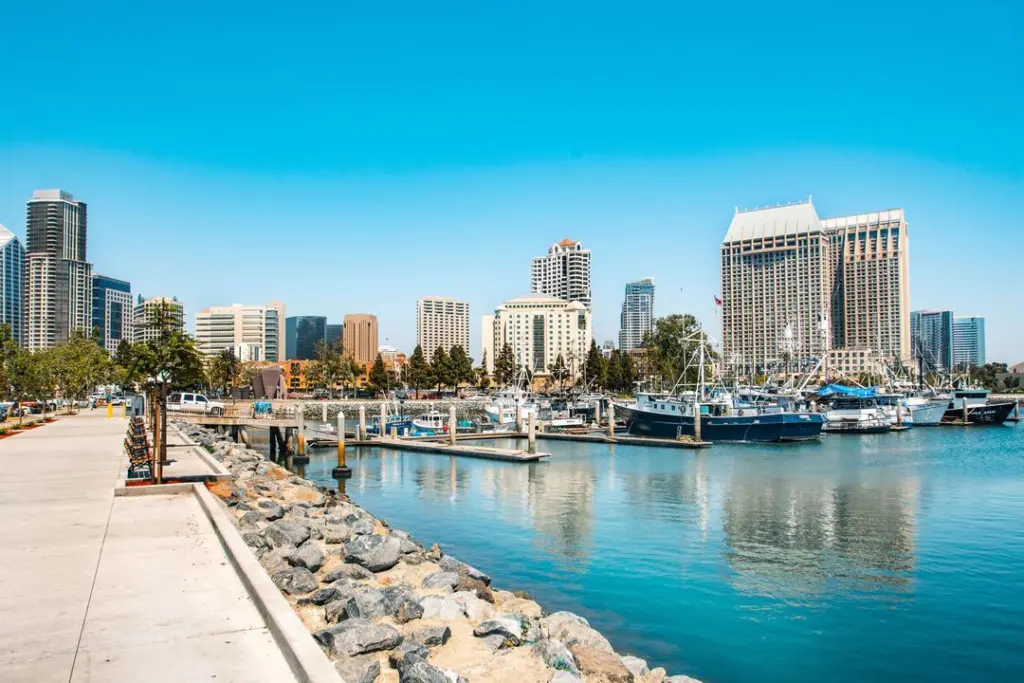
The project at Fish Harbor Pier will see California based GQ Builders Inc install three simultaneous-use connections, strengthening port electrification and improving air quality at the port.
“This project demonstrates our commitment to clean air while supporting the working waterfront that has long been part of San Diego’s identity,” said Chair Ann Moore of the Board of Port Commissioners.
“By investing in shore power at Fish Harbor Pier, we are helping our commercial fishermen meet evolving environmental requirements while ensuring they can continue to operate efficiently and sustainably.”
Electrification focus
The installation improves air quality by reducing emissions from commercial harbour craft vessels while docked, in full compliance with CARB’s at-berth regulation.
Throughout construction, the port said it will work closely with the San Diego Fishermen’s Working Group to prioritise commercial fishing activity. Measures will also be implemented to minimise engine idling and limit nonessential pier use, ensuring continued progress toward cleaner, more sustainable port operations.
The total cost of the project, including the design, will be approximately $1.8 million. Construction is expected to begin in April 2026 and is scheduled to be completed in October 2027.
Last year, the Port of San Diego announced it was seeing measurable environmental and public health benefits thanks to its aggressive push toward electrification, a cornerstone of its Maritime Clean Air Strategy (MCAS).
To date, more than US$227 million has been committed toward maritime electrification and efficiency. This includes electric trucks, equipment, vehicles and major infrastructure upgrades at cargo and cruise terminals.
The efforts have been bolstered by a recently awarded US$58.6 million EPA grant, matched by US$27.7 million in additional funding, to expand zero-emission capabilities.
Related Articles
 ENERGY & TECHNOLOGY GREENPORT
 PROJECTS & INITIATIVES GREENPORT
 ALTERNATIVE FUELS GREENPORT