![GreenPort[PortStrategy]](https://www.portstrategy.com/greenport/wp-content/uploads/sites/4/2026/09/GreenPortPortStrategy.svg)


Environmental stewardship at Busan
Busan Port Authority (BPA) says it’s ramping up development at the world’s fifth largest port to make it the logistics hub of Northeast Asia, but it’s not forgetting its environmental responsibility in the process.
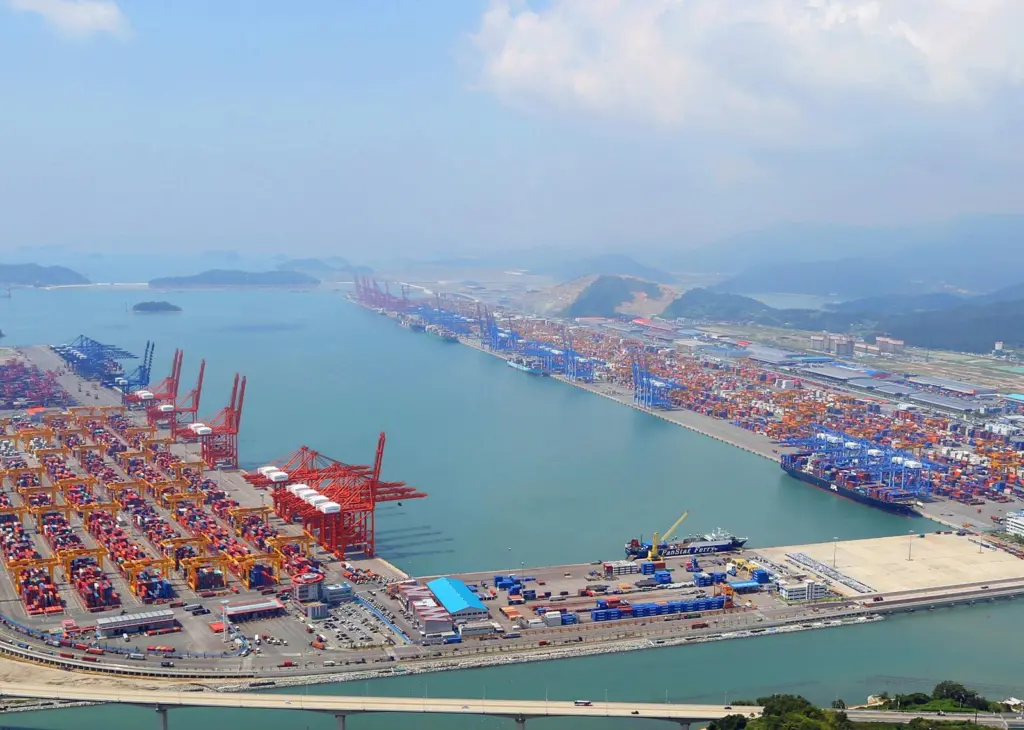
Busan’s New Port currently operates 23 berths with a total capacity of 9.23m teu. But the plan is to develop up to 22 new berths to add a further 6.6m teu by 2020, giving the port the total capacity of around 22m teu.
Meanwhile, US$8.5bn of work is underway at Busan Old Port to create a new residential waterside development and a brand new cruise facility – said to be one of the largest construction projects ever undertaken in South Korea.
The overall port expansion will include a number of eco-friendly innovations including the continued switch from diesel to electric equipment at the terminals.
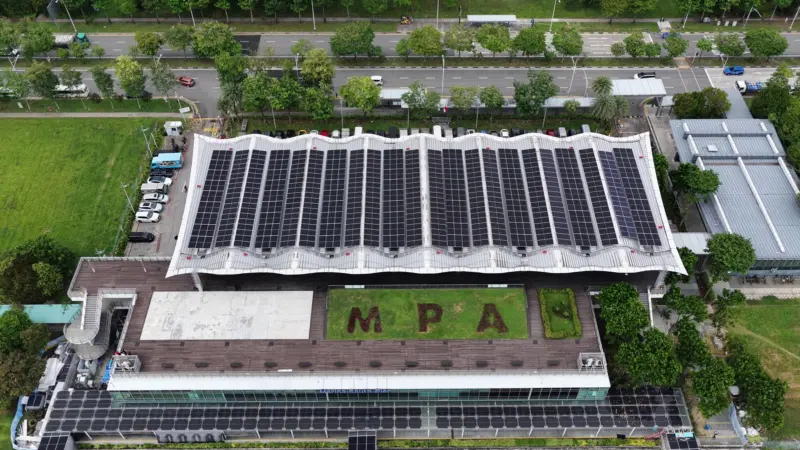
And there is also a pilot programme to install warehouse roofs with solar power, which is currently being undertaken with results expected late this year.
Busan’s New Port offices already use a mix of geothermal and solar power and it is hoped that this can be incorporated into other areas.
Mrs Jinsun Sin, general manager, of the new BPA London office, said to GreenPort: “We are an eco-friendly port and are playing a leading role in sustainability.”
She told GP that vessels with an enhanced Environmental Ship Index rating will also qualify for exemption or reduced port fees.
The Busan Port Authority takes it commitment to the environment seriously. It held its first Busan International Port Conference last year (BIPC) on the general theme of ‘Ports adapting to change’, which included a session ‘Climate change and clean ports’.
The panel debate also contributed to the current discussions in the Korea Clean Air workgroup in the port of Busan.
Related Articles
 ASIA GREENPORT
 PRODUCTS & SERVICES GREENPORT
 ALTERNATIVE FUELS GREENPORT