![GreenPort[PortStrategy]](https://www.portstrategy.com/greenport/wp-content/uploads/sites/4/2026/09/GreenPortPortStrategy.svg)

EXCLUSIVE: CentrePort’s sustainability journey
CentrePort, the port of New Zealand’s capital city Wellington, is on a journey to lower emissions and boost its sustainability.
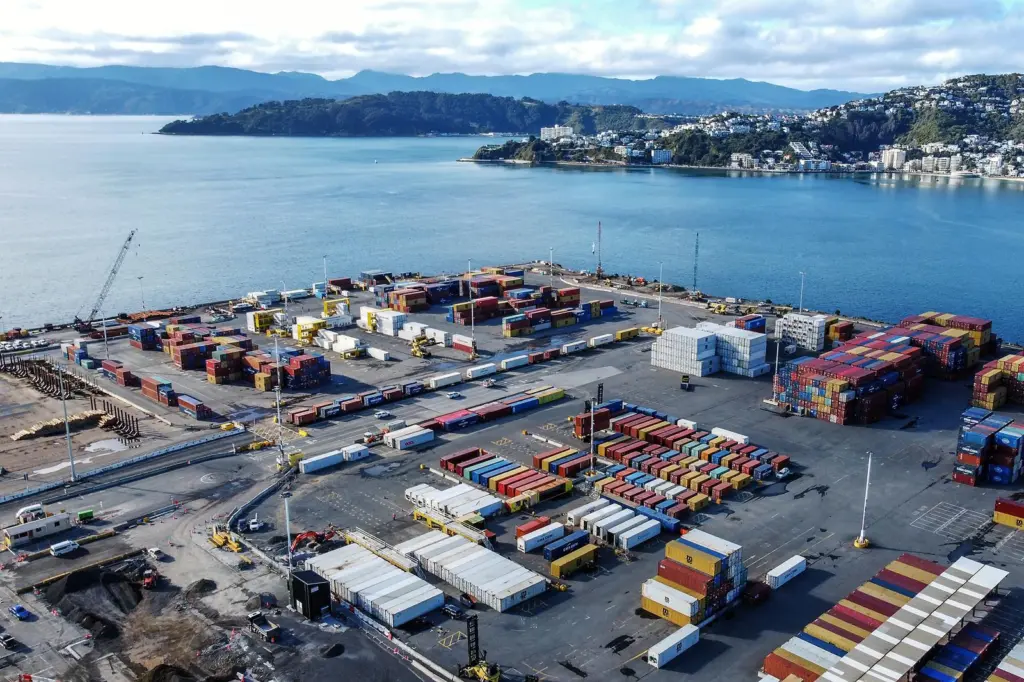
Some of its latest initiatives include partnering with an ecosanctuary and recycling demolition materials from earthquake-damaged buildings.
CentrePort is targeting net zero greenhouse gas emissions by 2040 and has already made a verified 37% reduction in emissions from its 2019 baseline.
Green initiatives
It is working on initiatives to further lower emissions both in its own operations and within the country’s supply chain. Current investments include preparing the region’s main fuel wharf for alternative fuels, introducing 100% electric container trucks on port, installing new low-emission LED lighting, and removing diesel-fuelled mobile plant.
The port has been investing heavily in works at Seaview Wharf, which is a critical gateway for fuel to the lower North Island, to make the wharf more resilient to earthquakes and adverse weather events, fit for lower-carbon fuel types, and to accommodate different types of fuel ships.
In terms of the wider supply chain, the development of a hub to transport logs to the port from the neighbouring region of Wairarapa has enabled a switch onto rail, rather than via road.
A container and bulk cargo aggregation hub has been established in another province, Whanganui, and a container hub in Marlborough, at the top of the South Island. A rail line directly onto the port has been reinstated to encourage more cargo movements by rail.
CentrePort is pursuing onsite electricity generation and storage opportunities and arranging its infrastructure to minimise exposure to electricity supply and pricing risks.
The next phase of the energy journey is about generating and storing energy on port by developing a microgrid to maximise the use of solar electricity generation and battery storage on site.
The microgrid will also supplement shore power to ships. The first steps towards shore power have been taken thanks to a grant from the Government Low Transport Emission Fund, which will help fund the creation of a connection for the BlueBridge ferries at King’s Wharf in partnership with ferry company StraitNZ.
Solar panels for the microgrid will arrive at CentrePort by mid-2024, and shore power will be ready at King’s Wharf by 2025.
Biodiversity focus
Complementing these energy initiatives, the port has partnered with world-leading ecosanctuary Zealandia Te Mara-a-Tane to increase harbour biodiversity and restore the local Kaiwharawhara stream that flows into the harbour.
CentrePort also works in partnership with local iwi (Māori tribes), the Department of Conservation (DOC), regulators, customers and the community to protect the biodiversity of the port and the wider surrounding area.
It has moved to become a more sustainable port by recycling and passing on materials that would have otherwise gone to waste. Used mooring ropes are enriching a bird enclosure at a local nature reserve, and time-expired muesli bars from staff “grab bags” have gone to feed the animals at a wildlife park.
Fence posts have been recycled and leftover paint from the container depot has been gifted to community groups.
CentrePort has even found a silver lining to the damage created by the earthquake that hit the region in 2016. Materials recovered from buildings demolished in the earthquake have been reused.
Demolition of one building for example, led to around 30,000 tonnes of concrete being crushed for use in the port’s ground resilience works, windows were re-used in the construction of Wellington’s new Children’s Hospital, and rubber mats are being used in the glasshouses at Wellington’s Botanic Gardens.
Related Articles
 ENERGY & TECHNOLOGY GREENPORT
 PROJECTS & INITIATIVES GREENPORT
 PRODUCTS & SERVICES GREENPORT