![GreenPort[PortStrategy]](https://www.portstrategy.com/greenport/wp-content/uploads/sites/4/2026/09/GreenPortPortStrategy.svg)

Port focuses on mussel bed restoration
New Zealand’s Ports of Auckland Ltd (PoAL) has partnered with conservation group Protect Our Gulf Inc (POG) on a mussel bed restoration project.
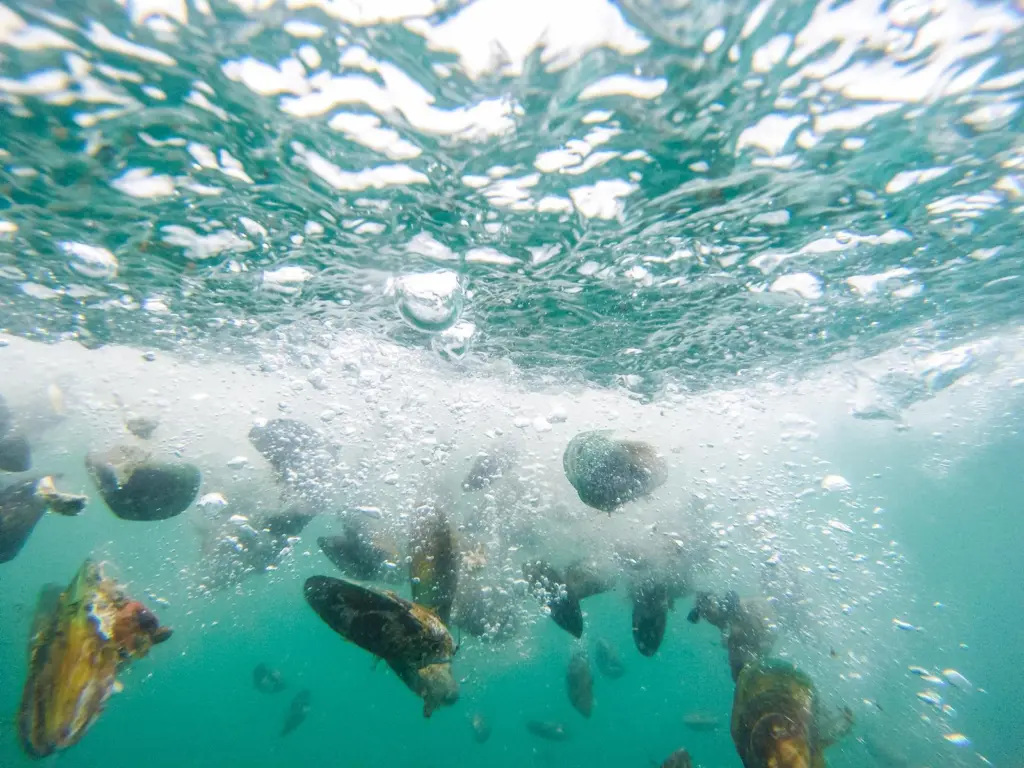
The project is taking place within the Hauraki Gulf, through which ships approach and leave Waitematā Harbour and the port.
POG is based on Waiheke Island, which sits within the gulf. The group has been in a three year court battle with PoAL with regard to dredging plans. The port requires deepening of the Rangitoto Channel for the safe passage of larger ships, while Protect Our Gulf is committed to ensuring that any work undertaken by PoAL is done in a way that is respectful of Māori cultural values and results in more positive environmental outcomes for the Hauraki Gulf.
The groups have now come to an agreement which has the mussel bed restoration joint initiative as a cornerstone. The agreement also ensures that PoAL will support ongoing monitoring of the site for disposal of dredged material and look for opportunities to relocate as much of the dredgings as possible back within the dredge precinct rather than disposing it at a consented disposal site.
Proactive partnership
As part of the agreement, PoAL will provide funding on behalf of POG to the mussel bed restoration work being done by Revive Our Gulf (ROG). ROG’s restoration project work is also in partnership with iwi/hapū (local indigenous tribes and sub-tribes) and local communities – bringing together expertise in marine science and Mātauranga (local knowledge), consenting and biosecurity.
Looking forward, POG and PoAL have committed to engaging and working positively and proactively together, including the possibility of setting up a joint working group, to ensure that better environmental and conservation outcomes are central to the Port of Auckland’s ongoing activities.
Following the agreement, PoAL received the consent required to dredge the Rangitoto Channel and dispose of dredged materials at the designated disposal site. The consent had been held up by the legal challenges.
POG says its main aim in bringing the litigation was to challenge the need for dumping in the Hauraki Gulf and to highlight the potential effects the activities might have on Māori cultural values and the environment.
“Having achieved this, we are pleased that the way forward is not ongoing and expensive court cases but instead proactive discussions with all stakeholders as to how to better look after our very degraded oceans,” says Shirin Brown, chair, POG.
“The important focus now must be how we can best protect the moana (sea) and its organisms. Notwithstanding that Auckland is a port city, we have to actively do better into the future as businesses and communities to question all projects which represent significant degradation to our marine environment,”
Ports of Auckland CEO Roger Gray says he is committed to engaging with and working with the community and stakeholders for the health of the harbour.
“As one of the largest users of the Waitematā Harbour, we are committed to ensuring we do our part to look after it. Over the past ten years the port has been working proactively on the protection of Brydes whales in the gulf and we are now pleased to partner with Protect Our Gulf on the mussel bed restoration also. We believe this partnership and work with other stakeholders will lead to more positive environmental outcomes.”
Auckland is New Zealand’s largest import port, serving the country’s main population base.
Related Articles
 ENERGY & TECHNOLOGY GREENPORT
 PROJECTS & INITIATIVES GREENPORT
 PRODUCTS & SERVICES GREENPORT