![GreenPort[PortStrategy]](https://www.portstrategy.com/greenport/wp-content/uploads/sites/4/2026/09/GreenPortPortStrategy.svg)


Addressing the IT talent crunch
As container cargo handling operations become more technology driven, terminals will require the integration of multiple complex systems which operators must know how to use proactively to avoid a loss in productivity.
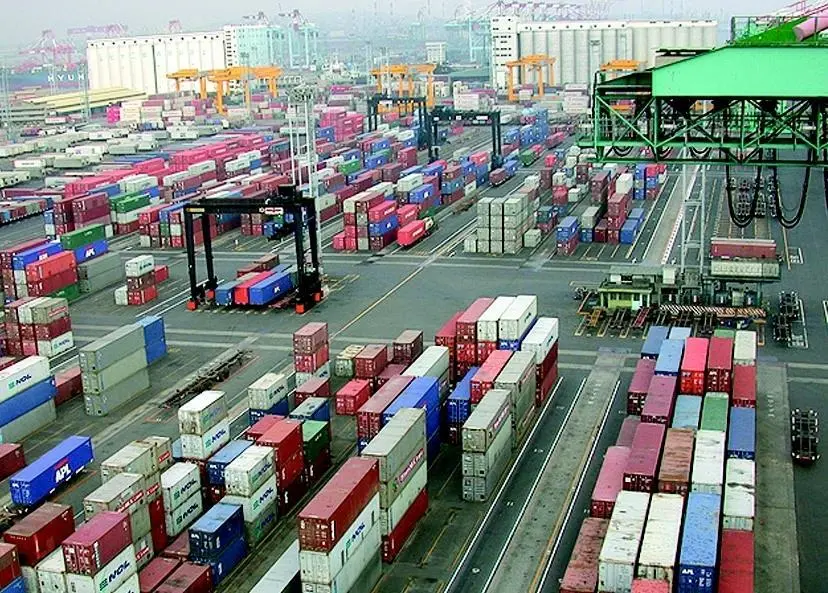
Terminal optimisation expert, Navis, told Port Strategy that being able to implement, execute and manage terminal technology successfully requires certain skills in terms of analytics, operations and use of technology. Going forward, there will be challenges around recruiting new technical talent and ensuring ongoing education and mastery for those who have worked in the industry for years.
Andy Barrons, chief marketing officer and vice president, Navis, told PS: “In many terminals, it’s no longer possible to estimate operational efficiency by simply visually watching real-time progress on a crane-by-crane basis. In many modern terminal systems, the discharge of a single container from vessel to yard involves a set of complex communications between multiple systems.”
He said that in the span of five minutes for a single container discharge, 30 messages can be passed between five different systems, including relevant container characteristics, transaction references, vessel and equipment positions and yard slot locations. For seamless operation, these interactions have to happen without issue and terminal staff need to understand the underlying message flow and integration points in order to troubleshoot and diagnose any problems.
Terminal operating IT infrastructures are also moving into the era of big data. One of the main global terminal operators handles approximately 70 million teu of container traffic annually, which results in more than 400 million Terminal Operating System (TOS) software transactions. When the terminal operator in question spent 18,000 hours of time last year gathering an analysing the data, 95% of the time was focused on the gathering of the data and only 5% was spent on the analysis and operational decisions based on the analysis.
“Clearly, there is a need for greater technical skills with handling this sort of big data as it moves towards becoming the norm in the industry,” Mr Barrons added.
He said that as terminal operations become more highly advanced, resources are required that have a more analytical and proactive mindset. Rather than diagnosing problems and resolving them reactively, terminals must have staff that can be proactive to avoid problems.
If terminals don’t adopt this new data-led, proactive operational mindset, they will fall back into a reactive, fire-fighting mode, leaving them incapable of making the operational changes required to increase productivity.
Related Articles
 CONTAINER & CARGO HANDLING
 CONTAINER & CARGO HANDLING