![GreenPort[PortStrategy]](https://www.portstrategy.com/greenport/wp-content/uploads/sites/4/2026/09/GreenPortPortStrategy.svg)

Alicante partners up for a greener cruise future
Francesco Balbi, port manager, Alicante Cruise Port, shares his plans for sustainable operations at the popular Spanish cruise facility with Michele Witthaus.
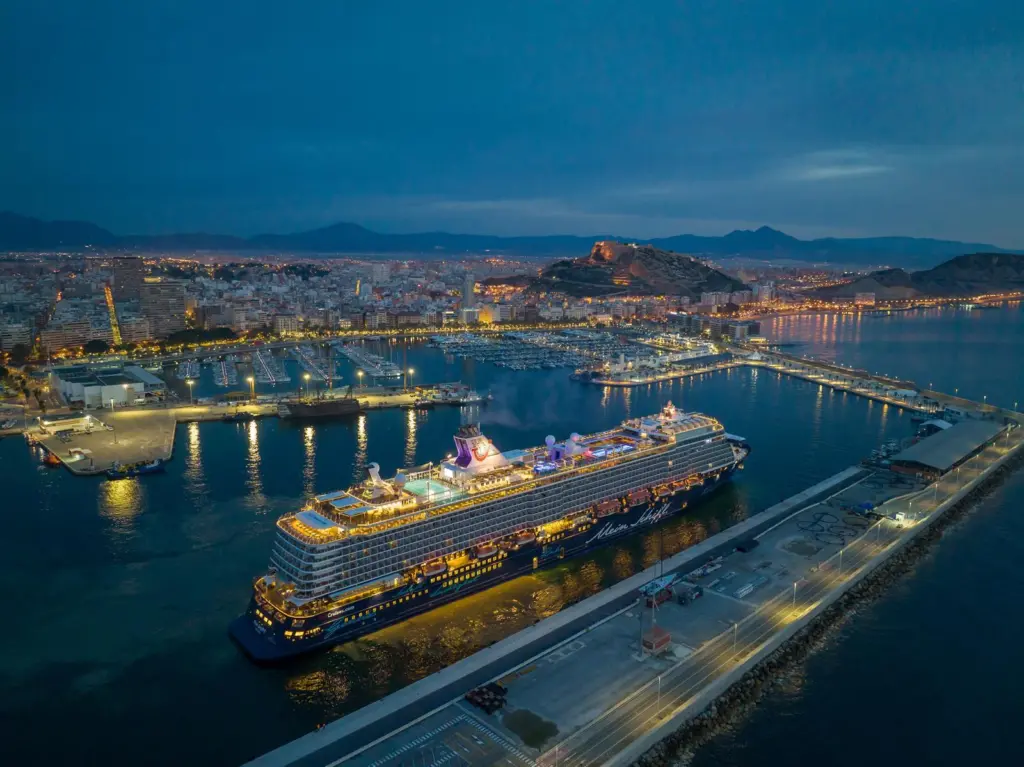
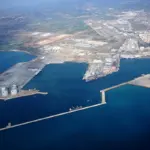
International ports giant Global Ports Holding (GPH) added Alicante Cruise Port to its portfolio in March 2023, launching a 15-year concession together with local partner Sepcan. Newly appointed port manager, Francesco Balbi, is keen to place sustainability at the heart of the port’s strategy.
“There is no doubt that the cruise sector brings great benefits to the city of Alicante and its province,” says Mr Balbi. “It is estimated that each port call in transit brings a net income of around 300,000 euros, without considering the economic impact of the jobs that are created.”
Sustainability crucial
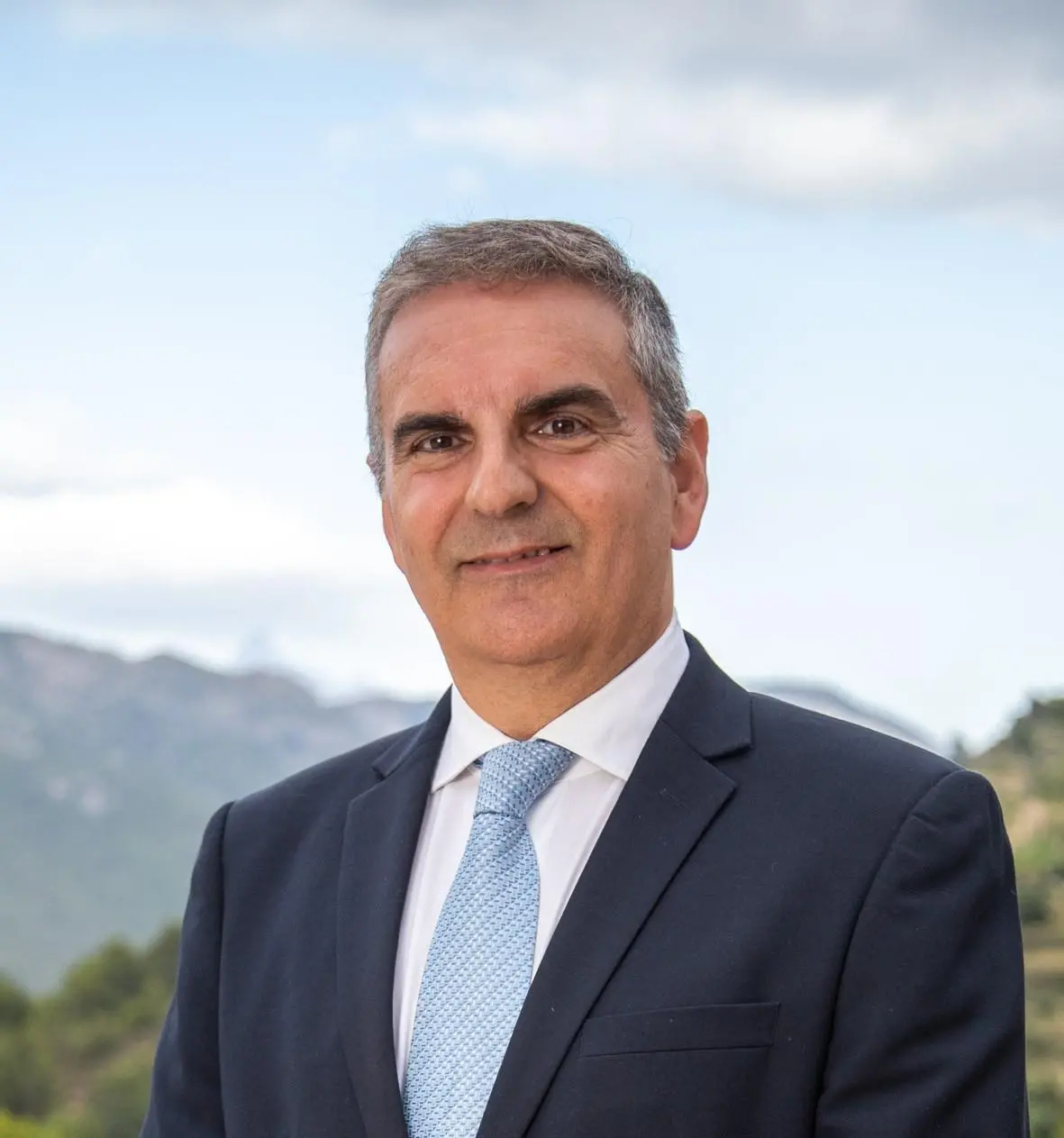
Mr Balbi stepped into his new position when the joint venture was announced, having held the role of GM there since 2014. He brings to his new job a wealth of transferable experience from both cruise line and sustainability perspectives.
Previously, he was environmental director for MSC Cruises and he has served as a member of the Environment Subcommittee of the European Cruise Council.
Mr Balbi regards economic, social and environmental sustainability as crucial to Alicante Cruise Port’s future success.
“As there are new developments and investments throughout the cruise industry, ports and destinations need to be able to provide for the needs of the cruise ships. Through collaboration and smart investment, we need to think about clean and green energy that will protect our environment for the future generations to come,” he says.
Shore power
One project that is already underway at the port is a plan to equip the terminal building with solar panels for its own consumption.
“This initiative not only provides an obvious economic benefit but also contributes to the overall sustainability of the port,” explains Balbi. “By installing solar panels, Alicante Cruise Port can generate clean and renewable energy to power various operations within the terminal. This will reduce the reliance on traditional fossil fuel-based energy sources, leading to a significant decrease in greenhouse gas emissions and carbon footprint. The utilisation of solar energy aligns with the principles of sustainable development and demonstrates a commitment to environmental responsibility.”
The port is also considering how to provide shore power for visiting vessels.
“Alicante Port Authority, like other ports in Spain, is studying the construction of power plants that can supply shore power to the ships in port, with the obvious benefit of keeping the engines of cruise ships switched off and connected to the port’s or the city’s electricity grid,” says Mr Balbi.
For Mr Balbi, the driver of this kind of investment goes well beyond the risk of cruise ships polluting the air of harbour areas while berthed.
“We know that cruise ships consume fuel at a very low SOx emission rate because new generations of fuel are very low in contaminants today,” he says. Rather, he is interested in the port’s ability to become part of a virtuous circle of sustainability that extends beyond the local area and enables joined-up action by many cruise ports.”
“By integrating these sustainable facilities and practices, the port not only minimises its ecological footprint but also becomes a catalyst for sustainability in the surrounding area. It sets an example for other businesses and institutions to adopt similar practices, leading to a cascading effect that promotes sustainability on a broader scale.”
Green focus
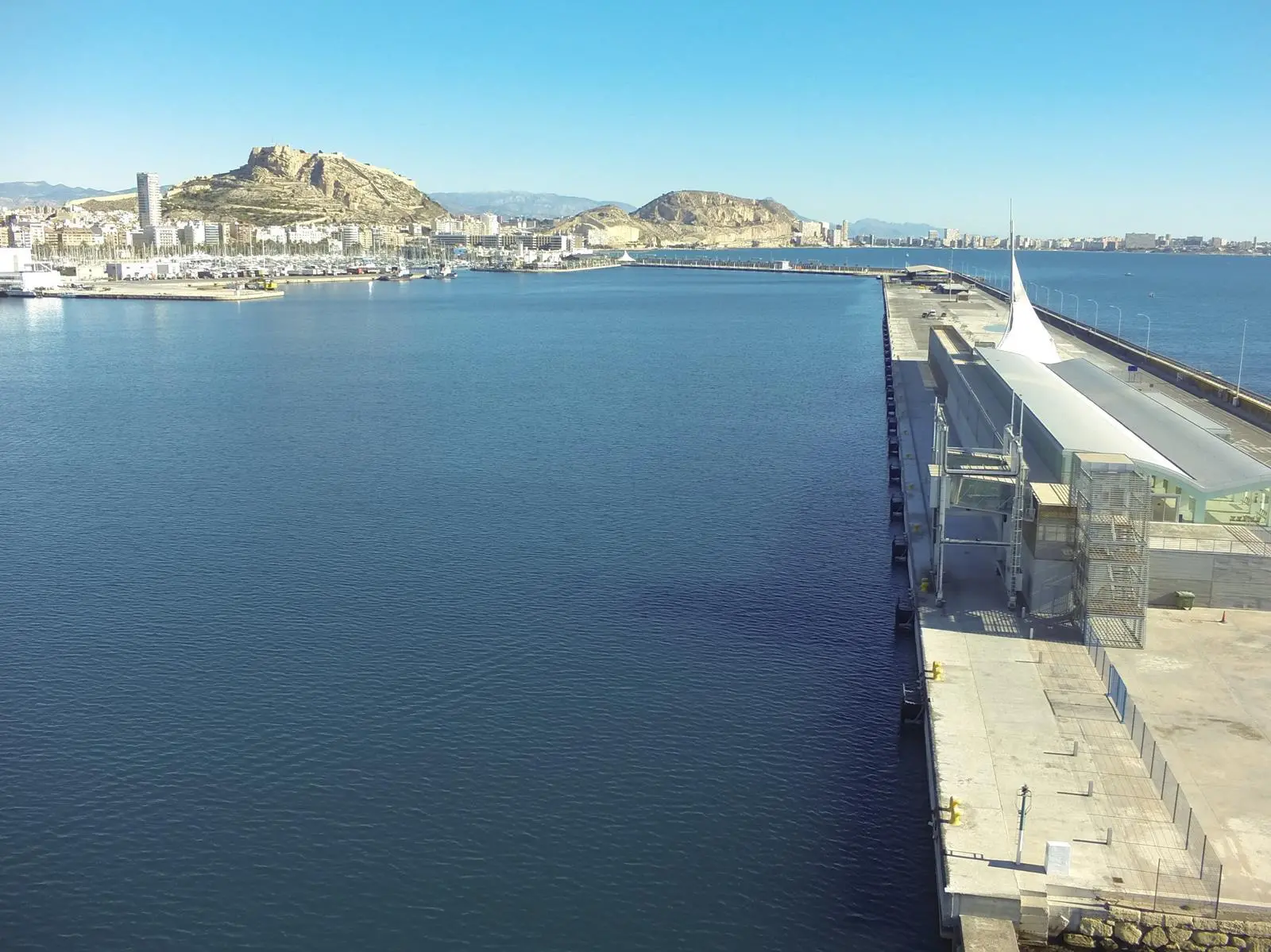
Mr Balbi sees the new port management structure overseen by GPH as a key factor in raising Alicante Cruise Port’s profile as a green organisation.
“Overall, the facilities implemented through the joint venture contribute to improving the sustainability of the port, the city and the region by reducing environmental impact, promoting renewable energy, and inspiring sustainable practices. These initiatives create a more resilient, environmentally conscious and economically viable ecosystem that benefits both present and future generations.”
“GPH and Alicante Cruise Port will continue to collaborate and work together with all local stakeholders for any upcoming sustainable projects. With planned investments incoming from GPH, Alicante will embrace these sustainability opportunities, enhancing its reputation as an environmentally conscious and responsible destination. It not only benefits the port’s economic viability through reduced energy costs but also contributes to the long-term preservation of the local ecosystem and the well-being of the community.”
There is a strong focus on expanding the reach of initiatives that promote greener cruising.
“We are committed to something that goes beyond environmental as well as economic and social sustainability and that is the development of well-being and the improvement of the quality of life in the destinations,” he says.
“We know that the cruise sector can significantly help the growth of a destination not only economically but also in terms of wellbeing, style and quality of life, and this is the ultimate goal to which GPH aspires: to help destinations grow and make the city and its citizens more aware of their capabilities, their cultural heritage, natural, economic and environmental heritage and, ultimately, to improve the quality of life of the inhabitants who benefit from the arrival of cruise passengers while also improving the services and infrastructure that the city offers its citizens.”
Engaging communities
Mr Balbi regards cooperation with partners and stakeholders as crucial to ensure sustainable cruise tourism. “Collaboration and engagement with various entities allow for a comprehensive approach that considers the interests and perspectives of all involved parties,” he says.
He is keen for Alicante Cruise Port to pursue social sustainability and avoid the problems of over-tourism that are affecting popular cruise destinations worldwide.
“In some cases, the economic benefit can result in social suffering, as we are seeing in congested ports where many cruise ships arrive on the same day. On the one hand, they bring great economic benefits, on the other hand they damage the social environment,” he remarks.
“It is a very important issue for cruises to address this and the solution is to find a balance that guarantees economic and social sustainability at the same time. We need to collaborate with cruise lines to spread the incoming traffic for better cruise experience, as well as the local one.”
His recipe for success is to support the cruise industry in a proactive approach to sustainability by “engaging with local communities; collaborating with local authorities; engaging with suppliers and industry associations; and educating passengers and crew.”
He concludes: “By actively collaborating with partners and stakeholders, the cruise industry can ensure that sustainable practices are integrated into all aspects of cruise tourism. This approach fosters transparency, inclusivity and long-term sustainability, benefiting not only the cruise lines but also the destinations, local communities and the environment.”
Related Articles
 CRUISE GREENPORT
 EUROPE GREENPORT
 EUROPE GREENPORT