![GreenPort[PortStrategy]](https://www.portstrategy.com/greenport/wp-content/uploads/sites/4/2026/09/GreenPortPortStrategy.svg)
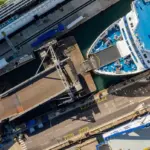
Baltic ports tackle emissions with onshore power
Port of Stockholm has joined eight other Baltic sea ports in applying for EU grant funding to develop onshore power infrastructure to help lower emissions.
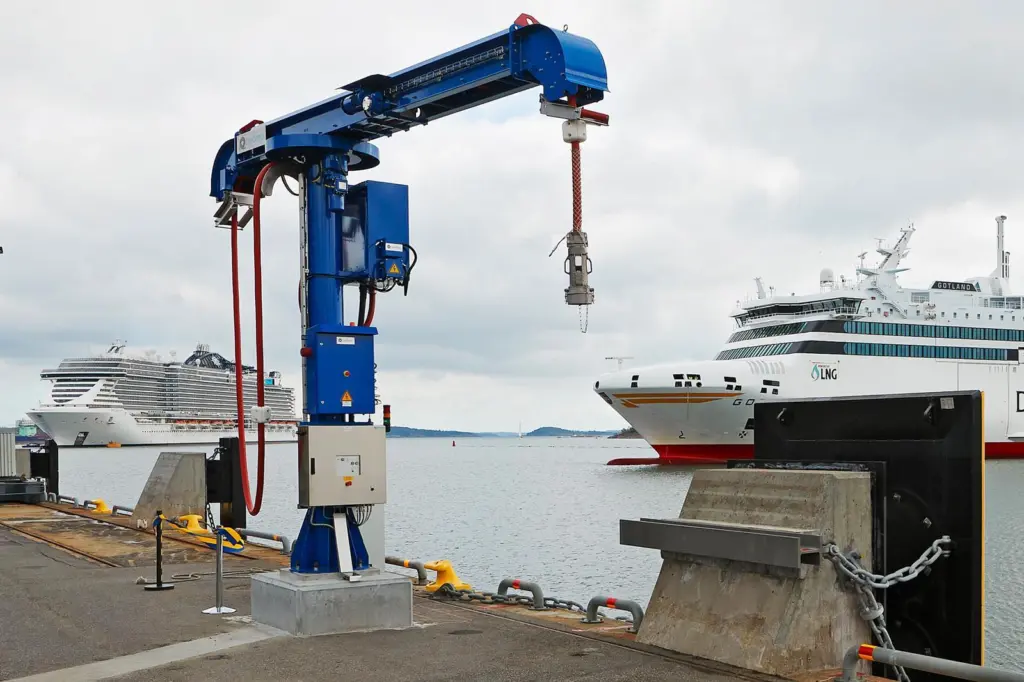
The Swedish government has given the go-ahead for the application that will see the port submit a joint application for the grant from the EU Connecting Europe Facility (CEF).
“Together with the other Baltic Sea ports, we want to speed up and assure a more rapid development of onshore power connections for vessels at the quayside in the Baltic Sea region. This will result in greater ability to meet our own and EU environmental goals,” said Clara Lindblom, chair of the board of Ports of Stockholm.
Pilot studies
The joint EU grant application with the title Baltic Ports for Climate is being submitted together with the ports in Aarhus, Klaipeda, Ventspils, Helsinki, Riga, Tallinn, Gdynia and Hamburg, under the auspices of the Baltic Ports Organisation, an industry sector organisation that Ports of Stockholm has been a member of since the beginning of the 1990s.
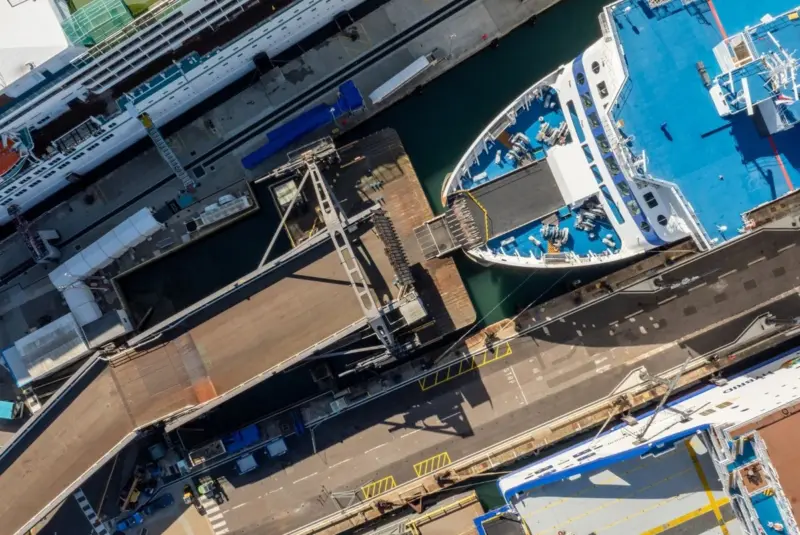
As project coordinator, Ports of Stockholm aims to involve different pilot studies concerning the expansion of onshore power connections for cruise ships at the Värtahamnen/Frihamnen ports and for ferry connections at the city centre Stadsgården quays.
The application will be submitted to the EU in the middle of January with the intention that the project will start in July 2023 and run until July 2025.
Development of onshore power connections is among other things one of the demands of the EU climate goals and conversion to greener shipping policy known as Fit for 55.
Ports of Stockholm is already one step ahead in terms of shore power development. Many of its regular ferry services already connect to onshore power in Stockholm and new onshore power facilities are being built at the quays at both Port of Kapellskär and at the city centre Stadsgården quays.
Related Articles
 ENERGY & TECHNOLOGY GREENPORT
 ALTERNATIVE FUELS GREENPORT
 ENERGY & TECHNOLOGY GREENPORT