![GreenPort[PortStrategy]](https://www.portstrategy.com/greenport/wp-content/uploads/sites/4/2026/09/GreenPortPortStrategy.svg)

US energy ports fight Trump’s funding cuts
The American Association of Port Authorities (AAPA) is urging Congress to reverse deep cuts to US port infrastructure funding that could harm national security and energy exports.
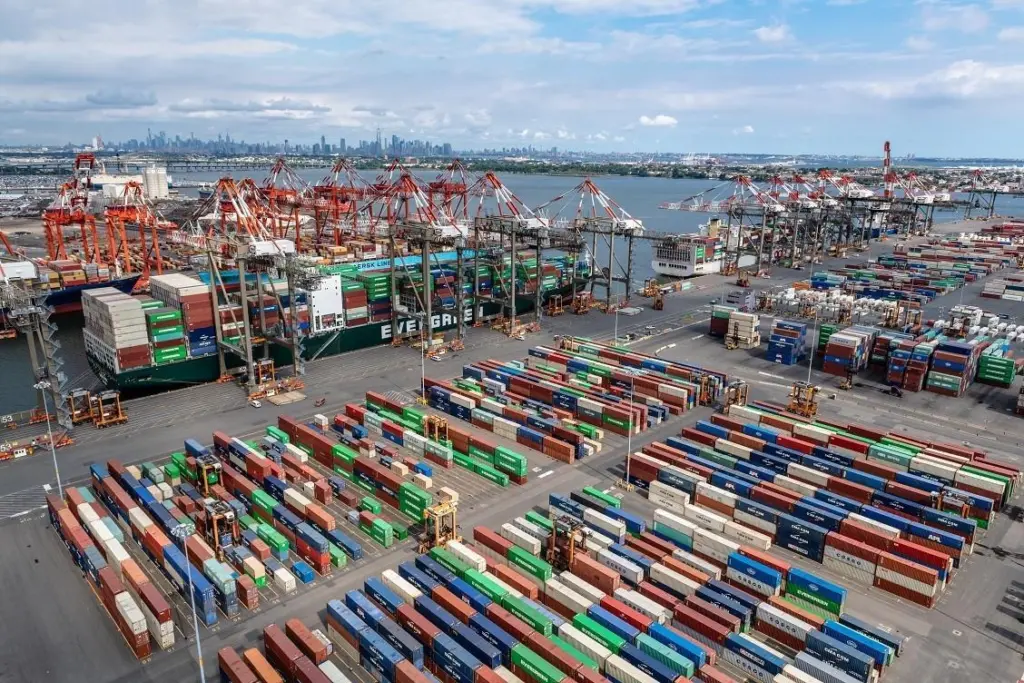
In a letter sent to House and Senate appropriators, AAPA and every donor and energy port warned that eliminating Section 102 and 2106 funding from the Harbor Maintenance Trust Fund (HMTF) would strip over US$1 billion in direct investment from American ports during the remainder of the Trump administration.
The coalition stressed that these cuts threaten national security, supply chain resilience and US energy exports – with the ability to stay competitive in the global market.
“It is our strongest hope that we can work together to correct this misstep and ensure these funds are available and utilized for their Congressionally intended purpose to carry out the WRDA 2020, Section 102 program at donor and energy transfer ports,” the signatories wrote.
At risk
The appeal follows the FY2025 Army Corps Work Plan’s removal of Section 102 funding despite explicit congressional direction in the FY2024 Energy & Water conference report.
Even more concerning, the FY2026 budget request again excludes this critical investment, placing essential port infrastructure projects, such as seismic upgrades, dock rehabilitation, slope stabilisation and berth dredging, squarely at risk.
The coalition said that Section 102 of the Water Resources Development Act of 2020 was designed to ensure fair allocation of Harbor Maintenance Tax revenues, particularly to donor and energy ports that historically contributed about 50% of collections but received less than 2% back.
This provision delivered US$332 million in FY2024 for expanded-use projects, marking a historic breakthrough in equitable port funding.
The coalition is calling for US$417.6 million in HMTF allocations for donor and energy ports and US$62 million in general fund support to safeguard the future of America’s port infrastructure.
AAPA said it is fully committed to aggressively advocating for the restoration of critical port funding.
Related Articles
 ENERGY & TECHNOLOGY GREENPORT
 ALTERNATIVE FUELS GREENPORT
 ENERGY & TECHNOLOGY GREENPORT