![GreenPort[PortStrategy]](https://www.portstrategy.com/greenport/wp-content/uploads/sites/4/2026/09/GreenPortPortStrategy.svg)
ZEPA reports back on port electrification boost
The Zero Emission Port Alliance (ZEPA) has marked its first anniversary by releasing three pivotal reports addressing port electrification, port sustainability, and operational efficiency.
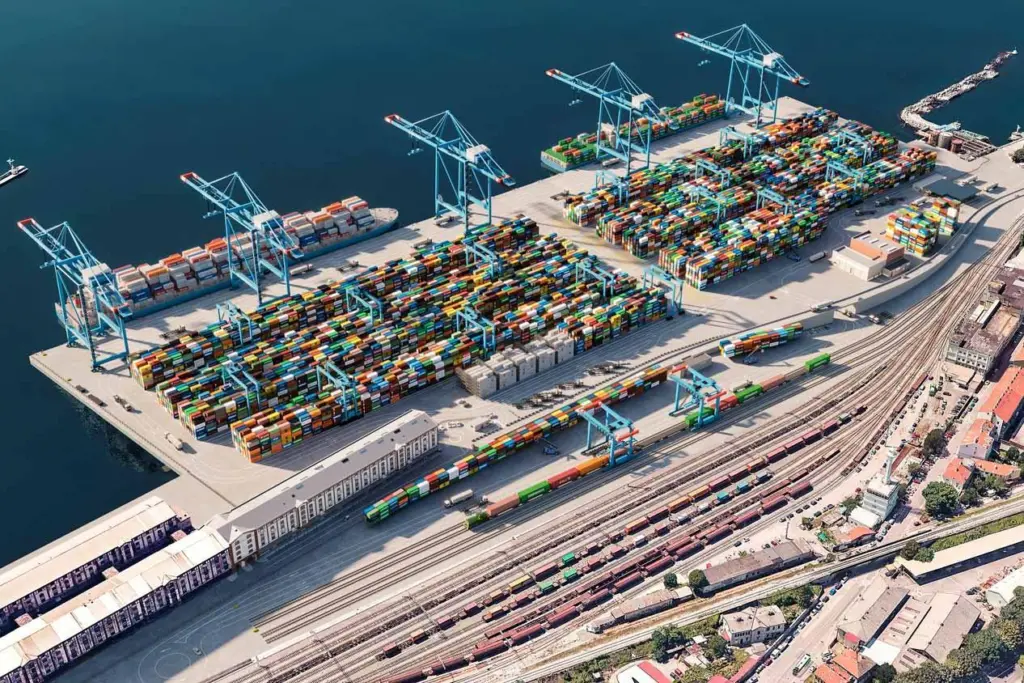
These insights focus on boosting battery-electric container handling equipment (BE-CHE) adoption, standardising equipment design, and upgrading port power infrastructure.
The findings predict a dramatic surge in BE-CHE demand by 2035, with ZEPA members expecting battery-electric equipment to dominate new purchases. ,
“ZEPA’s success lies in building a collaborative ecosystem to make electric equipment the norm by the end of this decade,”. said Sahar Rashidbeigi, global head of decarbonisation at APM Terminals.
Electrification enhances operational efficiency, reduces emissions, and improves working environments.”
Equipment guidelines
The alliance also introduced the ZEPA 2024 Voluntary Standards, a set of open guidelines co-developed with industry stakeholders to ensure cost-effective, interoperable solutions for terminal tractors and straddle carriers.
These standards aim to overcome market inefficiencies and accelerate sustainable transitions.
Furthermore, ZEPA’s third report underscores the critical need for upgrading grid capacity to support electrified port operations. It advocates collaborative efforts between port authorities, terminal operators and grid managers to manage rising electricity demand efficiently.
Recommendations include flexible load management and infrastructure investment, supported by ZEPA’s Port Electrification Toolkit.
ZEPA’s achievements reflect unprecedented industry alignment, uniting the likes of APM Terminals, DP World and the Port of Rotterdam. The collaboration aims to highlight the transformative role of port electrification in shaping sustainable, zero-emission operations.
The collaboration’s newest member is Wireless EV charging pioneer, InductEV.
Related Articles
 ENERGY & TECHNOLOGY GREENPORT
 ALTERNATIVE FUELS GREENPORT
 ENERGY & TECHNOLOGY GREENPORT