![GreenPort[PortStrategy]](https://www.portstrategy.com/greenport/wp-content/uploads/sites/4/2026/09/GreenPortPortStrategy.svg)

Automation issues
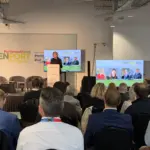
Automation was a hot topic at this year’s TOC Europe, which took place in the port city of Rotterdam last week.
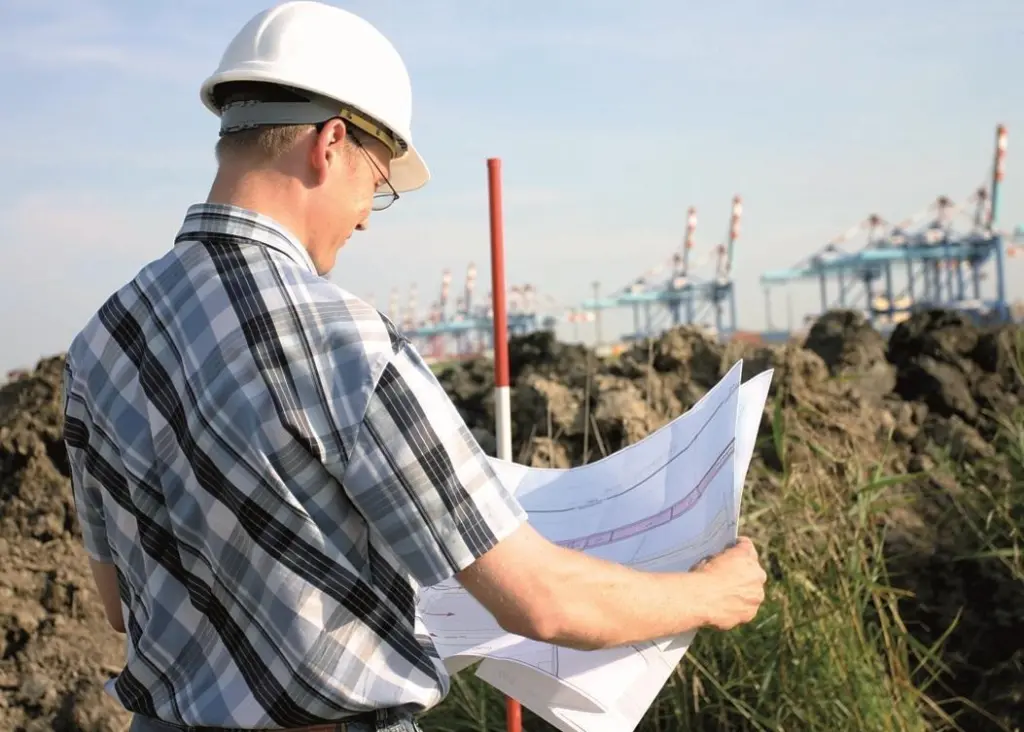
A panel discussion at the event highlighted the issues of exception handling, skill sets of operatives, integration and latency in automated container terminals.
TBA managing director Yvo Saanen described exception handling as “one of the areas where we need to do a lot of work”. He suggested that queuing jobs offered one solution to the problem.
Mr Saanen continued by explaining that people management and sourcing in automated terminals can be a “very underestimated task”.
“Typically people have difficulty in adopting processes to work in an automated system,” he said. “It’s something you cannot underestimate when you switch to automated processes.” He added that to get the most out of an automated system, a terminal may need to bring in new people.
Navis product manager Oscar Pernia agreed with this sentiment. “The profiles are changing,” he said. “People have to have proactive analysis tools – it is more of an IT approach and totally different.”
There was also an active discussion on the different interfaces between technology at work on an automated terminal with a lack of standardisation blamed for slower reaction times.
Mr Pernia said that the industry needs to “figure out the gap between planning and execution”, but conceded that the problem is how to integrate and overcome an inherent delay from a broken platform that the software provider does not own.
ISL Applications managing director Holger Schutt added: “We do have to think about these interfaces. If we have standards between different modules and a clearer architecture it should be a lot easier to change things.”
Related Articles
 EQUIPMENT