![GreenPort[PortStrategy]](https://www.portstrategy.com/greenport/wp-content/uploads/sites/4/2026/09/GreenPortPortStrategy.svg)

Broadening scope for berths
Port planning in emerging markets may be given a different slant with the development of a mooring analysis programme which allows for berthing in more exposed areas.
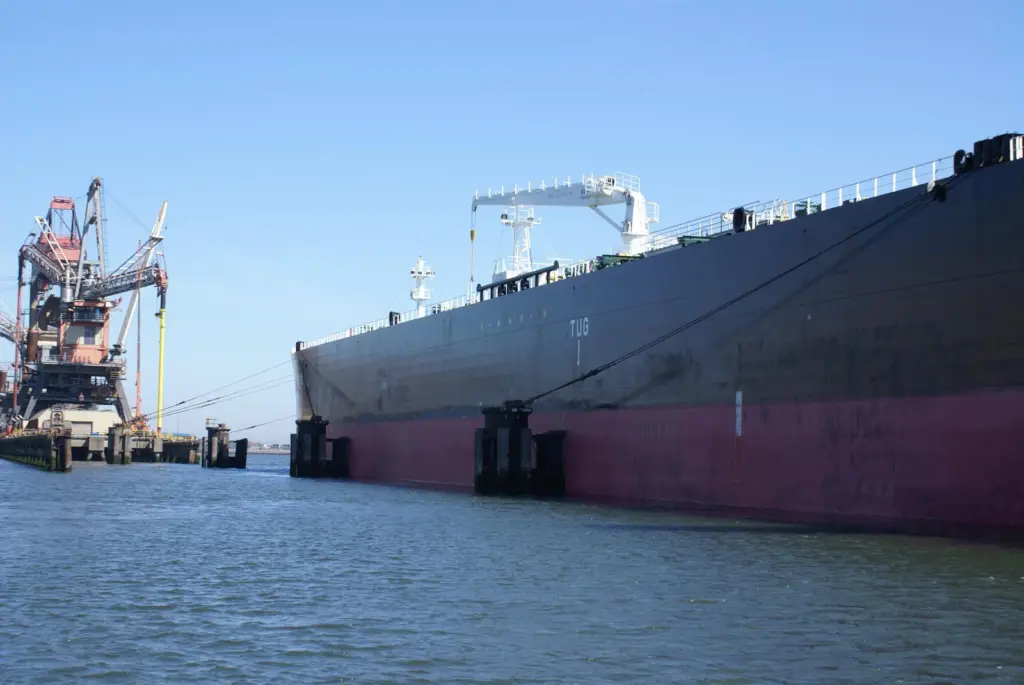
It revolves around an existing system, called Optimoor, which is to benefit from co-operation between BMT Argoss and Tension Technology International (TTI) to make it suitable for larger wave heights.
David Hurdle of BMT Argoss told Port Strategy that what makes this development particularly useful is that there is a growing tendency to put terminals in exposed areas, under much heavier environmental conditions.
Not only does this follow on from the push for deeper water, it also has relevance for port operations in emerging markets. “Certain bulk cargos, like minerals, are being exported from a rising number of differing locations around the world, and these places don’t necessarily have an infrastructure developed enough to truck the bulk in to a big, well established port,” Mr Hurdle explains. Inland haulage is a large part of the expense and minimising this section of the journey cuts costs.
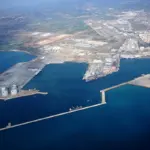
Not only does being able to calculate how you could best utilise a local seaport give these kinds of operations an economic leg up, it can also tell port planners what advantage large scale civil works like building a breakwater will really give to operations.
Related Articles
 EQUIPMENT