![GreenPort[PortStrategy]](https://www.portstrategy.com/greenport/wp-content/uploads/sites/4/2026/09/GreenPortPortStrategy.svg)
Energy efficiency top of the agenda
In the first meeting of a new European energy efficiency project a number of developments were agreed upon that aim to push the port industry towards more efficient operational models.
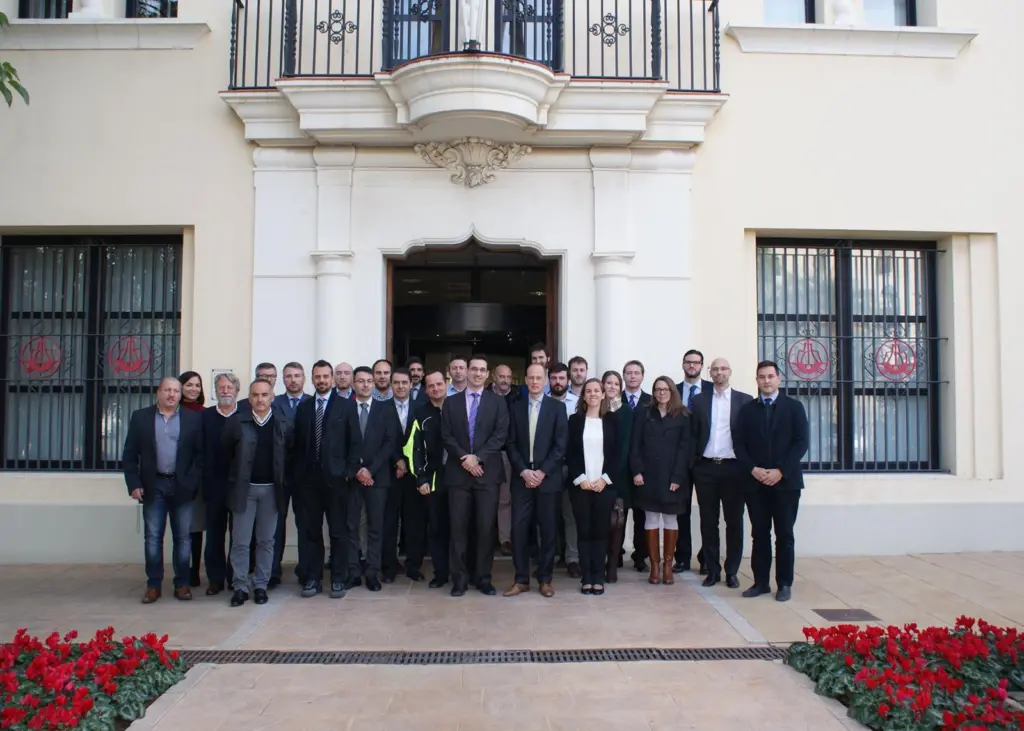
The ‘Smart, Energy Efficient and Adaptive Port Terminals – SEA TERMINALS’ project begins by looking at the lessons learned from the ‘Greencranes’ project, the results of which have shown that the efficient management of energy use and that the use of alternative fuels is viable and can generate significant benefits at all levels in port container terminals.
SEA TERMINALS’ main aim is to develop a series of viable eco-efficient alternatives. For this, proposals will be made to introduce 100% electrical terminal tractors and hybrid RTGs and develop prototypes of terminal tractors, reach stackers, empty container handlers and RTG patio cranes based on the use of LNG as a fuel.
In addition, the project will look to develop a real-time operational management model that minimises existing bottleneck in the operations of terminals by assigning different operational modes, like eco, turbo and standby, to the equipment involved. This platform, termed the SEAMS Platform, will be capable of receiving live information from equipment and form the terminal operating system (TOS), therefore calculating the best mode of operation for each type of equipment at any given time.
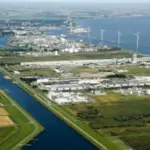
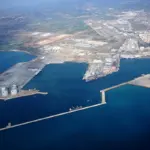
Pilot schemes will be implemented in the ports of Valencia and Livorno.
The project is co-financed by the European Union through the TEN-T programme and leans on the coordination of the Valenciaport Foundation.
Other partners include the Port Authority of Livorno, Global Service, Percro, Noatum, Amplia Soluciones, Instituto Tecnologico de la Energia, Terberg, NACCO/Hyster and EDAE.
Related Articles
 EQUIPMENT
 EQUIPMENT