![GreenPort[PortStrategy]](https://www.portstrategy.com/greenport/wp-content/uploads/sites/4/2026/09/GreenPortPortStrategy.svg)


Barometer indicates positive signs for Baltic port economy
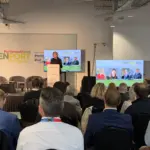
The 12th Baltic Ports Conference held in Aarhus, Denmark in September concludes that despite the impact of the economic downturn, positive signs are beginning to show although the recovery ahead will be slow
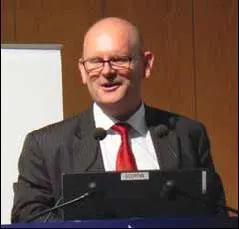
Prospects for the Baltic Sea Ports in 2010 with respect to the recession were discussed and the latest Baltic Port Barometer report conducted by the Centre of Maritime Studies (CMS) and the BPO was presented. The report concludes that there are positive signs for the Baltic Sea area, but the recovery of the economy will be slow. The majority of the Baltic ports expect to see some – or even strong – growth in cargo volumes in 2010 with the greatest increase expected in the container sector. There are also new activities which are becoming more attractive to ports; one such activity is the logistics chain of windmills. “It is a new, niche segment for the port business but has very high potential for development” explained Army Pedersen from Siemens Wind Power.
Helge Pedersen, Chief Economist from Nordea Bank agreed that the situation for ports will get better. This assumption comes from the fact that the manufacturing sector is improving: PMI factor is increasing in the US, Europe and Japan. There are also the first signs that the world trade has started to recover. Philip Damas from Drewry Shipping Consultants emphasises that ports are no longer just a modal transfer point but Staffan Herlin from Finnlines explains that although combined intermodal transports are gaining a stronger foothold, temporary deviations from the vision of becoming a Baltic hub are apparent. It is explained that shipping companies, shippers, forwarders and ports currently have conflicting short term goals. Philip Damas suggests that the second stage of recession and recovery will allow for a more structural approach to cost actions.
Areas of uncertainty remain and the future for the Baltic hub is still somewhat uncertain. To leave the recession behind the network must be constantly maintained and expanded whilst commercial feeders need to show flexibility in cooperation. Jesper Kristensen CEO of Unifeeder explained that “Baltic ports must realise that the vision for a hub in the Baltic has in fact been postponed”.
New BPO strategy approved
A new BPO strategy was approved which focuses on the initiatives promoting the “Baltic maritime highway” as the way to move cargo and passengers from/to the world through the Baltic ports. The main objective for BPO is to improve the competitiveness of maritime transport in the Baltic region by increasing the efficiency of ports, marketing the Baltic region as the strategic logistics centre, improving the infrastructure within the ports and the connection to other modes of transport. BPO will support entrepreneurs, ideas, visions and initiatives that contribute to the overall transport developments in the Baltic Sea Region; promoting environmental management in the ports, and taking an active role in
Related Articles
 ENERGY & TECHNOLOGY GREENPORT
 ALTERNATIVE FUELS GREENPORT
 ALTERNATIVE FUELS GREENPORT