![GreenPort[PortStrategy]](https://www.portstrategy.com/greenport/wp-content/uploads/sites/4/2026/09/GreenPortPortStrategy.svg)

BPO discusses new marine fuel regulations
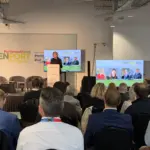
Forty representatives from Baltic ports, shipping lines and maritime administrations gathered on 19 January at a BPO seminar in Copenhagen to share their various opinions on the consequences of IMO’s new marine fuel sulphur regulations.
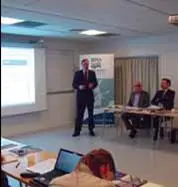
BPO will now work on its position on this matter. New sulphur regulations for marine fuel separate SECA (Sulphur Emission Control Area) from other EU countries. For the EU countries outside SECA the limits amount to 4.5%, which is the maximum today and has to decrease to 3.5% from 2010. From 2020 the sulphur limits shall drop to 0.5%, if feasible, otherwise from 2025. The regulations are different for countries within SECA (the area includes the English Channel, North Sea and Baltic Sea). The limits amount to a maximum 1.5% today, 1% from July 2010 and only 0.1% from 2015. The attendees of the seminar discussed their influence on the environment, costs of such regulations in relation to maritime shipping and the competitiveness of the Baltic region in comparison to other EU regions. The future situation on the maritime transport market was also under discussion. BPO organised the seminar to hear the opinions of market representatives as well as their different points of view and shall soon state its position. Companies attending included: Baltic Ports, Associated Danish Ports, BPO, ESPO, Scandlines, Stena Line, Copenhagen Malmo Port, Danish Maritime Authority, Danish Ports, Danish Shipowners’ Association, DFDS, Finnish Maritime Administration, Finnish Port Association, Finnish Shipowners’ Association, Hamburg Port Authority. Presentations from the meeting can be found at www.bpoports.com
Related Articles
 ENERGY & TECHNOLOGY GREENPORT
 ALTERNATIVE FUELS GREENPORT
 ALTERNATIVE FUELS GREENPORT