![GreenPort[PortStrategy]](https://www.portstrategy.com/greenport/wp-content/uploads/sites/4/2026/09/GreenPortPortStrategy.svg)
EXCLUSIVE: Historic Valletta revamp supports greener cruise
Valletta Cruise Port is regenerating its Grand Harbour and implementing a range of infrastructure projects to secure its future as a sustainable cruise destination, writes Michele Witthaus.
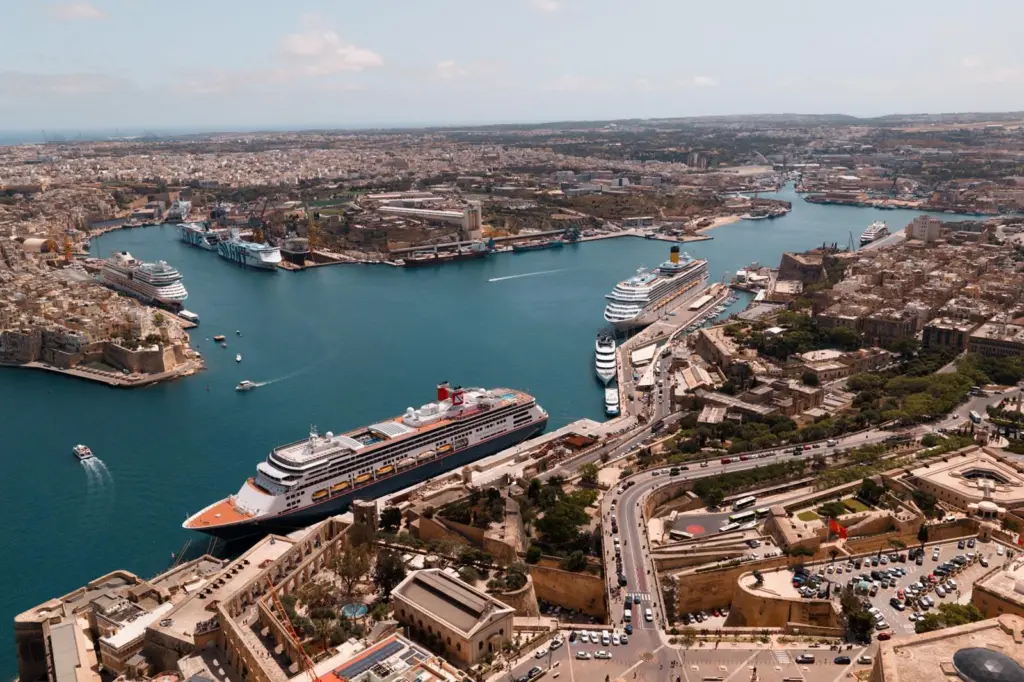
Located within a UNESCO World Heritage setting and surrounded by residential communities, Valletta Cruise Port is no stranger to the need to balance economic growth with environmental stewardship and social responsibility.
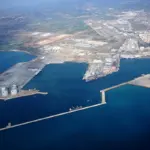
Over the past two decades, the port has invested in restoring and repurposing the historic maritime infrastructure of Valletta’s Grand Harbour, transforming formerly underutilised areas into vibrant waterfront destinations while preserving their historical character.
“The regeneration is one of the most significant waterfront transformation projects in the Mediterranean and continues to evolve successfully,” says Stephen Xuereb, COO of Global Ports Holding and CEO of Valletta Cruise Port.
“This ongoing regeneration extends beyond cruise operations and encompasses the wider harbour ecosystem, including heritage restoration, public realm improvements, commercial development and environmental enhancements.”
Shore power connection
One of the principal challenges of the ongoing developments in the Grand Harbour has been reducing emissions and noise generated by cruise ships while they are berthed there.
“The growing adoption of shore power by leading cruise operators is a significant development for both Valletta Cruise Port and the wider Grand Harbour community.”
“This was addressed through investment by the Maltese Government with the implementation of shore-to-ship power infrastructure, enabling vessels to switch off their auxiliary engines and connect directly to the national electricity grid,” says Mr Xuereb.
“We are particularly encouraged by the increasing number of cruise lines that are investing in shore power compatibility and actively utilising the system during their calls in Valletta. This significantly improves local air quality and reduces noise pollution, benefitting both residents and visitors. We are supportive of Government’s vision in finding a balance between maritime needs and the social and leisure sectors. It demonstrates a shared commitment between ports and operators to advance sustainable cruising.”
Since starting commercial operations, the shore power system has delivered tangible environmental and operational benefits, with over 100 calls making use of it and more than 20 vessels obtaining their Class Certification while connected to it. A Power Purchase Agreement helps Valletta Cruise Port increase investment, diversification, improve reputation and increase compliance, while controlling costs and achieving sustainability targets.
“From an environmental perspective, the introduction of shore power infrastructure represents a major step forward,” says Mr Xuereb.
“Together with improved operational practices and investments in sustainable technologies, these initiatives contribute to cleaner air, lower emissions and a more sustainable harbour environment. The result is a destination that is not only more attractive to cruise guests and operators but also more beneficial to the communities that live and work around the harbour.”
In addition to the option to plug in to the shore power system during calls, vessels visiting Valletta Cruise Port have access to a comprehensive range of services and facilities. These include efficient waste management and reception services, water supply, environmental compliance support and highly coordinated port operations that minimise turnaround times and optimise resource use.
The planned restoration and redevelopment of the historic Power Station building represents another important step in the long-term vision for the Grand Harbour. “This project is about preserving an important part of Malta’s industrial heritage and giving new purpose to a landmark building in a highly strategic location,” says Mr Xuereb.
“By sensitively transforming this underutilised asset into a mixed-use destination comprising a boutique hotel, premium offices, retail and food and beverage concepts, we are enhancing the attractiveness of the wider waterfront area while creating new economic opportunities and enriching the visitor experience. The project reflects our commitment to sustainable destination development, where heritage preservation, quality tourism and long-term value creation go hand in hand.”
Managing environmental risk
Environmental risk management forms an integral part of Valletta Cruise Port’s operational framework. Mr Xuereb explains: “Our approach is based on identifying, assessing and mitigating environmental risks across all aspects of port activity. This includes monitoring operational impacts, ensuring regulatory compliance, implementing preventive measures and continuously reviewing performance against sustainability objectives.
“The system supports responsible management of energy consumption, waste streams, water resources and environmental incidents, while also helping to strengthen resilience against emerging risks associated with climate change and evolving regulatory requirements.”
He emphasises that environmental risk management is not viewed as a standalone function but is embedded within the port’s broader ESG strategy. “Through continuous improvement, staff engagement, stakeholder collaboration and regular performance reviews, we are able to enhance environmental outcomes while maintaining high operational standards.”
Looking to the economic future for Valletta Cruise Port, Mr Xuereb says that the challenge is to sustain growth while maintaining quality. “Rather than simply pursuing higher passenger volumes, we are focused on attracting high-value cruise business, extending tourism benefits throughout the year, and investing in infrastructure that enhances both operational efficiency and visitor experience. Our objective is to ensure that cruise tourism remains a sustainable contributor to Malta’s economy for decades to come.”
This requires adapting to changes in the nature of cruise tourism itself: “We are seeing a growing shift within the cruise industry towards boutique and luxury cruising, and this is a segment that aligns particularly well with Malta’s offering. Today’s discerning travellers are increasingly seeking authentic, immersive and personalised experiences rather than traditional mass tourism.”
”Smaller luxury vessels bring guests who are interested in Malta’s culture, heritage, gastronomy and local communities, often looking for bespoke experiences that take them beyond the typical tourist routes. This trend supports our broader sustainability objectives, as it allows us to generate greater economic value while managing visitor flows responsibly.”
“Our strategy is therefore focused not simply on increasing passenger numbers, but on attracting quality cruise business that enhances the visitor experience, supports local enterprises and contributes to the long-term sustainability of both Valletta Cruise Port and Malta as a destination.”
Social benefits
The social impacts of cruise tourism are a key area of focus, to ensure that cruise tourism delivers tangible benefits to the local community. “We continue to collaborate closely with government entities, tourism stakeholders, local councils and community organisations to promote responsible tourism, preserve cultural heritage and create employment opportunities,” says Mr Xuereb.
“Social responsibility is embedded in the way we operate and engage with our community. Over the years, we have supported a range of initiatives focused on improving the lives of vulnerable children and families, contributing to healthcare and medical research, promoting wellbeing and social inclusion, and encouraging employee volunteering.”
He adds that these activities help ensure that the benefits generated by cruise tourism are shared more broadly across society.
Mr Xuereb says that he views partnership as fundamental to ensure that cruise tourism supports the broader development objectives of Malta.
“Our collaborative efforts focus on dispersing visitor flows, promoting authentic cultural experiences, encouraging off-peak visitation and supporting local enterprises. We also engage regularly with community stakeholders to ensure that tourism growth remains aligned with residents’ expectations and quality-of-life considerations.”
Valletta Cruise Port also supports initiatives that promote environmental awareness, heritage preservation and social responsibility. “Through coordinated planning and shared investment, we aim to create a tourism model that delivers economic value while protecting Malta’s cultural and natural assets.”
He adds that, as part of the wider Global Ports Holding network, the port is able to leverage international best practices and sustainability expertise, helping position Valletta as a leading example of responsible cruise tourism in the Mediterranean.
“Ultimately, our goal is to ensure that Valletta Cruise Port remains a benchmark for sustainable cruise tourism, delivering economic, environmental and social benefits for Malta while providing an outstanding experience for cruise guests and operators alike.”
Related Articles
 ENERGY & TECHNOLOGY GREENPORT
 ALTERNATIVE FUELS GREENPORT
 ALTERNATIVE FUELS GREENPORT