![GreenPort[PortStrategy]](https://www.portstrategy.com/greenport/wp-content/uploads/sites/4/2026/09/GreenPortPortStrategy.svg)


‘Fit for 55’ criticism
The boss of a European port is calling for a review of Europe’s Emission Trading System (ETS), arguing that current proposals will not help reduce CO2 emissions.
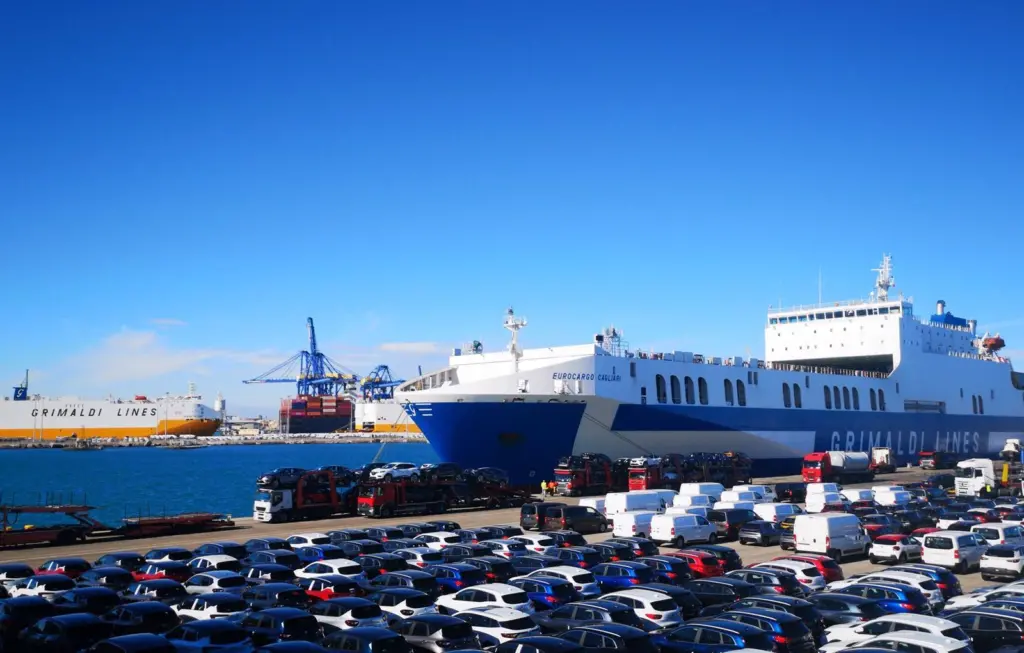
The EU’s ‘Fit for 55’ package envisages that maritime transport should be included in the ETS, suggesting that shipping companies will pay 100% emission rights for journeys between EU ports and 50% for journeys to and from the EU.
The chair of the Port Authority of Valencia, Aurelio Martínez, says that current plans will have a ‘null impact’ on the overall reduction of emissions from shipping and may even worsen the situation. Moreover, it may lead to a reduction in activity and therefore the competitiveness of European exports.
Shifting the problem elsewhere
In a report, Aurelio Martínez argues that, whilst the Port of Valencia supports the objectives of the programme, proposals as they stand will not solve the problem, merely shift it elsewhere. “The objective of decarbonisation will not be achieved as there will be carbon leakage from ships that will go to environmental havens in non-EU ports,” he says.
He uses the example of a crossing between Shanghai and Valencia. “If on the crossing the boat calls at any of the non-member ports in the Mediterranean, the shipowner does not have to pay a penny for what has been spent and emitted during this part of the crossing, which is by far the longest.”
To avoid these costs, shipping companies will make a call elsewhere, for example Tangier, before continuing to Valencia, he argues, adding that CO2 emissions may even rise because of increased journey distances and the possible use of smaller boats to carry cargo.
Other effects of the policy highlighted in the report include fewer direct lines, increasing costs for exporters and reducing trade flow.
Possible alternatives
Valenciaport is working with the Port Authorities, Puertos del Estado and the European Sea Ports Organisation, on alternative proposals, such as extending the deadline for the introduction of the tax or the inclusion of neighbouring non-EU transhipment ports.
Related Articles
 ENERGY & TECHNOLOGY GREENPORT
 ALTERNATIVE FUELS GREENPORT
 ALTERNATIVE FUELS GREENPORT