![GreenPort[PortStrategy]](https://www.portstrategy.com/greenport/wp-content/uploads/sites/4/2026/09/GreenPortPortStrategy.svg)
Stockholm eyes EU onshore power funding
Ports of Stockholm and its stakeholders have been given the green light to apply for EU funding with a major focus on the development of electricity infrastructure.
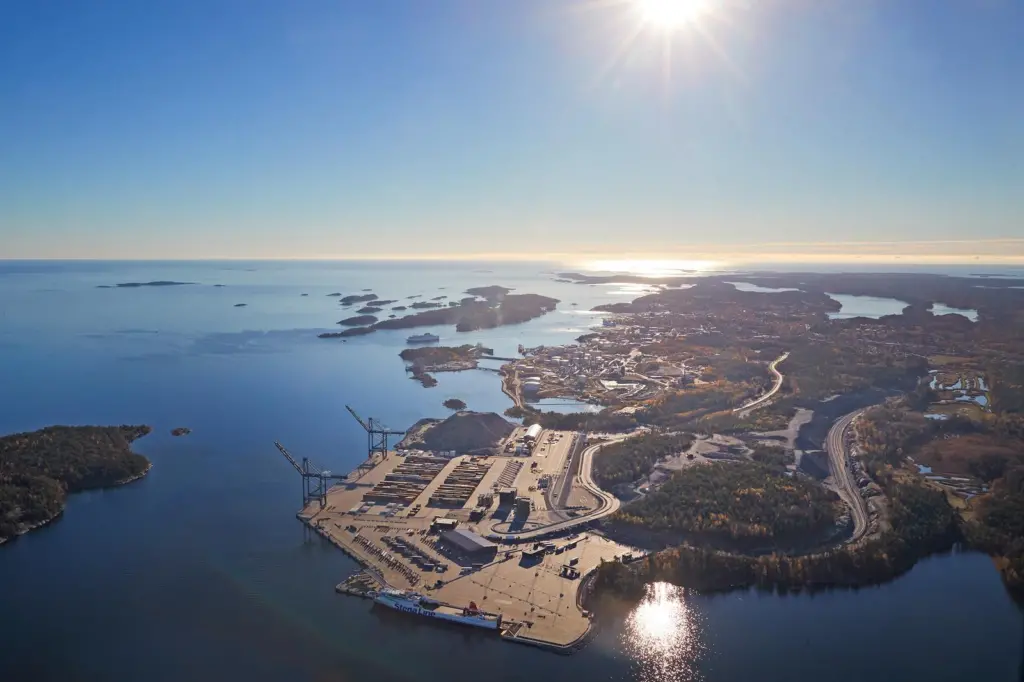
The aim is to secure EU Connecting Europe Facility (CEF) funding for projects which include increasing onshore power connections at Ports of Stockholm and other ports.
“Together with other ports and stakeholders, we want to enable the rapid and safe expansion of onshore power connections for vessels at the quayside throughout the entire Baltic Sea region,” said Jens Holm, Chair of the Board of Ports of Stockholm.
“This positive decision from the Swedish Government shows the increased electrification of the transport sector, with a focus on shipping, is a prioritised area. This expansion will result in a greater ability to meet our own and the EU environmental goals.”
Strategic goal
One of the projects being submitted for funding is the shore-side electricity supply for container ships in TEN-T ports of the North and Baltic Sea.
In addition to Ports of Stockholm, the collaboration also involves the ports in Gothenburg, Århus, Bremerhaven, Oslo and Hamburg, as well as the Danish container shipping company Unifeeder.
A second project aims to accelerate and ensure the development of onshore power supply in the Baltic Sea region.
Ports of Stockholm will focus on pilot studies of onshore power development at the Värtahamnen, Frihamnen and Stadsgården Ports. But the collaboration includes six other TEN-T core ports: Klaipėda, Riga, Tallinn, Hamburg, Gdynia and Gdańsk.
Lastly, the operator is seeking funding for a project to upgrade of the Motorways of the Sea (MOS) connection between Stockholm-Riga with a goal to reduce the climate impact of the passenger terminals.
If the projects are awarded EU funding, they will run between 2024 and 2026, at the latest.
Related Articles
 ENERGY & TECHNOLOGY GREENPORT
 ALTERNATIVE FUELS GREENPORT
 ALTERNATIVE FUELS GREENPORT