![GreenPort[PortStrategy]](https://www.portstrategy.com/greenport/wp-content/uploads/sites/4/2026/09/GreenPortPortStrategy.svg)

BPA chairman calls for trade facilitation
Trade facilitation, port zones and transport connectivity should be central pillars of the UK government’s post-Brexit trade and transport strategies, said Rodney Lunn, chairman of British Ports Association (BPA).

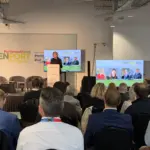
Speaking at the BPA’s annual lunch in London, Mr Lunn suggested that ports could play a vital role in driving regional and national economies, but added that the government must provide the right policy and regulatory framework and explore investment options for better connecting ports with national networks.
He said: “Ports are highly entrepreneurial. They continue to invest in infrastructure, equipment and their people all at no cost to the government. It is vital that the government agrees to a post-Brexit customs strategy that does not create lorry parks on roads leading to ro-ro ports such as Dover, Portsmouth and Holyhead.”
Post-Brexit, he said that the BPA will be pushing for the EU Port Services Regulation to be repealed: “It is unwanted and unnecessary, and also let’s look properly at the customs free trade proposals for ports,” he said.
“If UK ports are going to compete with their European counterparts, the government must push forward with our ‘port zones’ concept to fast track planning decisions and limit the impacts of environmental designations.
“Ports have strong green credentials but Marine Conservation Zones and Special Protection Areas in ports will only hamper port development. With the right conditions ports can grow the economy and push regions forward.”
Mr Lunn concluded that it is “vital” that following this stocktaking exercise the government invests in good road and rail connections to all ports to ensure that the UK has efficient links for goods and passengers to help the economy compete.
Related Articles
 EUROPE
 ALTERNATIVE FUELS GREENPORT