![GreenPort[PortStrategy]](https://www.portstrategy.com/greenport/wp-content/uploads/sites/4/2026/09/GreenPortPortStrategy.svg)

Breaking the barriers to co-operation
If you are looking at a large infrastructure project, it is all too easy to fall into the somewhat stereotyped roles and slightly adversarial stance that can exist between contractors, consultants, stakeholders and project owners.
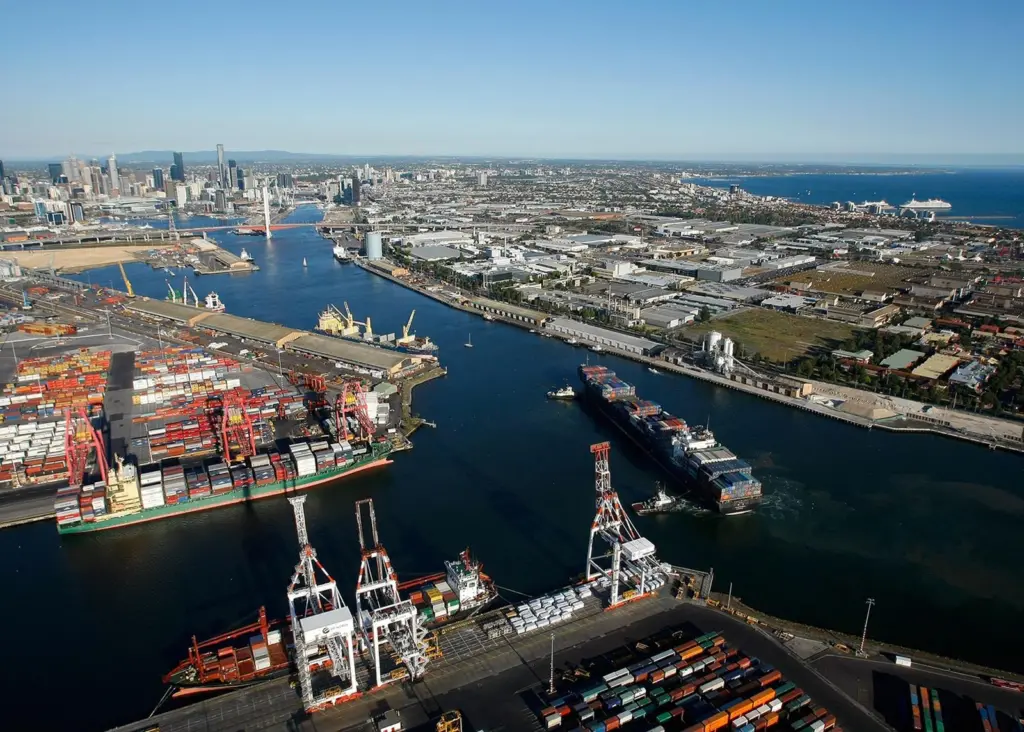
However, this often means missed opportunities for both cost and environmental savings according to both René Kolman of the International Association of Dredging Companies (IADC) and Anna Csiti of the Central Dredging Association (CEDA).
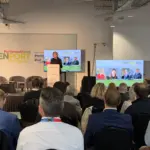
The Forum on Early Contractor Involvement (being held in the Hilton London Docklands, 23 – 24 June) will, according to both associations, be looking to tackle some of the barriers to good communication.
Daphne Broerse of Norton Rose LLP, who will be speaking at the forum, suggests that by holding onto old-fashioned preconceptions the opportunity for further development of roles and contractual arrangements are stymied and the idea of antagonistic parties is perpetuated, despite the parties having the same goals.
Conversely, if there is acknowledgement that these parties are not natural opponents but should be partners, not only can procurement costs be minimised but major disruptions can be avoided.
A case in point comes from the Port of Melbourne, which, despite having done thorough Environmental Effect Statements and five months of trial dredging, still found protestors in kayaks, banners on the beach and a Supreme Court legal challenge waiting for them. However, on a basis of “contractual partnering” the port was able to utilise the expertise of the contractor in technical and dredging plan modifications, plus post-dredging video surveys that demonstrated clearly that the impact of the work fell within expectations.
Related Articles
 EUROPE
 ALTERNATIVE FUELS GREENPORT