![GreenPort[PortStrategy]](https://www.portstrategy.com/greenport/wp-content/uploads/sites/4/2026/09/GreenPortPortStrategy.svg)
Environmental challenges addressed
Topics including ship’s waste and port development were recurrent at GreenPort Congress, writes Dr Chris F Wooldridge.
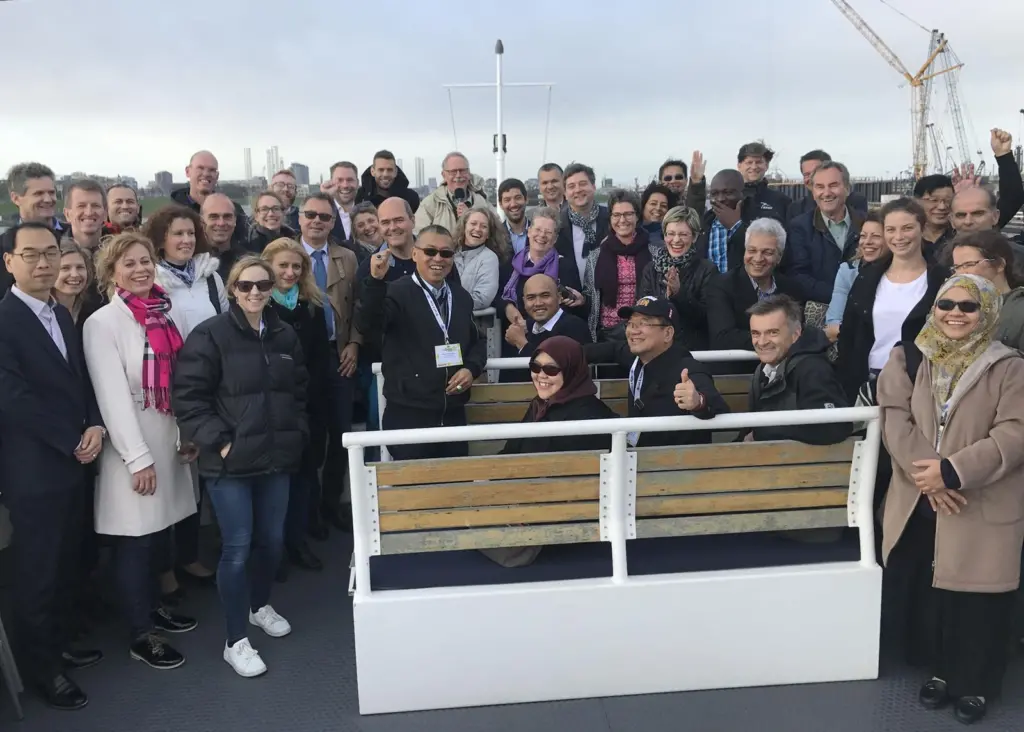
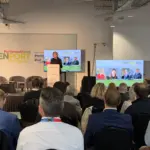
A particular strength of this year’s Congress was the wide range perspectives taken into account as the interactive programme keenly encouraged exchange of views and opinions between, and amongst, presenters and delegates.
There was overwhelming consensus that positive stakeholder engagement, clear programmes of communication and collaborative action based on effective partnerships were essential for the practicable transformation of policy into practice throughout the sector.
Access to data
In turn, features of competition, transparency, quality and access to data and information and the all-important protocol for decision-making were flagged time-and-again as operational experience of delegates was fed into the discussion sessions.
The need for on-going innovation in terms of strategies and technologies was flagged clearly particularly with respect to climate change, energy consumption and the overall objectives of sustainable development.
Indeed, it was widely acknowledged that change, in its widest definition from revolution to transformation will continue to pervade all aspects of the port sector from policy to practice.
Good practice
The GreenPort Congress demonstrated many examples of good practice currently being applied by the port sector as it works to achieve continuing improvement of environmental management through voluntary, self-regulation based on the premises of compliance, cost and risk reduction, environmental protection and sustainable development.
The European Sea Port Organisation’s own ‘EcoPorts’ concept of a network of port professionals (in conjunction with industry and academia) exchanging knowledge and experience on environmental management was established twenty years ago (an event celebrated at this year’s Congress) and continues to deliver practicable tools and methodologies for ports wishing to implement effective Environmental Management Systems (www.ecoports.com).
The GreenPort Congress maintained the ethos of the network by facilitating the exchange of knowledge and experience in a vibrant and sociable manner. It provided a vivid insight into the actions that port authorities are taking to be catalysts for sustainability, and acknowledged the role of delegates as ambassadors for innovation in the demanding world of applied port activities and operations.
Looking ahead
Delegates ended with an inspiring video presented by R. Earl Lewis, Deputy Secretary, Planning and Enterprise Services, from the Maryland Department of Transportation, Baltimore USA, the destination for GreenPort Congress Americas in May 2018.
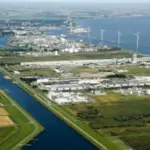
On the last day, delegates were treated to a tour of the new sea lock being constructed at the entrance of the North Sea Canal at Ijmuiden, that will provide access to the Amsterdam Port region.
From the end of 2019, Port of Amsterdam will be home to a new, large sea lock, 500 metres long, 70 metres wide and 18 metres deep, when completed it will be the largest sea lock in the world.
Downloads of all the Congress material will be available shortly from www.greenport.com/congress For more information contact the events team on +44 (0) 1329 825335 or email congress@greenport.com
Dr Wooldridge is an Honorary Research Fellow at Cardiff University, UK
Related Articles
 GREENPORT CONGRESS GREENPORT
 ENERGY & TECHNOLOGY GREENPORT
 GREENPORT CONGRESS GREENPORT