![GreenPort[PortStrategy]](https://www.portstrategy.com/greenport/wp-content/uploads/sites/4/2026/09/GreenPortPortStrategy.svg)


Automation project targets capacity increase
Container terminal automation work at a New Zealand port will be complete within six months.
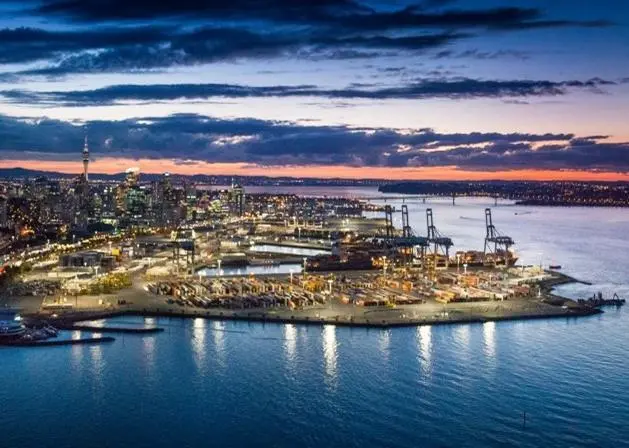
Automation will go live at the Ports of Auckland’s (POAL) facilities in two phases: the northern part of the terminal late March and the southern area two-three months later. Once automation is fully live, POAL’s terminal capacity will rise from around 900,000 TEU a year to around 1.7 million TEU.
Announcing POAL’s half-year interim results for the six months ended 31 December 2019, Ports of Auckland chief executive, Tony Gibson, said the worst disruption to operations as a result of the project was over. “We largely completed infrastructure work for terminal automation this period, enabling some capacity to be returned to terminal operations.”
The anticipated capacity is enough to handle the freight needs of a million more people in Auckland and should last until the middle of the century, he said. “If necessary, beyond this date further changes to the port layout and greater levels of automation could deliver enough capacity for an Auckland population of around 5 million people.”
Automation testing and preparation is going well, he said. POAL now testing the new terminal operating software using live terminal data. Staff training is ongoing and truck drivers are also being trained in the new processes.
Although the most disruptive period of the automation project is now over and the 2019 import peak did not see the same level of congestion or delay that was seen in 2018, container volumes were down 2% on the year prior as a result of the loss of two service calls, a service change and a high number of vessels arriving out of schedule.
Container volumes have also been affected by challenges in sourcing staff, meaning POAL hasn’t always had the resources to enable it to meet customer demand. However, this is expected to ease once automation is fully delivered.
POAL is currently working towards delivering its 30-year master plan and meeting its 2040 zero emission goal.