![GreenPort[PortStrategy]](https://www.portstrategy.com/greenport/wp-content/uploads/sites/4/2026/09/GreenPortPortStrategy.svg)


Electric RTGs set new benchmark in Estonia
HHLA TK Estonia will introduce Konecranes battery-powered RTG cranes at Muuga, advancing port electrification across its operations.
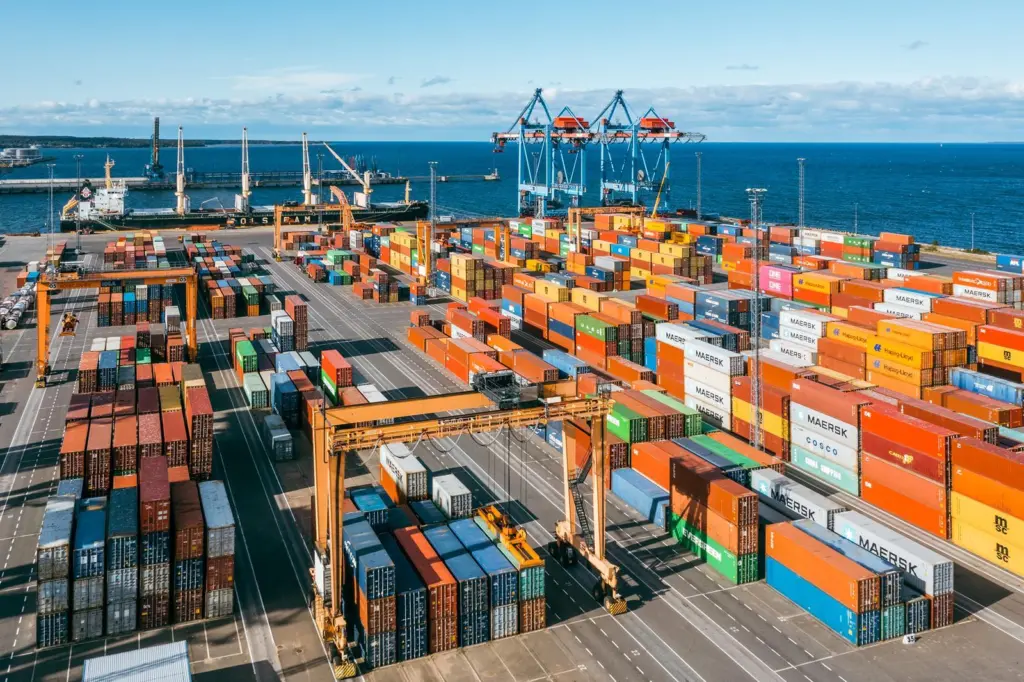
This marks the first European introduction of RTGs with this type of battery capacity, signalling a broader shift towards scalable, zero-emission cargo handling solutions across HHLA’s container terminals.
“Our terminal in Muuga follows a long-term sustainability strategy that we are implementing step by step,” said Riia Sillave, CEO of HHLA TK Estonia.
“This investment marks an important milestone in the development of battery-powered equipment at European container terminals and supports our efforts to modernise operations while further reducing emissions.”
Wider investment
The initiative forms part of broader investments in energy-efficient infrastructure, with each unit equipped with a 296 kWh battery capable of up to eight hours of continuous use.
This deployment represents a significant step in port electrification, replacing conventional diesel-powered RTGs with electric port equipment that cuts both emissions and noise.
The cranes’ ability to operate independently of grid connections for an entire shift also enhances operational resilience, particularly in high-demand yard environments.
Tanel Ringo, technology and infrastructure manager at HHLA TK Estonia, highlighted the benefits of fleet consistency and regional engineering advantages to these cranes, noting alignment with existing equipment.
Philipp Reiter of Konecranes’ emphasised that this contract is a good example of how battery technology is transitioning from a supplementary solution to a primary power source for terminal operations.
The terminal operator said it will deploy the battery powered cranes by the end of 2026.
Related Articles
 ENERGY & TECHNOLOGY GREENPORT
 ENERGY & TECHNOLOGY GREENPORT
 PRODUCTS & SERVICES GREENPORT