![GreenPort[PortStrategy]](https://www.portstrategy.com/greenport/wp-content/uploads/sites/4/2026/09/GreenPortPortStrategy.svg)


EXCLUSIVE: Maximising the efficiency of cargo handling
Electric-driven pump systems have emerged as a practical alternative to traditional hydraulic pump systems, giving operators a clear route to lower emissions, writes Shingo Iwamura, chief strategy officer, MarFlex.
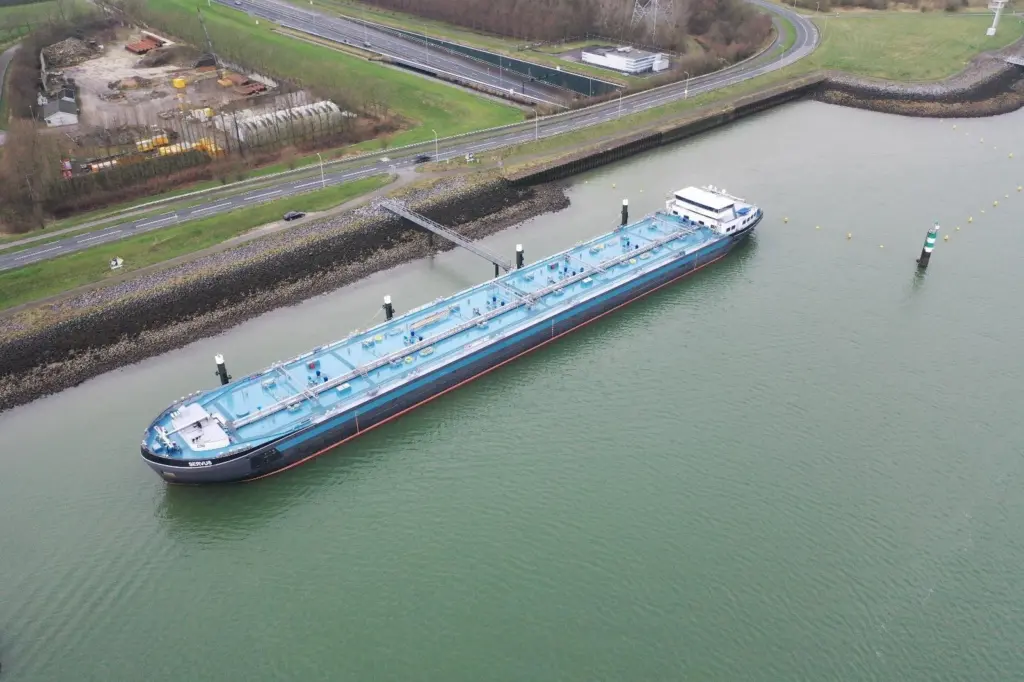
One area with substantial, but often overlooked potential to unlock efficiency increases for port operators is the electrification of cargo handling, more specifically electric driven pump systems.
Traditional hydraulic pump systems have served the industry for decades, but at a growing operational and environmental cost. High-pressure oil lines, constant energy draw and frequent maintenance are increasingly at odds with regulatory and port authority expectations.
Electric-driven pump systems have emerged as a practical alternative, offering a clear route to lower emissions, improved turnaround times and compliance with evolving frameworks such as the EU ETS and FuelEU Maritime.
Recognising this, classification society DNV now formally recommends electric-driven cargo pumps with integrated frequency drives and monitoring systems as a key energy efficiency measure to reduce greenhouse gas emissions and support smarter cargo operations.
Smart systems
These systems aren’t just greener, they’re smarter. When combined with digital control, automation and real-time performance monitoring, electric cargo pumps become part of a digital ecosystem that enables preventive maintenance and avoids cavitation.
They also support more accurate tracking of vessel emissions and cargo cycle durations, reduce unnecessary energy use and enhance crew and port safety.
Importantly, electric smart pumping technologies offer particular value at the vessel-port interface, where operational efficiency and emissions reduction are key. By optimising pump activity in real time, vessels can reduce discharge time and energy consumption while alongside – significantly lowering emissions during port stays.
When paired with shore power, smart pumping further minimises onboard energy use during cargo handling, directly supporting port electrification and air quality goals.
Optional features such as automatic tank loading based on predefined levels further reduce the likelihood of human error, faults and operational delays, simplifying coordination between crew and terminal staff – a key advantage for terminal operators who are having to manage ever tightening turnaround schedules.
Energy savings
Based on operational data collected across multiple vessel types, switching to electric-driven pumps typically reduces energy use by 15 to 20%, with performance-optimised smart systems achieving even greater savings.
In one case, MarFlex’s Smart Pumping technology delivered over 45% energy savings during peak operations. Using live data collection and crew feedback, the system optimised performance to avoid cavitation and improve flow, increasing the “Operational Excellence” zone to up to 85% of total runtime – a nearly 400% improvement that would not have been achievable with conventional systems.
These capabilities are especially relevant as ports and charterers face stricter limits on emissions, noise and discharge times. Combined with near-silent operation (as low as 75 to 83 dB), electric-driven systems help meet environmental targets while also enabling overnight cargo handling where previously restricted.
While smart pumping is delivering measurable results onboard, its integration with wider port operations holds significant untapped potential – from energy-efficient unloading to real-time optimisation of pump usage across multiple terminals. As interest in connected port infrastructure and digital energy management grows, systems like smart pumping could play a foundational role in enabling dynamic, data-driven cargo transfer strategies across the full port ecosystem.
For crew, transitioning from hydraulic to electric systems requires no change in workflow. Operational familiarity is retained while performance advances: energy is only consumed during use, noise and vibration are significantly reduced and the risk of high-pressure oil leaks is eliminated.
The result is a safer, simpler working environment for both onboard and shore personnel. With digital twin functionality, operators gain long-term visibility into cargo operations, enabling smarter decisions at the fleet and terminal level.
Operational agility
As retrofits and newbuilds are increasingly scrutinised for lifecycle emissions and compliance readiness, the case for modernising cargo handling has never been stronger. With over 1,500 MarFlex electric-driven systems installed globally and further adoption expected in 2025, momentum is building. Importantly, the design prioritises operational continuity and interoperability, making upgrades manageable and crew-friendly for both retrofits and newbuilds.
MarFlex also supports portside infrastructure directly through specialised pump systems, including drainage solutions used for rainwater management on large storage tanks at facilities like Teamterminal. In addition, our lightweight, portable submersible pumps offer versatile support in a range of portside scenarios – from cargo transfer and ballast operations to emergency response and even firefighting applications.
By 2030, large container and passenger ships will be required to use shore-side electricity when berthed at TEN-T core and comprehensive ports under FuelEU Maritime, while in Los Angeles, shore power usage is already enforced under the CARB At-Berth regulation. As more ports implement mandatory zero-emission requirements during berthing, vessel systems must be capable of integrating seamlessly with onshore power infrastructure.
Electric-driven cargo pumps with integrated frequency drives and monitoring systems are well aligned with shore power initiatives like these, enabling cleaner operations during port stays and supporting wider port decarbonisation strategies. Together, these examples demonstrate how specialised pumps can contribute to cleaner, more compliant, and operationally resilient terminal operations beyond core cargo discharge.
For ports working to cut emissions while enhancing operational agility, smarter cargo handling is no longer ‘nice to have’ – it’s an essential part of the wider decarbonisation puzzle. Technologies like smart pumping offer the data, performance and environmental compliance today’s ports increasingly demand.
The future of cargo handling and portside sustainability more broadly, is not just about what fuel we burn, but how we manage every tonne of cargo, every kilowatt of energy, and every operational decision. With electric-driven systems already in the water, real progress doesn’t have to wait.
Related Articles
 ENERGY & TECHNOLOGY GREENPORT
 ENERGY & TECHNOLOGY GREENPORT
 PRODUCTS & SERVICES GREENPORT