




Helsinki’s net zero emissions milestone
Port of Helsinki reported zero port emissions in 2025, advancing its own decarbonisation goals and driving down port emissions across Baltic port operations.
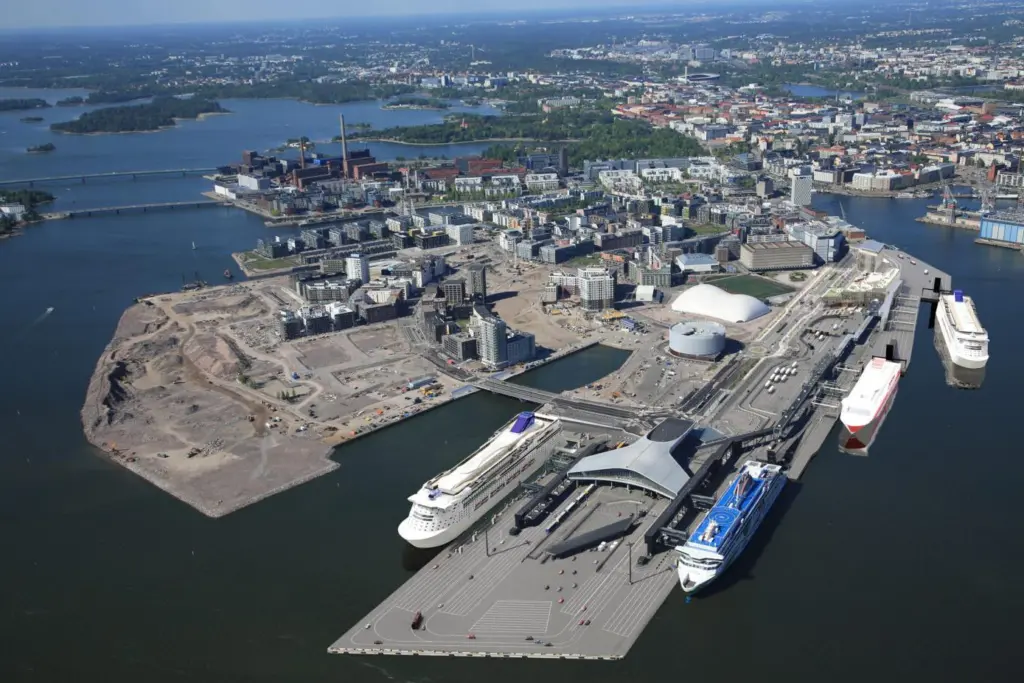
The port’s annual report outlines how it prioritised port sustainability throughout 2025, combining operational continuity with long-term infrastructure planning.
Helsinki achieved carbon-free purchased energy and implemented emissions compensation measures, while progressing harbour centralisation projects to support a more sustainable society.
“An important milestone in responsibility was reached as the company’s own air emissions were reduced to zero,” the report states, underscoring a significant step forward in port sustainability and climate accountability.
Decarbonisation milestone
The port’s initiatives position the port among leading Baltic ports addressing tightening environmental requirements across Europe.
A key focus of the report is the elimination of port emissions from the company’s own operations, supported by sustained energy efficiency measures and procurement of carbon-free energy.
Further measures included compensating emissions from business travel, vehicles and machinery through voluntary offsets sourced from Finnish reforestation projects.
It’s an integrated approach reflects a broader strategy to manage residual port emissions while transitioning core operations toward low-carbon alternatives.
Alongside sustainability efforts, infrastructure development continued, with harbour centralisation moving into implementation.
The demolition of the West Harbour’s T1 terminal was completed and quay extension works commenced in August, while city approval for a port tunnel detailed plan marked another milestone.
The report highlights how Baltic ports such as Helsinki are aligning infrastructure investment with environmental performance, reinforcing port sustainability as a central pillar of future port development strategies.
Related Articles
 ENERGY & TECHNOLOGY GREENPORT
 ENERGY & TECHNOLOGY GREENPORT
 PRODUCTS & SERVICES GREENPORT