![GreenPort[PortStrategy]](https://www.portstrategy.com/greenport/wp-content/uploads/sites/4/2026/09/GreenPortPortStrategy.svg)





New tech brings smart port and ship data together
A new product links sleek ship-management operations with a comprehensive data platform, to drive up efficiency and reduce emissions for both ports and ship operators.
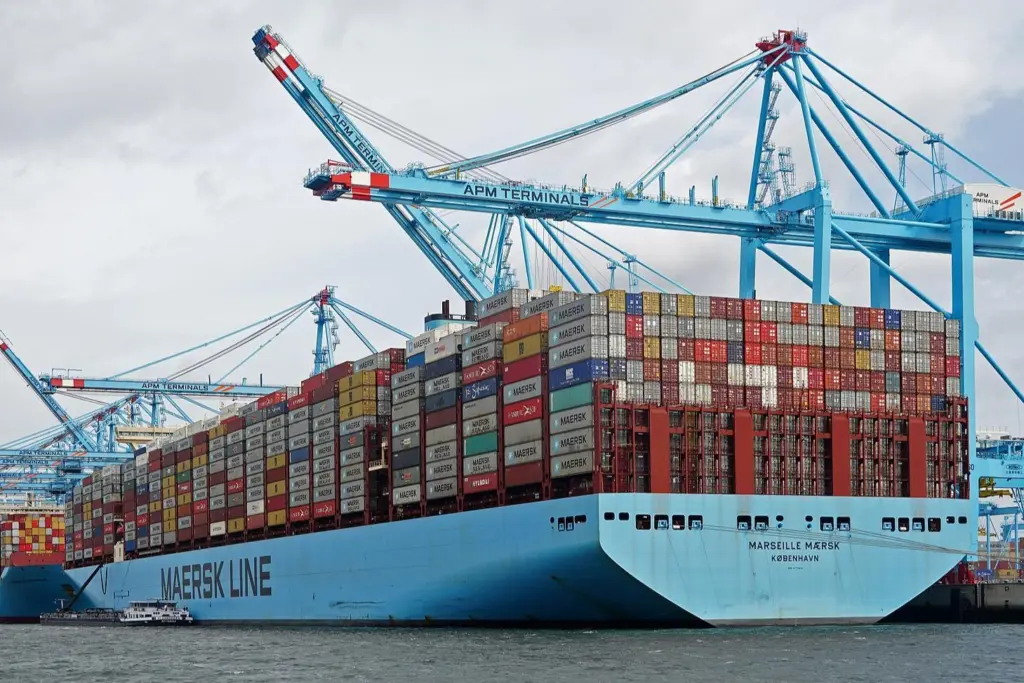
Port State Control (PSC) Submission API is a result of a collaboration between RightShip, NYK and Solverminds, which links NiBiKi, the NYK Group’s common platform for ship-management operations, with RightShip’s data platform.
“The PSC Submissions API is a simple but important innovation, designed to address a significant issue for ship managers: the inefficient system that requires them to manually pass data through separate systems,” said Christopher Saunders, chief product officer at RightShip.
”Our API can drastically improve workflow for ship owners and managers – allowing them to make quicker and better decisions during their pursuit of zero harm operations.”
Efficiency benchmark
Initially launched on RightShip’s e-commerce platform RightSTORE, the new technology is designed to share data across both RightShip’s and NYK’s platforms.
The product integrates a ship manager’s ERP system directly into the RightShip platform using an API data flow. This can save hundreds of man hours of manual data entry and significantly improve efficiency across ship management groups of all sizes.
PSC API enables users to instantly submit and receive PSC inspection and deficiency data without the need to switch between separate platforms.
It also enhances transparency within a ship manager’s workflow by giving users full visibility over their pending PSC deficiencies. This enables them to make quick, informed decisions.
The new technology will compliment RightShip’s portfolio of tools available to shippers and ports designed to help them lower their carbon footprint and meet sustainability goals.
The GHG Rating, for example, gives ports and terminals a quick way to assess the emission profile of a vessel calling at their port and to develop strategies to reduce total emissions produced during daily operations.
Port operators use the tool to measure a vessel’s relative efficiency and upgrade their sustainability programmes, reduce emissions in and around their ports and strengthen their market position.
Related Articles
 ENERGY & TECHNOLOGY GREENPORT
 ENERGY & TECHNOLOGY GREENPORT
 PRODUCTS & SERVICES GREENPORT