


New tools transform port emissions management
PortXchange is expanding its emissions platform to help ports forecast environmental impacts and plan smarter decarbonisation investments
Ports are being offered new tools to move beyond emissions reporting and make better-informed environmental investment decisions, as PortXchange expands its EmissionInsider platform.
The developments respond to growing demand from ports for more practical emissions intelligence, including forecasting, scenario modelling and AI-assisted decarbonisation planning.
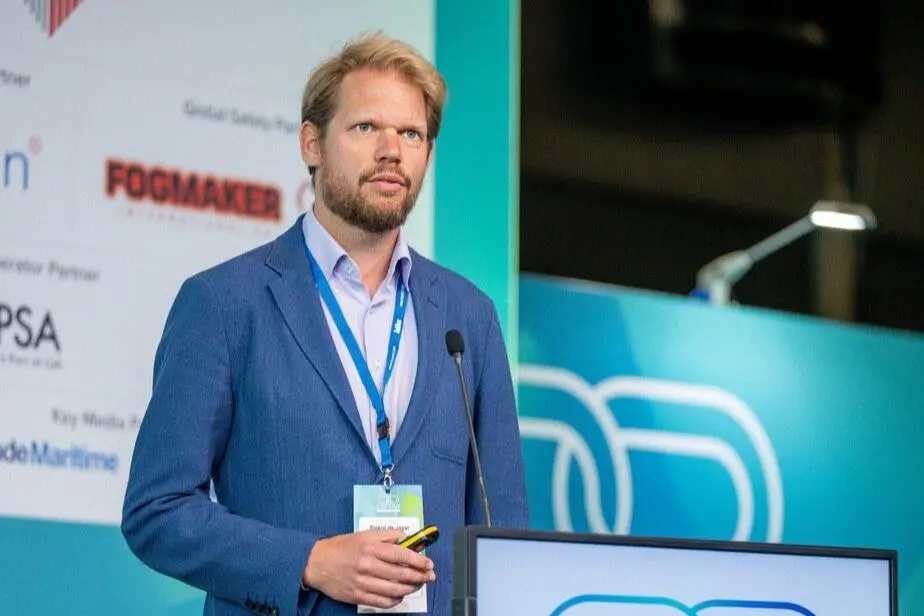
PortXchange managing director and co-founder Sjoerd de Jager said the industry needed to treat emissions reporting as the beginning rather than the end of environmental management.
“Ports have become much better at measuring emissions, but measuring them doesn’t make them disappear,” he said. “Ports need to know where they can make a difference, what it will cost and whether their plans will actually reduce emissions.”
The expanded platform will bring together four connected products: Emission Report, Emission Dashboard, Emission Simulations and Emission Strategy.
New multimodal monitoring capabilities will extend emissions analysis beyond vessels to include trucks, rail movements and cargo-handling equipment, providing a more comprehensive picture of port environmental performance.
Eugene Sypachev, PortXchange’s head of engineering, said closer collaboration between sustainability and operational teams was essential.
“In most ports today, sustainability and operations run as separate conversations,” he said. “We want to give people across the port a clearer picture of operational activity and its emissions consequences.”
Forecasting tools will help ports anticipate emissions changes caused by weather disruptions, vessel schedules and increased waiting times. Simulation capabilities will allow operators to assess potential investments, including shore power, equipment electrification and vessel speed restrictions.
De Jager said: “Ports are under pressure to spend millions on decarbonisation, but how many can confidently say which investments will make the biggest difference? They need evidence before the money is spent.”
The AI-assisted Emission Strategy product will help ports identify priorities based on their individual operations, emissions profiles and environmental targets.
The new capabilities will be introduced progressively, with modular configurations allowing ports to select tools suited to their resources and decarbonisation ambitions.
Related Articles
 PRODUCTS & SERVICES GREENPORT
 ENERGY & TECHNOLOGY GREENPORT
 ENERGY & TECHNOLOGY GREENPORT