![GreenPort[PortStrategy]](https://www.portstrategy.com/greenport/wp-content/uploads/sites/4/2026/09/GreenPortPortStrategy.svg)


African port development will mitigate flooding
Renovation works have commenced at Bujumbura port in Burundi which will also have environmental benefits, writes Shem Oirere.
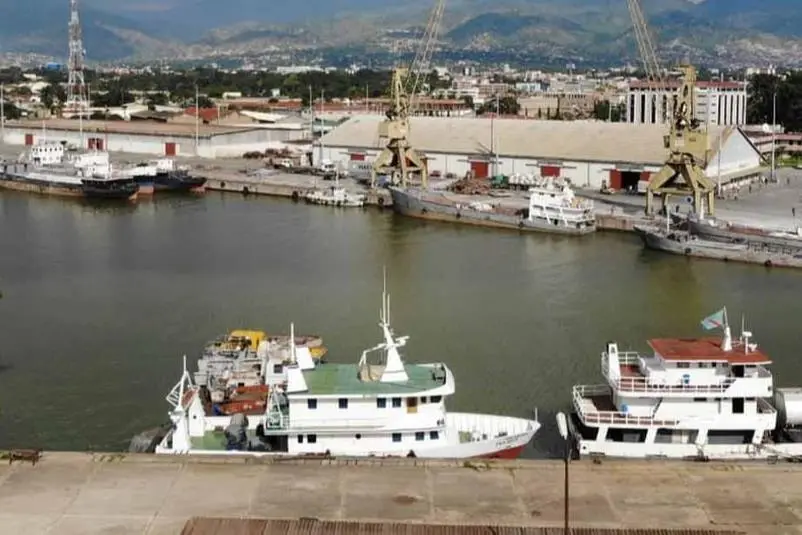
The expectation is that the works, part of the Lake Tanganyika Transport Corridor Development Project (LTTCDP), will have trickle-down benefits to tackle the effects of climate change, including the lake’s fast-rising water level.
The two-year US$ million renovation works are being financed by the European Union and the African Development Bank Group (AfDB) and the first phase of the LTTCDP includes dredging works.
Port modernisation
Modernisation of the Bujumbura port, the biggest in Burundi and on Lake Tanganyika, will boost the country’s transport infrastructure and help exploit the potential of the lake as a navigable inland waterway, according to a project brief by AfDB.
The renovation works of Bujumbura Port, which was built in the 1950s, will include the construction a rubble-mound breakwater on the southern tip of the port to protect the port basin.
This phase will be preceded by the dismantling of the remaining 100 metres of the south pile pier as well as the existing 110-metre rock-filled dyke.
The dredging works will have another benefit as it will pave way for the construction of the dyke and the installation of the services of the National Navy on either side of the south pier.
Furthermore, the dredging will support the operations of a RO-RO quay at the Bujumbura port.
During the dredging works, the AfDB project brief says the contractor will deploy appropriate modern dredging techniques and equipment, including measures to contain sediment piles to reduce the turbidity and pollution of water.
Moreover, the dredging will be limited to periods when lake waters are very calm.
No figures have been given on the amount of material to be dredged and how it will be utilised or disposed.
“This project will help free up the region’s untapped potential in terms of multimodal transport and support affordable, environmentally friendly maritime transport between provinces in the north of Zambia and Burundi,” says Ms Marie Chantal Nijimbere, Burundi’s Minister of Trade, Transport, Industry and Tourism.
Troubled waters
Although the modernisation of Bujumbura port targets improvement of regional connectivity and trade among the countries that border Lake Tanganyika, the dredging works are also expected to impact the water level trends of the lake, which is the world’s second deepest lake after Lake Baikal in southern Russia.
International Association of Dredging Companies (IADC) recommend dredging to “provide positive, sustainable solutions to mitigate the potential damage caused by rising sea levels and the increase in extreme weather.”
DRedging can also help mitigate rising sea levels and increases in storms which can create life and property-threatening floods.
The lake’s water levels have frequently shot to higher than normal, a trend blamed on increasing levels of CO2 and other greenhouse gases.
In fact in the last two years, Lake Tanganyika’s water levels have reached very dangerous levels, especially during heavy rains triggering floods and avalanche of landslides.
The lake is shared between Burundi, Tanzania, Zambia and the Democratic Republic of the Congo with nearly all of the countries experiencing episodes of floods and landslides.
For example, in March 2021, more than 52,000 people were affected by one of the worst flooding incidents with a UN report saying the “entire fields of crops have been wiped out – a devastating loss of at least a year’s worth of food stocks for many of the more than 90% of Burundians who rely on subsistence farming.”
AfDB’s Country Manager in Burundi, Pascal Yembiline, says the cost reductions generated by renovating of the port of Bujumbura will support the Burundian economy, especially agriculture and transport services.
On the economic front, the Bujumbura port project is expected to enhance Burundi’s economic growth through upgrading of the country’s transport infrastructure and enhancing its competitiveness.
Related Articles
 ALTERNATIVE FUELS GREENPORT
 ENERGY & TECHNOLOGY GREENPORT
 PROJECTS & INITIATIVES GREENPORT