![GreenPort[PortStrategy]](https://www.portstrategy.com/greenport/wp-content/uploads/sites/4/2026/09/GreenPortPortStrategy.svg)
Boskalis to use biofuel on dredging project
Royal Boskalis Westminster is working to reduce CO2 emissions by using sustainable biofuel on its latest renewable energy dredging project.
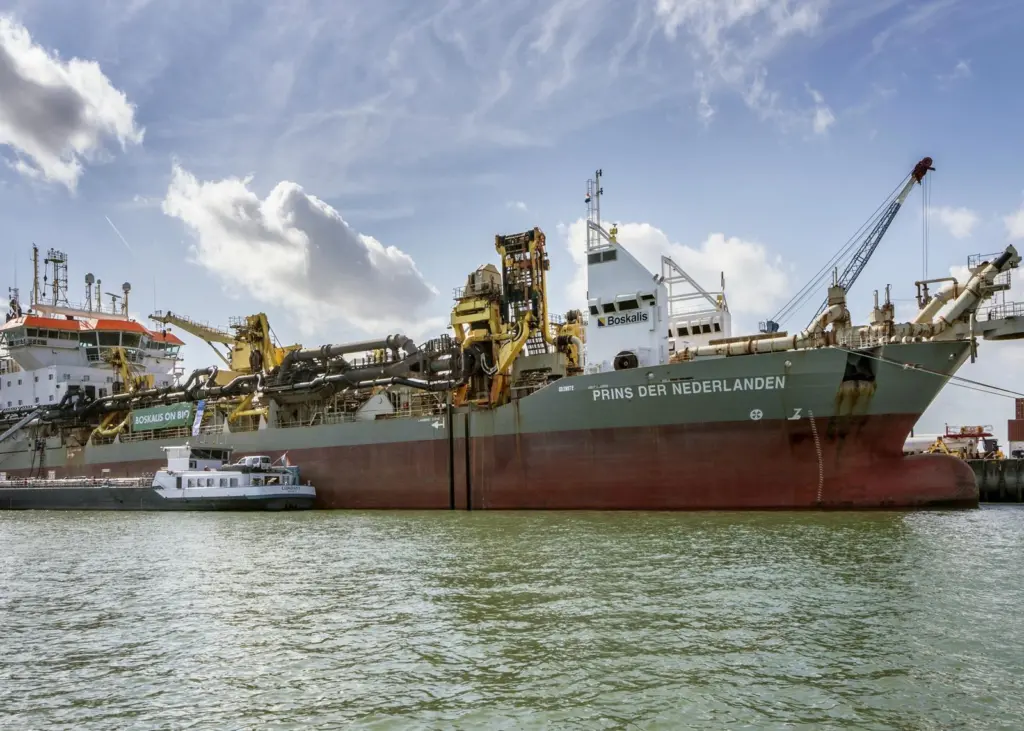
Its vessel, the large trailing suction hopper dredger Prins der Nederlanden, will be powered by a 30% biofuel blend resulting in a substantial CO2 reduction during a project to install the export cable to the Borssele offshore windfarm.
“We take various measures to mitigate or offset the impact of our activities on the environment and we are working towards making our operations climate-neutral by 2025,” said Marco Kuijpers, senior manager Offshore Netherlands at TenneT.
“We warmly applaud Boskalis’ initiative to use a biofuel blend to power its vessels. This results in an even more environmentally conscious approach to a sustainable project like the Borssele offshore grid.”
Sustainable operations
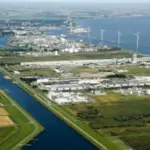
The Borssele Alpha project is being executed on behalf of TenneT and will connect the Borssele offshore grid with the Dutch high-voltage grid.
Using biofuel is one aspect of the ‘Boskalis on Bio’ programme, under the auspices of which, the company recently signed a long-term partnership with biofuel supplier GoodFuels.
The programme is aimed at achieving a 35% reduction in the CO2 emitted by the Boskalis fleet and equipment in the Netherlands in the next five years.
Boskalis said that it has conducted various sea trials which have shown that sustainable biofuels lead to an impressive reduction in CO2 emissions of up to 90% compared to fossil fuels and are also much more effective than alternatives such as LNG.
Previously, on the Marker Wadden project Boskalis performed dredging work for six months using a B50 biofuel blend, consisting of 50% residual products from the paper industry which also resulted in a huge reduction in CO2.
Boskalis now uses this fuel to power not just its vessels but also its dry earthmoving equipment and trucks in the Netherlands.
Related Articles
 ALTERNATIVE FUELS GREENPORT
 ENERGY & TECHNOLOGY GREENPORT
 PROJECTS & INITIATIVES GREENPORT