![GreenPort[PortStrategy]](https://www.portstrategy.com/greenport/wp-content/uploads/sites/4/2026/09/GreenPortPortStrategy.svg)





Cutting haulage miles
Peel Ports has announced that is has secured 50 advocates for its Cargo200 initiative and is urging shippers in the North West of England to join the campaign.
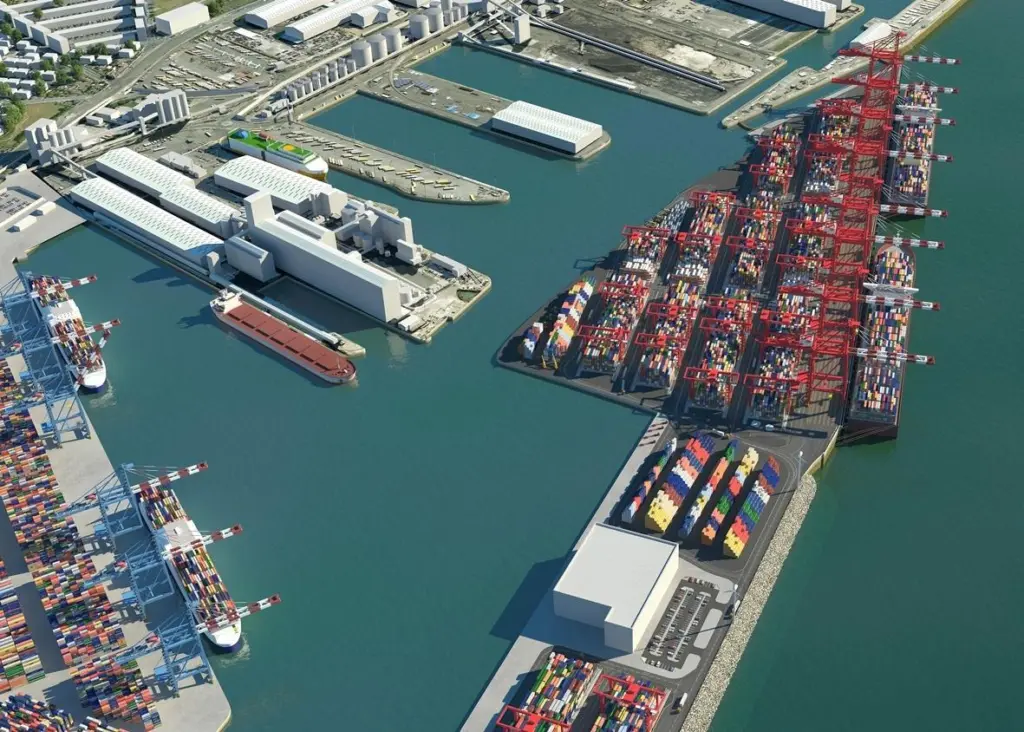
The initiative called for importers and exporters to switch current delivery of ocean freight from south-east ports to the centrally located Port of Liverpool.
It aims to cut freight mileage by 200m miles over the next five years, leading to significant carbon reduction. Peel Ports estimates that this could save shippers up to £400 per container in transportation costs.
Jerome Wildsmith, head of supply chain retailer B&M, said: “Shipping through Liverpool offers B&M massive benefits. By removing four million miles of transport we save significantly in our onward transport costs, reduce the carbon emitted and reduce the likelihood of delays on the UK network.”
He continued: “The first line to offer direct calls into Liverpool on our key shipping routes is likely to benefit in a huge volume gain, not just from B&M, but the many companies like us in the North-West region.”
B&M were among the first 50 customers to respond to the Cargo200 initiative alongside Diageo, JCB, Jaguar Land Rover, Matalan and Typhoo.
“With plants in the West Midlands and in Liverpool, we joined the call to shipping lines and logistics service providers to make better use of the infrastructure in the north of England to shorten supply chains, reduce carbon and improve transport economics,” said Gareth Williams, distribution manager at Jaguar Land Rover.
The campaign has been a success so far and underlines Peel Ports’ efforts to improve the logistics infrastructure and offering in the North-West.
Peel Ports’ commercial director, Patrick Walters, said: “With 50% of demand for all UK cargo coming from the northern half of the UK, including Scotland and Ireland – the Port of Liverpool is strategically important as the most centrally located port in the UK.
He concluded: “We look forward to welcoming further customers from the shipping and UK logistics sector on board. Our next step will be to work with current and new backers on sharing data and carrying out further modelling to reinforce the arguments for shipping via Liverpool.”
Related Articles
 ALTERNATIVE FUELS GREENPORT
 ENERGY & TECHNOLOGY GREENPORT
 PROJECTS & INITIATIVES GREENPORT