![GreenPort[PortStrategy]](https://www.portstrategy.com/greenport/wp-content/uploads/sites/4/2026/09/GreenPortPortStrategy.svg)

EXCLUSIVE: Oakland: The US port that prioritises community
The Port of Oakland is prioritising corporate and social responsibility, focusing on sustainable initiatives and community engagement to build a greener, more resilient future.
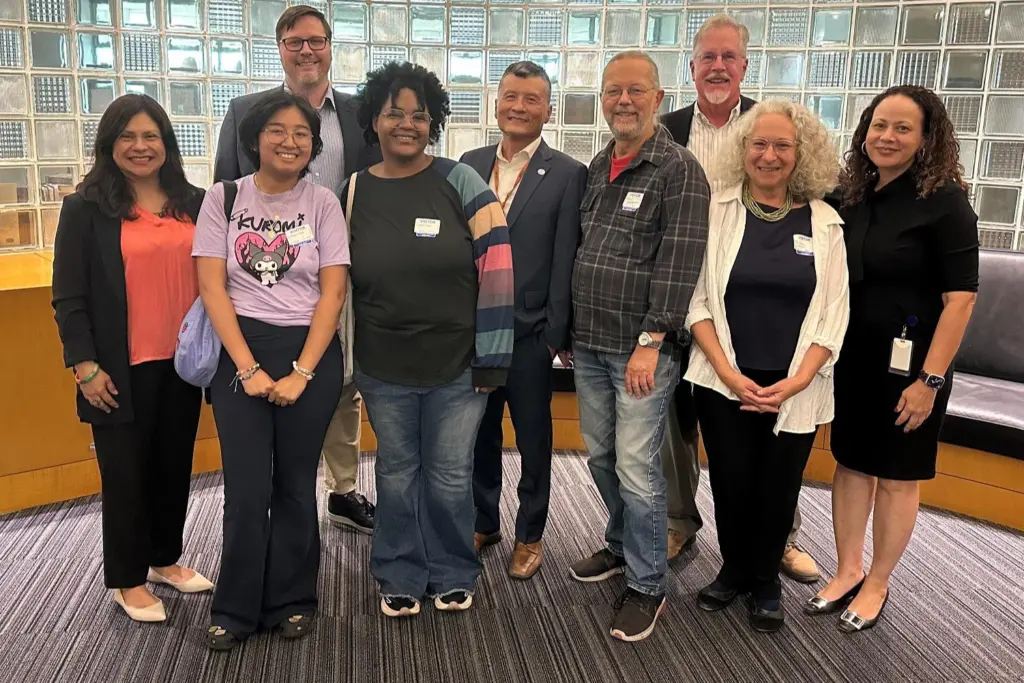
Oakland’s dedication to environmental stewardship and community well-being is central to its operational philosophy, the port tells GreenPort.
Through extensive port planning, the port integrates sustainability into every facet of its operations, ensuring that both environmental and social goals are met. The port’s environmental strategy is built around reducing emissions, improving air quality and fostering collaborative partnerships with stakeholders.
Community grants
At the heart of the port’s social responsibility efforts lies the West Oakland Community Fund, a US$2 million initiative aimed at improving the quality of life for local residents.
This fund, matched by an additional US$2 million from the City of Oakland, supports job training programmes, environmental initiatives and small business development. Projects funded through this initiative prioritise equity, inclusivity and long-term sustainability.
The intent of the Community Fund is to provide money for projects in West Oakland, the neighbourhood most directly impacted by closure of the former Oakland Army Base.
This new fund aims to enhance the quality of life for the port’s neighbours through job training, assistance to local entrepreneurs, environmental programmes and more.
Under this funding programme, the port has formed a partnership with the Rose Foundation.
The Rose Foundation will establish a grant making programme which will award approximately US$500,000 each year through an annual grant process over a four-to-eight-year period. This is set to begin implementation in 2025.
“We’re happy to provide funding that will support projects for local business and workforce development, youth education, or environmental projects that will benefit the entire West Oakland community,” says Danny Wan, executive director, Port of Oakland.
“Special thanks to the West Oakland Community Advisory Group and the Rose Foundation for Communities and the Environment for their great collaboration and working with us to bring this important project to fruition.”
Eligible projects must be consistent with California Tidelands Trust guidelines, which require the land be used for statewide public purposes including commerce and other recognised uses.
They must also address economic, social and environmental equity issues in West Oakland and be focused towards at least one of the following – Business development that support local entrepreneurship and small business development; Workforce development projects including job training programmes; Educational projects including around the fields of science, technology, engineering, arts and maths and continuing education. Lastly, they can include environmental projects focused on reducing existing or historical environmental impacts to the West Oakland community.
“As a long-standing community resident and the Co-Chair of the West Oakland Community Advisory Group, this funding helps fulfill a decades old promise from the Oakland Army Base to the people of my community,” says community leader, Brian Beveridge.
“This new fund will enhance the quality of life for our neighbours through job training, assistance to local entrepreneurs, environmental programmes and more.”
A five-person Funding Advisory Board will be created to guide grant making strategy, ensure robust outreach to the West Oakland community about funding opportunities and review grant proposals to advise grantee selection.
Longstanding commitment
Another extension to the port’s work on Corporate and Social responsibility includes its Clean Ports Program which is a flagship initiative driven by community feedback, reflecting the port’s ongoing commitment to sustainability.
This programme aims to transition seaport operations to zero emissions, reducing the environmental footprint of cargo transportation and port-related activities. By incorporating community insights into programme design, the port says it ensures that the benefits of cleaner operations are felt both locally and globally.
Community relations remain a top priority for the Port of Oakland. Through transparent communication, regular engagement and meaningful partnerships, the port fosters trust and accountability within the port community. Programmes such as job training, environmental education and health initiatives further reinforce the port’s role as a responsible corporate citizen.
Since July 2024, the Port of Oakland has awarded nearly $200,000 in grants to local community organisations through its Community Investment Program. These quarterly grants of up to US$5,000 are awarded to qualifying local non-profits throughout the fiscal year, running from 1 July 2024 to 30 June 2025.
“The Port of Oakland has a longstanding commitment to investing in our local community, and our Community Investment Program is a key part of that effort,” says Matt Davis, chief public engagement officer at the Port of Oakland.
“We’re proud to support organizations that are making a meaningful impact in our community and helping our neighbours thrive.”
Recent recipients of grants include: Ninth Root: which received a grant in support for its “Sacred Spaces – A Damon Marsh Trail Project” which addresses cultural preservation, environmental restoration, mental wellness and community engagement.
Scientific Adventures for Girls received funding for its Aviation Science Family STEAM (Science, Technology, Engineering, Arts, Mathematics) event, hosted at the Oakland Aviation Museum, which engaged nearly 350 participants, including girls, boys and their families from the Oakland area.
The Native American Health Center received funding for its Indigenous Red Market, a culturally informed initiative supporting Indigenous health services and providing an economic development opportunity for Indigenous entrepreneurs.
Sustainability goals
The Port of Oakland said it’s firmly committed to becoming an industry leader in zero-emissions operations.
In December 2024, the Environmental Protection Agency (EPA) announced a US$10.5 million award for the Port of Oakland under its Clean Heavy-Duty Vehicle grant program.
The grant will replace vehicles powered by fossil-fuels with vehicles powered by zero-emissions (ZE) technology at locations in Oakland, Richmond and San Francisco.
“The Port of Oakland is grateful for additional investments to transition freight equipment and infrastructure to zero emissions,” says Colleen Liang, the port’s director of environmental programs and planning.
“Partnerships with our tenants and our community members and collaborative efforts are key components of delivering innovation and zero emissions throughout the entire region.”
And it’s welcome news for the local communities too.
“The City of Richmond welcomes this bold EPA investment in zero-emission heavy-duty vehicles,” said Richmond Mayor, Eduardo Martinez.
“Not only will it help curb pollution and protect public health, but it also sets the stage for good-paying green jobs and a more equitable future for all.”
The grant award is part of the US$735 million nation-wide Biden-Harris initiative, Investing in America Agenda. California is on target to receive US$135 million for 13 projects around the state to swap heavy-duty vehicles with zero emission powered alternatives.
“Heavy-duty vehicle pollution contributes to dangerous air quality across the country, especially here in California,” says Martha Guzman, regional administrator, EPA Pacific Southwest.
“By replacing dirty, heavy-duty vehicles with clean, zero-emission models, this funding will reduce air pollution, improve health outcomes in nearby communities, and advance the campaign to tackle climate change.”
The port is also partnering with United Parcel Service (UPS) to replace 60 UPS delivery trucks with zero-emission electric trucks. UPS will supply nearly US$5 million in matching funds to advance this fleet conversion.
The project will include the replacement of 60 Class 6 UPS delivery trucks with battery electric vehicles and the installation of chargers at three San Francisco Bay Area logistics centres.
It will also involve community participation through the development and implementation of a community engagement plan, workforce training on zero-emissions equipment.
UPS is a major tenant of the port and one of the largest commercial fleet operators in Oakland and the Bay Area.
Oakland says that continued partnering with public, private and community organisations on projects to further its goal of becoming a zero-emissions port by 2050 is essential.
Related Articles
 ALTERNATIVE FUELS GREENPORT
 ENERGY & TECHNOLOGY GREENPORT
 PROJECTS & INITIATIVES GREENPORT